Plastic-Free Personal Care: Examining 4 Breakthrough Products Launched in the US
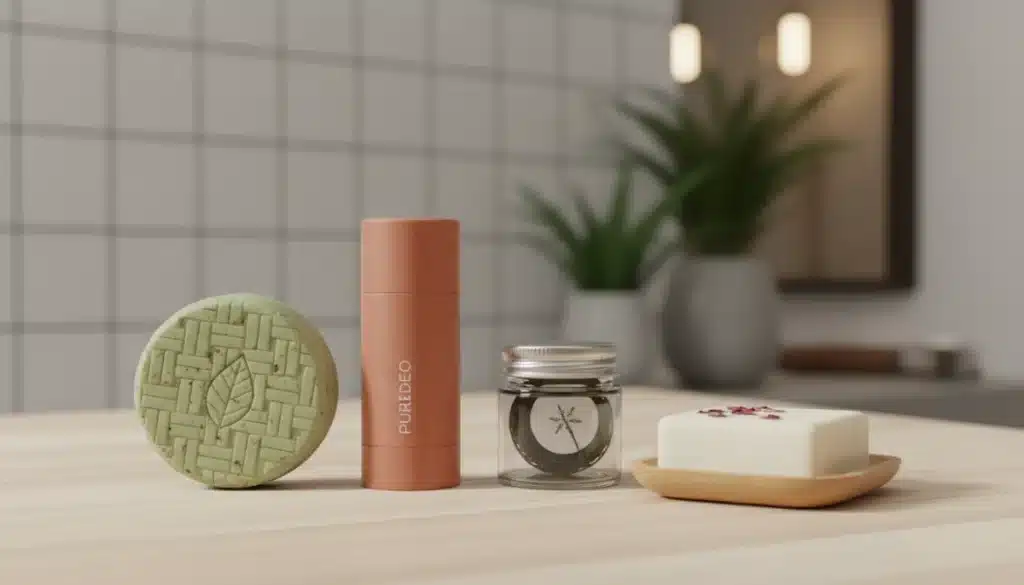
The shift toward Plastic-Free Personal Care is no longer a niche trend; it’s a full-scale American revolution. As we ditch the clunky bottles of the past, innovative brands are proving that high-performance grooming doesn’t have to cost the Earth.
These recent breakthroughs replace synthetic waste with compostable elegance and concentrated formulas. By embracing zero-waste essentials and circular packaging, the industry is finally aligning luxury with a deep respect for our natural ecosystems.
We’ve curated four standout arrivals from the last quarter that redefine sustainable hygiene. From waterless innovations to plastic-negative designs, these US-born pioneers are setting a new gold standard for your daily eco-conscious ritual.
The Growing Momentum of Plastic-Free Personal Care in the US
The demand for sustainable alternatives in personal care products has reached an unprecedented level across the United States. Consumers are increasingly aware of plastic pollution and its environmental consequences, leading to a significant shift in purchasing habits.
This heightened awareness is driving brands, both established and emerging, to innovate and offer genuinely plastic-free solutions. The market is responding with a diverse range of products designed to minimize ecological footprints without compromising efficacy.
As a result, the last three months have seen a noticeable acceleration in new product launches designed to meet this escalating demand. These innovations are not just niche offerings but are starting to gain mainstream traction.
Defining Plastic-Free: What Constitutes a True Breakthrough?
For a product to be considered a true breakthrough in the plastic-free personal care space, it must go beyond superficial changes. It involves comprehensive redesigns of packaging, formulations, and supply chains to eliminate plastic entirely or significantly reduce its presence.
These breakthroughs often incorporate innovative materials such as compostable paper, refillable glass, or aluminum, alongside concentrated formulas that reduce the need for bulky containers. The focus is on functionality combined with genuine environmental responsibility.
Evaluating these products requires a critical eye, distinguishing between genuine innovation and mere greenwashing. Our analysis prioritizes products that offer tangible environmental benefits and a commitment to long-term sustainability.
Product Spotlight: HiBAR’s Solid Shampoo & Conditioner Bars
HiBAR has revolutionized the hair care market with a line of solid shampoo and conditioner bars designed specifically to eliminate plastic without compromising salon-quality results. These bars come in FSC-certified, compostable paper packaging, successfully removing the need for traditional plastic bottles from the bathroom.
The waterless formulation is highly concentrated; a single HiBAR can last as long as two to three standard liquid bottles. This density significantly reduces shipping weight and waste, perfectly aligning with the core principles of Plastic-Free Personal Care.
Initial consumer feedback highlights HiBAR’s excellent lathering properties and moisturizing effects, which rival high-end liquid counterparts. This proves that environmental responsibility can coexist with professional-grade product performance.
Innovative Packaging and Formulation
HiBAR’s unique ergonomic shape is paired with packaging made from recycled and recyclable paperboard. This design ensures that every element, from the bar’s biodegradable ingredients to its outer wrapping, leaves no trace behind.
By removing water from the equation, the concentrated formula requires fewer preservatives and stabilizing chemicals. This lead to a smaller carbon footprint throughout the product’s lifecycle, setting a high standard for the “waterless beauty” movement.
Consumer Adoption and Market Impact
Strong sales in major retailers like Whole Foods and REI indicate massive adoption among demographics seeking high-performance, zero-waste alternatives.
-
Reduced Waste: Replaces multiple plastic bottles per year.
-
Travel-Friendly: TSA-compliant and spill-proof.
-
Cost-Effective: Lasts longer than traditional liquid hair care.
Product Spotlight: Bite’s Refillable Deodorant System
Bite (The Sustainable Toothpaste Tablet Co.) introduced a groundbreaking refillable deodorant system that targets the persistent issue of plastic waste in the antiperspirant industry. The system features a sleek, durable aluminum casing designed for a lifetime of use.
Users purchase small, plastic-free refills wrapped in compostable paper that easily slide into the permanent case. This drastically reduces single-use plastic entering landfills, representing a significant victory for Plastic-Free Personal Care.
Bite’s formulas are vegan, aluminum-free, and paraben-free, appealing to health-conscious consumers. By focusing on both circular design and clean ingredients, Bite has positioned itself as a market leader in sustainable hygiene.
Sustainable Design and Material Choices
The refillable housing is crafted from chrome-plated aluminum, which is infinitely recyclable and aesthetically superior to plastic. The refill pods are certified compostable, breaking down in home compost settings after use.
This closed-loop system promotes a circular economy where materials remain in use rather than being discarded. These innovations are crucial for advancing the future of sustainable beauty.
Addressing Common Consumer Concerns
Bite has received high marks for its odor-fighting capabilities, utilizing ingredients like baking soda and zinc ricinoleate. The brand’s subscription model ensures convenience, making the transition from traditional sticks seamless for the average user.
Product Spotlight: Dental Lace’s Refillable Floss
Dental Lace launched a dental hygiene solution that addresses a frequently overlooked source of microplastics. Their floss is made from 100% biodegradable silk or plant-based polylactic acid (PLA) and comes housed in a stylish, refillable glass jar with a stainless steel lid.
Once the spool is exhausted, consumers simply purchase compostable refill packs that fit into the original container. This approach to a daily essential minimizes environmental impact without sacrificing oral health.
The product features a refreshing mint flavor from natural essential oils, elevating the user experience beyond the standard plastic-bound options found in drugstores.
Beyond Traditional Plastic Floss
Standard dental floss is typically made of nylon (a plastic) and housed in non-recyclable dispensers. Dental Lace offers a viable, plastic-free alternative that is fully compostable.
The use of silk ensures the floss breaks down naturally, while the glass jar is durable and endlessly reusable. This comprehensive design is a hallmark of the Plastic-Free Personal Care movement.
-
Biodegradable Materials: Silk or plant-based fibers.
-
Reusable Packaging: Elegant glass and metal containers.
-
Eco-Conscious: Prevents thousands of miles of plastic floss from entering oceans.
Product Spotlight: Kate McLeod’s Solid Body Stone
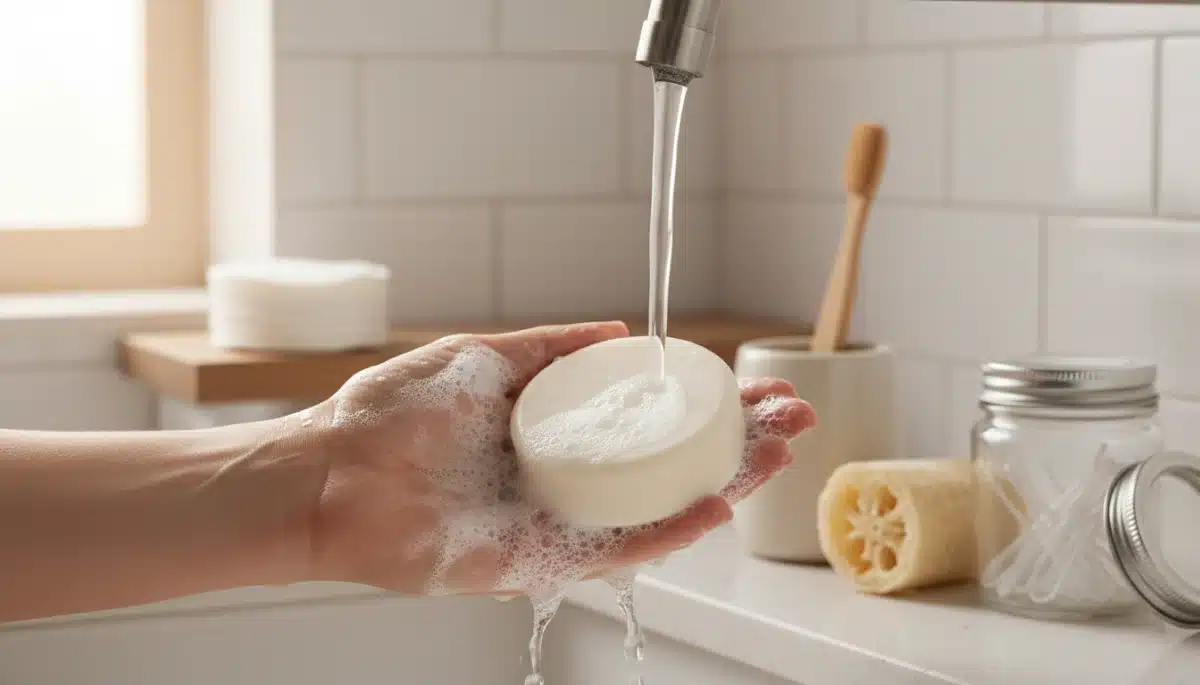
Kate McLeod introduced the “Body Stone,” a collection of solid lotion bars that replace bottled moisturizers with minimalist, plastic-free elegance. These concentrated stones melt upon contact with skin, providing deep hydration without the need for plastic pumps or water-heavy formulas.
Every Body Stone is wrapped in linen and housed in a reusable bamboo canister or a recyclable aluminum tin. This format is perfect for those seeking an eco-friendly and mess-free moisturizing solution.
The ingredients are 100% plant-based, featuring a core of cocoa butter and essential oils. This transparency appeals to the “clean beauty” demographic and reinforces the trends seen in Plastic-Free Personal Care.
Revolutionizing Moisturizer Packaging
Traditional lotions are nearly 80% water and almost always sold in plastic. The Body Stone represents a radical departure, offering a waterless, solid-state product that is both luxurious and sustainable.
Aluminum and bamboo are highly sustainable choices for personal care. The compact nature of the stones also makes them ideal for travel, reducing both luggage bulk and global plastic reliance.
Consumer Benefits and Environmental Advantages
The solid format allows for a mindful, ritualistic application that consumers love. Beyond the sensory experience, the reduction in water content lowers transportation emissions significantly. This holistic approach to sustainability defines the next generation of innovative personal care.
Market Trends and Consumer Behavior Driving Innovation
The surge in Plastic-Free Personal Care is a direct reflection of a massive shift in American consumer values.
Recent data shows that a significant majority of US shoppers now prioritize environmental impact as much as price, actively rewarding brands that eliminate synthetic waste from their supply chains.
Digital platforms and grassroots educational campaigns have pulled back the curtain on the true cost of traditional packaging.
This awareness has empowered a new generation of “conscious consumers” to demand accountability, forcing legacy brands to pivot while allowing agile pioneers to capture significant market share.
The commercial success of HiBAR, Bite, Dental Lace, and Kate McLeod indicates a permanent shift in preference. This move toward circular consumption, where packaging is either reused or returned to the earth—is no longer a trend but the new industry standard for the coming decade.
The Role of Transparency and Certifications
Modern consumers look beyond “plastic-free” labels, seeking radical transparency regarding ethical sourcing and manufacturing.
Verified credentials, such as B Corp Certification, Leaping Bunny, and Plastic Negative stamps, have become the gold standard for establishing brand authority.
Brands that provide verifiable data on their carbon footprint and supply chain integrity foster deep consumer loyalty.
In an era of “greenwashing,” this commitment to honesty is what separates true leaders from those merely following a trend, ensuring the long-term health of the sustainable beauty movement.
Challenges and Opportunities for Growth
While the sector is expanding rapidly, hurdles such as scaling production for compostable materials and re-educating the public on waterless product application remain. However, these obstacles are driving a new wave of investment in materials science and bio-based manufacturing.
The ongoing evolution of Plastic-Free Personal Care highlights a dynamic market ripe for disruption. As infrastructure for industrial composting and circular refills improves across the US, the opportunity for innovation in the zero-waste space remains virtually limitless.
The Future Landscape of Plastic-Free Personal Care
Looking ahead, the plastic-free personal care market is poised for continued exponential growth and diversification. We can anticipate even more sophisticated packaging solutions and innovative product formats emerging in the near future.
The focus will likely shift towards broader accessibility and affordability, making plastic-free options viable for a wider demographic. This mainstream adoption is critical for achieving a significant environmental impact.
Collaboration between brands, researchers, and policymakers will be essential to overcome existing barriers and accelerate the transition to a truly plastic-free future. The trajectory set by The Latest in Plastic-Free Personal Care is promising.
Technological Advancements in Sustainable Materials
Ongoing research into biodegradable polymers, mycelium-based packaging, and advanced recycling technologies will unlock new possibilities for personal care products. These advancements will offer even more robust and versatile plastic-free solutions.
The development of water-soluble packaging and dissolvable product forms will further reduce environmental impact. These innovations represent the cutting edge of sustainable design and manufacturing.
Policy and Regulatory Influence
Government policies and regulations, such as bans on single-use plastics or incentives for sustainable packaging, will play an increasingly important role. These measures can accelerate the shift away from plastic by creating a more favorable environment for plastic-free alternatives.
Consumer demand combined with supportive regulatory frameworks will create a powerful impetus for change. This synergy is crucial for the long-term success of plastic-free personal care initiatives.
| Key Innovation | Brief Description |
|---|---|
| Solid Shampoo Bars | Concentrated formula in compostable paper packaging, eliminating plastic bottles. |
| Refillable Deodorant | Durable aluminum casing with compostable refill pods, reducing single-use plastic. |
| Plastic-Free Dental Floss | Biodegradable floss in a reusable glass jar with compostable refills. |
| Solid Lotion Bars | Concentrated moisturizer in recyclable aluminum tins, replacing plastic bottles. |
Frequently Asked Questions About Plastic-Free Personal Care
“Plastic-free” refers to products and packaging that contain no conventional plastics, including virgin and recycled plastic. This often involves using alternative materials like glass, aluminum, paper, or compostable plant-based derivatives. The goal is to eliminate plastic waste from production to disposal.
Yes, many plastic-free personal care products are formulated to be just as, if not more, effective than their traditional counterparts. Innovations in solid formulations and natural ingredients ensure high performance. Consumer reviews and independent testing consistently show positive results for these sustainable alternatives.
These breakthrough products are increasingly available at major retailers, specialty eco-stores, and directly from brand websites. Online marketplaces dedicated to sustainable living also stock a wide range of options. Checking brand websites for store locators or online purchasing is often the best approach.
Switching to plastic-free personal care significantly reduces your environmental footprint by cutting down on plastic waste and pollution. Many products also use natural, healthier ingredients. Additionally, concentrated formulas often last longer, offering both environmental and economic benefits over time.
While some plastic-free products may have a higher upfront cost, many offer long-term savings due to their concentrated nature and durability. For example, a solid shampoo bar can last as long as multiple liquid bottles. Refillable systems also reduce ongoing expenses, making them cost-effective in the long run.
Looking Ahead: The Evolution of Sustainable Personal Care
The innovations highlighted in The Latest in Plastic-Free Personal Care signal a powerful trajectory for the industry. As consumer awareness grows and technological advancements continue, the market for plastic-free solutions will only expand.
Expect to see more diverse product categories, enhanced material science, and broader accessibility in the coming months and years.
This shift is not merely a trend but a fundamental change in how personal care products are conceived, produced, and consumed, driven by a collective desire for a more sustainable future.