Circular Economy: Boosting E-Waste Recycling in the U.S.
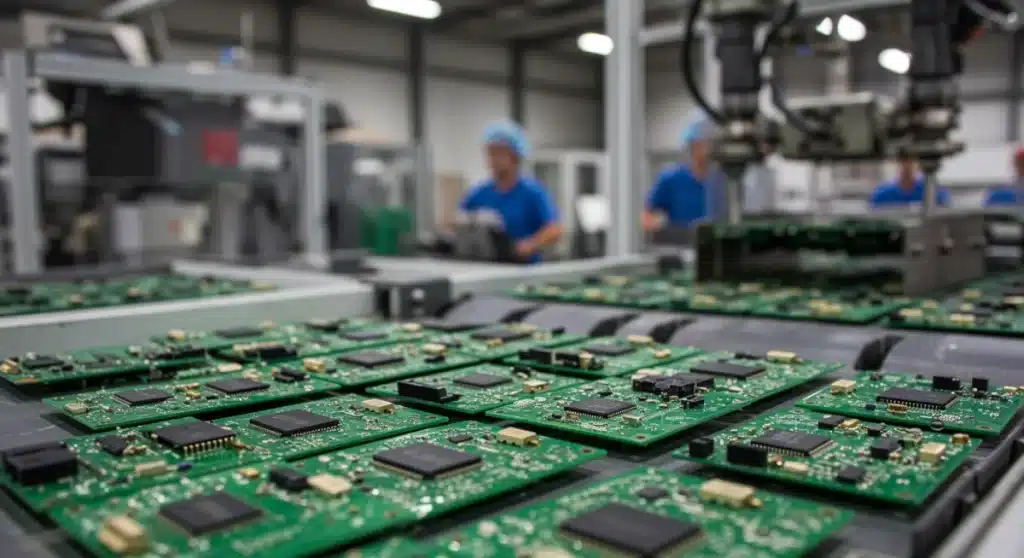
Our gadgets shouldn’t have an expiration date for the planet. By integrating a robust Circular Economy, the U.S. is turning the tide on discarded tech, aiming to recover 15% more electronic materials by mid-2026.
This shift moves us away from the old “take-make-waste” model toward a regenerative system. Advanced reclamation technologies are now transforming obsolete devices into high-value secondary resources rather than letting them languish in landfills.
By closing the loop on production, we aren’t just managing scrap; we are securing a sustainable supply chain. This leap in resource efficiency proves that today’s “trash” is the essential feedstock for tomorrow’s innovation.
The growing challenge of electronic waste
Electronic waste, or e-waste, represents one of the fastest-growing waste streams globally.
From discarded smartphones to obsolete refrigerators, these items contain valuable materials that can be recovered, but also hazardous substances that pose environmental and health risks if not properly managed.
The sheer volume of e-waste generated each year is staggering. As technology advances and consumer appetites for new gadgets increase, the lifecycle of electronic devices shortens, leading to a constant influx of discarded electronics.
This rapid turnover creates a monumental challenge for waste management systems nationwide.
Understanding the scope of e-waste
- Volume: Millions of tons of e-waste are generated annually in the U.S. alone.
- Hazardous Materials: E-waste often contains lead, mercury, cadmium, and other toxic elements.
- Valuable Resources: Gold, silver, copper, and rare earth elements are present in significant quantities.
The environmental impact of improperly disposed e-waste is profound. Toxic chemicals can leach into soil and groundwater, contaminating ecosystems and posing long-term threats to human health.
Therefore, developing robust and efficient recycling infrastructure is not merely an environmental imperative, but also an economic opportunity.
Addressing the e-waste crisis requires a multi-faceted approach, combining public awareness campaigns, regulatory frameworks, and, crucially, innovative technological solutions. The ambition to significantly increase processing capacity underscores the urgency and potential for progress in this area.
Innovations driving increased recycling capacity
The commitment to process 15% more e-waste by mid-2026 is fueled by a wave of innovative technologies transforming the recycling landscape.
These advancements are making the recovery of valuable materials more efficient, cost-effective, and environmentally sound, pushing beyond traditional methods.
These new technologies range from advanced mechanical separation techniques to sophisticated hydrometallurgical and pyrometallurgical processes.
Each innovation plays a crucial role in enhancing the overall efficiency and effectiveness of e-waste recycling operations across the United States.
Automated sorting systems
Automated sorting systems utilize artificial intelligence and robotics to rapidly identify and separate different types of electronic components.
This precision significantly reduces manual labor and increases the purity of sorted materials, which is crucial for subsequent processing steps.
Modern facilities are leveraging AI-powered recognition to identify materials through advanced visual and spectral algorithms.
These systems guide high-speed robotic arms to precisely sort components, a process that significantly minimizes contamination compared to manual efforts. Ultimately, this automation drives increased throughput, allowing the U.S. to process much larger volumes of e-waste at record speeds.
These systems are particularly effective at handling mixed streams of e-waste, extracting high-value components that might otherwise be overlooked. The ability to accurately sort materials at an early stage greatly improves the yield of precious metals and other reusable elements.
Advanced material recovery techniques
Beyond initial sorting, new methods for material recovery are making significant strides. Hydrometallurgy, for instance, uses aqueous solutions to extract metals from shredded e-waste, offering a more environmentally friendly alternative to traditional smelting, which can produce harmful emissions.
Pyrometallurgy, while still involving high temperatures, is being refined with cleaner technologies and better emission controls to recover metals more efficiently.
Furthermore, bio-leaching, a technique that uses microorganisms to extract metals, is emerging as a promising, low-impact option for future large-scale operations.
These diverse technological innovations collectively contribute to a more robust and sustainable e-waste recycling infrastructure. By improving both the quantity and quality of recovered materials, they are essential for realizing the ambitious recycling targets set for the coming years.
The circular economy framework and its benefits
The circular economy is a systemic approach to economic development designed to benefit businesses, society, and the environment.
It stands in stark contrast to the traditional linear ‘take-make-dispose’ model, promoting resource efficiency and waste reduction at every stage.
In the context of e-waste, the circular economy means designing products for durability, repairability, and recyclability, keeping materials in use for as long as possible. This paradigm shift offers numerous advantages, from environmental protection to economic growth.
Economic advantages of circularity
Embracing circular principles in e-waste management creates new economic opportunities. Recycling operations generate jobs, foster innovation in green technologies, and reduce reliance on virgin raw materials, which can be subject to volatile global markets.
- Job Creation: Recycling facilities, research and development, and logistics create new employment.
- Resource Security: Reduced dependence on imported raw materials enhances national security.
- Market Innovation: Stimulates development of new products and services for repair and reuse.
Furthermore, the recovery of valuable metals from e-waste can be a significant revenue stream for recycling companies. This economic incentive drives investment in advanced technologies and infrastructure, making the circular economy a self-sustaining model.
The environmental benefits are equally compelling. By extending the life of products and recycling components, we conserve natural resources, reduce energy consumption associated with manufacturing new products, and significantly decrease pollution from mining and waste disposal.
This holistic approach is fundamental to achieving long-term sustainability goals.
Policy and infrastructure supporting U.S. targets
Achieving a 15% increase in e-waste processing requires more than just technological innovation; it demands robust policy frameworks and significant infrastructure development. Across the U.S., states and federal agencies are implementing strategies to support these ambitious goals.
These initiatives include extended producer responsibility (EPR) laws, which hold manufacturers accountable for the end-of-life management of their products, and federal grants aimed at bolstering recycling infrastructure.
Such policies create a stable environment for investment and growth in the recycling sector.
Key policy drivers
EPR laws are particularly effective, as they incentivize manufacturers to design products that are easier to recycle and contain fewer hazardous materials. This shifts the burden of waste management from municipalities to the producers, encouraging sustainable product design.
To strengthen the framework of resource recovery, Extended Producer Responsibility (EPR) mandates that manufacturers manage the entire lifecycle of their products, including their eventual end-of-life.
This responsibility is supported by localized collection programs and state initiatives that make it easier for consumers to drop off old electronics.
To maintain integrity throughout this process, certification standards like R2 and e-Stewards serve as the gold standard, ensuring that every recovered component is handled through ethically and environmentally responsible recycling practices.
In addition to policy, significant investment in physical infrastructure is critical.
This includes building new recycling facilities, upgrading existing ones with advanced technologies, and establishing efficient collection networks that make it easier for consumers and businesses to recycle their electronic devices.
Public-private partnerships are also playing a vital role, combining government funding with private sector expertise and innovation.
These collaborations are essential for scaling up operations and ensuring that recycling efforts are both effective and economically viable, laying the groundwork for sustained growth in e-waste processing.
Environmental impact and sustainability gains
The push to increase e-waste recycling by 15% across the U.S. by mid-2026 is driven by a profound understanding of its environmental implications.
Beyond merely diverting waste from landfills, effective e-waste recycling offers substantial sustainability gains, contributing to a healthier planet.
By recovering valuable materials, we reduce the need for virgin resource extraction, which is often energy-intensive and environmentally damaging. This directly translates into lower greenhouse gas emissions, decreased water usage, and minimized habitat destruction associated with mining.
Reducing carbon footprint
The manufacturing of new electronic devices from raw materials has a considerable carbon footprint.
Recycling materials such as copper, aluminum, and precious metals requires significantly less energy than producing them from scratch, leading to substantial reductions in greenhouse gas emissions.
For example, recycling aluminum saves 95% of the energy needed to produce new aluminum from bauxite ore. Similar energy savings apply to other metals commonly found in e-waste, making recycling a powerful tool in combating climate change and promoting a low-carbon economy.
Preventing pollution and resource depletion
- Toxic Leakage Prevention: Proper recycling prevents hazardous chemicals from contaminating soil and water.
- Resource Conservation: Reusing materials reduces the demand for finite natural resources.
- Energy Savings: Significantly less energy is consumed in recycling compared to primary production.
Furthermore, preventing toxic substances like lead and mercury from entering landfills protects both human health and delicate ecosystems.
These substances can leach into the environment, affecting wildlife and potentially entering the food chain, highlighting the critical importance of responsible e-waste management.
The collective impact of these efforts creates a virtuous cycle: more recycling leads to fewer environmental burdens, which in turn supports a more sustainable and resilient society. This target represents a tangible step towards a future where resources are valued and utilized efficiently.
Challenges and future outlook for e-waste recycling
While the goal of processing 15% more e-waste by mid-2026 is ambitious and achievable, the path forward is not without its challenges. These include technological limitations, economic viability concerns, and the ever-present issue of consumer behavior.
However, the outlook remains largely positive, driven by continuous innovation, increasing public awareness, and supportive policy environments. Addressing these hurdles will be crucial for sustained progress in the years to come.
Overcoming current obstacles
One primary challenge is the complexity of modern electronics. Devices are becoming smaller, more integrated, and often use proprietary designs that make disassembly and material recovery difficult.
This necessitates ongoing research and development into more advanced and adaptable recycling technologies.
Another significant hurdle is the economic viability of recycling certain components, especially low-value plastics or mixed materials. Ensuring that recycling remains profitable enough to attract investment is essential for the long-term sustainability of the industry.
Consumer engagement and product design
- Awareness Campaigns: Educating the public on the importance and methods of e-waste recycling.
- Convenient Collection Points: Making it easier for consumers to properly dispose of e-waste.
- Design for Recyclability: Encouraging manufacturers to create products that are easier to disassemble and recycle.
Looking ahead, the future of e-waste recycling in the U.S. appears promising.
Continued investment in R&D, coupled with stronger regulatory support and increased consumer participation, will likely lead to even greater processing capacities and more efficient material recovery.
The lessons learned from achieving the 2026 target will undoubtedly inform future sustainability efforts, propelling the nation further into a truly circular economy.
| Key Aspect | Brief Description |
|---|---|
| E-Waste Challenge | Rapidly growing waste stream with valuable materials and hazardous components. |
| New Technologies | AI-powered sorting, advanced hydrometallurgy, and bio-leaching enhance recovery. |
| Circular Economy | Reduces waste, conserves resources, creates jobs, and fosters innovation. |
| U.S. Target | Process 15% more e-waste by mid-2026, supported by policy and infrastructure. |
Frequently asked questions about e-waste recycling
E-waste refers to discarded electronic devices like phones, computers, and appliances. It’s a problem due to its rapid growth, the presence of toxic materials that can harm the environment, and the loss of valuable recoverable resources if not properly recycled.
New technologies, such as AI-powered sorting and advanced material recovery methods like hydrometallurgy, boost efficiency and precision. They enable better separation of materials, leading to higher recovery rates of valuable metals and safer processing of hazardous components.
The circular economy aims to keep resources in use for as long as possible. For e-waste, this means designing products for longevity, repair, and easy recycling, reducing waste, and extracting maximum value from materials, minimizing environmental impact.
The U.S. aims to process 15% more e-waste across the nation by mid-2026. This target is supported by policy measures like Extended Producer Responsibility (EPR) and investments in advanced recycling infrastructure to enhance capacity and efficiency.
Individuals can contribute by properly disposing of their electronic devices at certified recycling centers or designated collection points. Supporting brands committed to sustainable product design and advocating for stronger recycling policies also makes a significant difference.
Conclusion
The ambitious target of processing 15% more e-waste across the U.S. by mid-2026 underscores a critical shift towards a more sustainable and circular economy.
Driven by innovative recycling technologies, supportive policies, and increasing public awareness, this initiative promises significant environmental and economic benefits.
While challenges remain, the collective commitment to responsible e-waste management positions the nation for a cleaner, more resource-efficient future, transforming waste into a valuable asset and protecting our planet for generations to come.