Cut Costs 15% with Plastic-Free Supply Chains (2026 Guide)
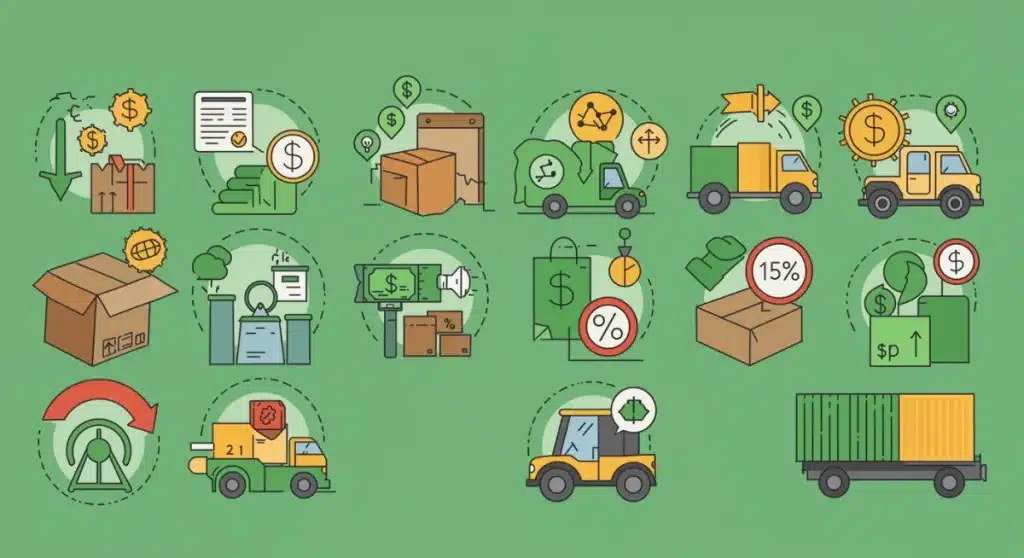
Trimming the fat from your budget doesn’t have to cost the Earth; in fact, transitioning to Plastic-Free Supply Chains is now a proven strategy to slash operational expenses by 15% this year.
By ditching synthetic packaging for biodegradable alternatives and streamlined logistics, small businesses are finding that sustainable procurement is no longer a luxury, it’s a massive financial advantage.
As eco-conscious regulations tighten across the United States, staying ahead of these circular economy trends is the smartest way to protect your margins while future-proofing your brand.
The Imperative for Plastic-Free Supply Chains in 2026
The global push for sustainability is rapidly transforming business operations, particularly within supply chains. Small businesses are now facing increasing pressure from consumers, regulators, and investors to adopt more eco-friendly practices.
Transitioning to plastic-free supply chains by 2026 is no longer just an environmental aspiration; it has become a critical strategic move for financial resilience. Early adopters are reporting significant operational efficiencies and reduced expenditure.
This comprehensive guide delves into the practical steps and tangible financial benefits, aiming to equip small businesses with the knowledge to achieve a remarkable 15% cost reduction. Understanding this shift is vital for future competitiveness.
Understanding the Current Landscape and Future Projections
The current reliance on plastic in supply chains incurs hidden costs beyond material acquisition, including disposal fees, potential regulatory fines, and negative brand perception. These factors are increasingly impacting the bottom line of small businesses.
Projections for 2026 indicate a tightening of environmental regulations and a heightened consumer preference for sustainable products. Businesses failing to adapt risk losing market share and facing increased operational burdens.
Adopting plastic-free supply chains proactively allows small businesses to mitigate these risks while simultaneously unlocking new avenues for cost savings and enhanced brand loyalty. The shift is an investment in future stability.
The True Cost of Plastic
- Disposal fees and waste management expenses are escalating annually.
- Reputational damage from perceived environmental irresponsibility can lead to customer churn.
- Potential future taxes or levies on plastic usage are looming on the horizon.
Many small businesses underestimate the full financial impact of their plastic usage, focusing primarily on acquisition costs. However, the lifecycle cost of plastic often far exceeds its initial purchase price, affecting profitability.
Step-by-Step Guide: Evaluating Your Current Supply Chain
The first crucial step in implementing plastic-free supply chains is a thorough audit of existing processes. This involves meticulously mapping out every stage where plastic is currently utilized, from raw material sourcing to final product delivery.
Identify all plastic components in packaging, protective materials, and internal logistics. Quantify the volume and type of plastic used, as well as the associated costs, including purchasing, storage, and disposal.
Engage with your current suppliers to understand their plastic usage and their willingness to explore sustainable alternatives. This initial evaluation forms the baseline for measuring progress and identifying key areas for intervention.
Conducting a Comprehensive Plastic Audit
- Map all plastic touchpoints: packaging, shipping, internal handling.
- Quantify plastic volume and type: identify single-use plastics and hard-to-recycle materials.
- Calculate direct and indirect costs: purchase price, disposal fees, storage, potential fines.
This detailed audit provides a clear picture of your current plastic footprint and highlights the most impactful areas for change. Without this baseline, measuring the success of your transition to plastic-free supply chains becomes challenging.
Sourcing Sustainable Alternatives and Negotiating with Suppliers
Once plastic usage is identified, the next step involves actively sourcing viable plastic-free alternatives. This requires research into innovative materials such as compostable packaging, recycled cardboard, and plant-based bioplastics.
Engage in proactive discussions with your existing suppliers, presenting your commitment to plastic-free supply chains and exploring their readiness to adapt. Many suppliers are already developing sustainable options due to market demand.
Do not hesitate to explore new supplier relationships if current partners are unwilling or unable to meet your plastic-free objectives. Negotiate favorable terms, emphasizing the long-term benefits of a sustainable partnership.
Key Considerations for Material Selection
- Functionality: ensure alternatives meet product protection and handling requirements.
- Cost-effectiveness: compare pricing with traditional plastics, factoring in lifecycle costs.
- Certifications: verify eco-labels and sustainability certifications of new materials.
The market for sustainable packaging is rapidly evolving, offering a growing array of cost-effective and high-performance options. Strategic material selection is paramount for successful plastic-free supply chains implementation.
Optimizing Logistics and Reducing Waste
Beyond packaging, optimizing logistics plays a significant role in achieving truly plastic-free supply chains and realizing cost savings. This involves evaluating transportation methods, warehousing, and inventory management to minimize waste.
Consider consolidating shipments, optimizing routes to reduce fuel consumption, and utilizing reusable containers for internal transfers. Partner with logistics providers who prioritize sustainability and offer green solutions.
Implement lean inventory practices to reduce excess stock and the need for protective packaging. Every reduction in waste directly translates to cost savings and a smaller environmental footprint.
Strategies for Leaner Logistics
- Route optimization and backhauling to minimize empty miles.
- Adoption of reusable transport packaging and pallets.
- Just-in-time inventory systems to reduce storage and waste.
A holistic approach to logistics optimization not only supports plastic-free supply chains but also enhances overall operational efficiency. These adjustments contribute directly to the 15% cost reduction target.
Measuring Impact and Communicating Success
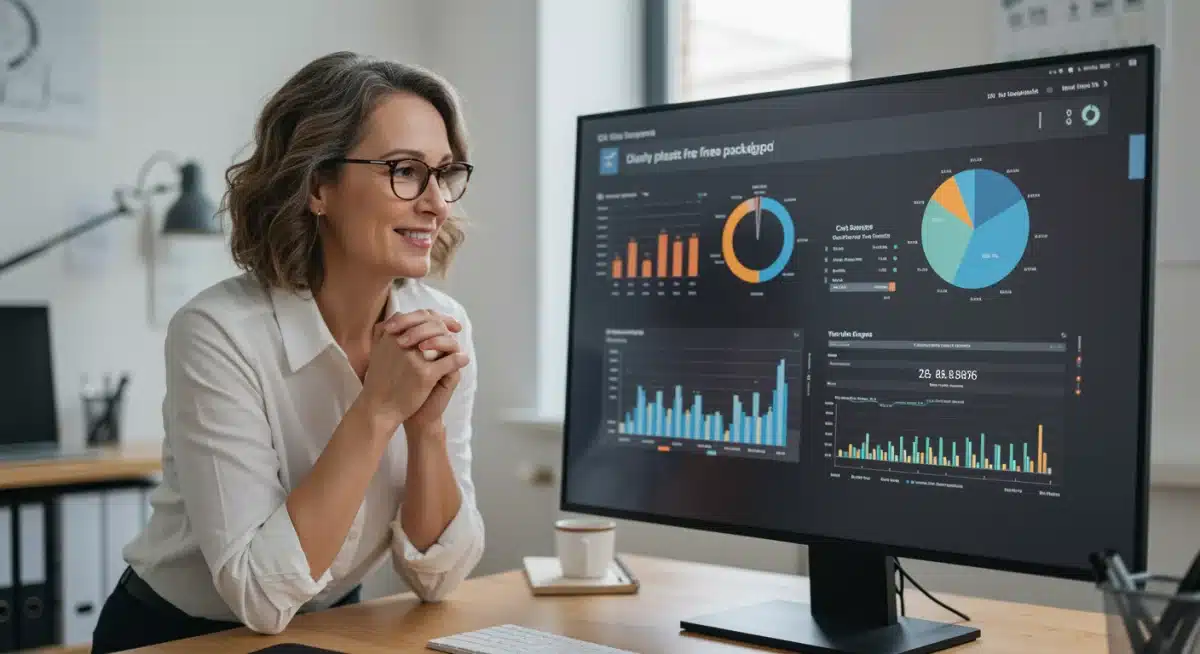
Establishing clear metrics to track your progress is essential for demonstrating the financial and environmental benefits of plastic-free supply chains. Monitor changes in material costs, waste disposal fees, and energy consumption.
Quantify the reduction in plastic usage and carbon emissions. This data is invaluable for internal reporting and for communicating your sustainability achievements to customers and stakeholders.
Transparently sharing your journey towards sustainability can significantly enhance your brand image and attract environmentally conscious consumers. This positive public perception can lead to increased sales and market share.
Key Performance Indicators (KPIs) for Sustainability
- Percentage reduction in plastic waste by weight and volume.
- Cost savings achieved from sustainable packaging and logistics.
- Customer engagement and feedback on plastic-free initiatives.
Measuring and communicating success is vital for reinforcing your commitment to plastic-free supply chains. This transparency builds trust and provides a competitive edge in an increasingly eco-aware market.
Overcoming Challenges and Ensuring Long-Term Viability
Transitioning to plastic-free supply chains is not without its challenges, including initial investment costs and the need for staff training. However, strategic planning and phased implementation can mitigate these hurdles.
Start with small, manageable changes and gradually expand your plastic-free initiatives. Continuous monitoring and adaptation are crucial for long-term success and to ensure viability.
Stay informed about emerging sustainable technologies and materials. Building a network with other businesses pursuing similar goals can provide valuable insights and support in your journey towards fully plastic-free supply chains.
Addressing Common Obstacles
- Initial higher costs of some sustainable materials can be offset by long-term savings.
- Supplier resistance can be overcome through clear communication and collaborative efforts.
- Employee training is essential for successful adoption of new processes and materials.
Proactive problem-solving and a commitment to continuous improvement are key to navigating the complexities of implementing plastic-free supply chains successfully. The benefits far outweigh the initial challenges.
Financial Impact: Achieving 15% Cost Reduction by 2026
The target of a 15% cost reduction by 2026 through plastic-free supply chains is ambitious but achievable. This saving stems from multiple areas, including reduced material costs, lower waste disposal fees, and improved operational efficiency.
By optimizing packaging, consolidating shipments, and leveraging sustainable supplier relationships, small businesses can significantly cut expenditures. Furthermore, the enhanced brand reputation can lead to increased sales and customer loyalty.
Investing in sustainable practices now positions businesses favorably for future regulatory changes and consumer demands, ensuring long-term financial health. The financial returns extend beyond simple cost cutting.
Breakdown of Potential Savings
- Reduced Material Costs: Switching to more affordable, eco-friendly alternatives.
- Lower Disposal Fees: Less plastic waste directly correlates with decreased waste management expenses.
- Operational Efficiency: Streamlined logistics and reduced packaging complexity save time and resources.
- Enhanced Brand Value: Attracting eco-conscious consumers leads to increased revenue.
The cumulative effect of these savings and revenue gains makes plastic-free supply chains a powerful strategy for achieving substantial financial improvements across the board. The 15% target is a realistic outcome of a well-executed plan.
| Key Point | Brief Description |
|---|---|
| Cost Reduction Goal | Achieve 15% cost savings by implementing plastic-free supply chains by 2026. |
| Strategic Imperative | Sustainability is crucial for competitiveness and compliance with future regulations. |
| Implementation Steps | Audit plastic use, source alternatives, optimize logistics, and measure impact. |
| Financial Benefits | Reduced material/disposal costs, improved efficiency, enhanced brand value. |
Frequently Asked Questions About Plastic-Free Supply Chains
It means eliminating single-use and unnecessary plastics throughout your product’s journey, from raw materials to customer delivery. This includes packaging, internal handling, and shipping materials. The goal is to replace plastic with sustainable, biodegradable, or reusable alternatives, reducing environmental impact and often operational costs.
Cost reduction is achieved through several avenues. This includes lower waste disposal fees, negotiating better prices for sustainable materials, and optimizing logistics to reduce packaging and transportation costs. Enhanced brand reputation and increased customer loyalty from sustainable practices also contribute to overall financial gains.
Key challenges include identifying suitable and affordable plastic alternatives, convincing existing suppliers to adapt, and managing initial investment costs for new materials or processes. Overcoming these requires thorough research, strategic planning, and a willingness to explore new partnerships and innovative solutions within your supply chain.
While all industries can benefit, sectors heavily reliant on packaging, such as e-commerce, food and beverage, cosmetics, and retail, stand to gain significantly. These industries often have high volumes of plastic waste, making the transition to plastic-free supply chains particularly impactful for both cost savings and environmental benefits.
Governmental support varies but often includes grants for sustainable business practices, tax incentives for eco-friendly investments, and educational resources. Small businesses should research local and federal programs, as well as industry-specific initiatives, to leverage available assistance and facilitate their transition to plastic-free supply chains effectively.
Looking Ahead
The movement toward plastic-free supply chains is gaining undeniable momentum, driven by both environmental necessity and compelling financial incentives.
Small businesses that proactively adopt these changes by 2026 will not only achieve significant cost reductions but also secure a stronger, more resilient market position.
This strategic shift represents more than just a trend; it is a fundamental re-evaluation of how goods are produced, packaged, and delivered. The long-term implications extend to brand loyalty, regulatory compliance, and a healthier planet.
Monitoring ongoing developments in sustainable materials and logistics innovations will be crucial for businesses aiming to maintain their competitive edge and continue reaping the benefits of truly plastic-free supply chains.