Beyond the Ban: 3 Innovative Plastic-Free Materials for US Consumer Goods
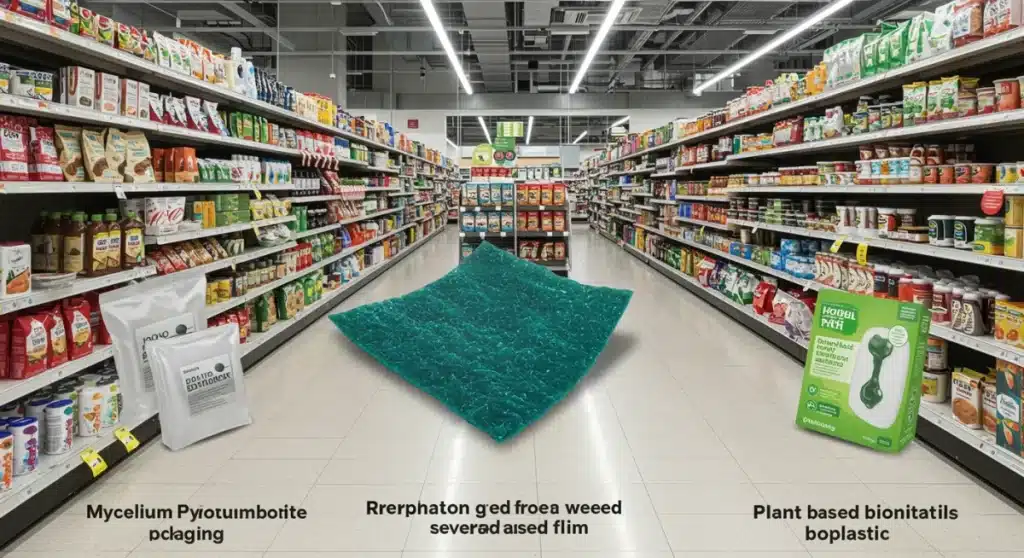
The shift toward Plastic-Free Materials is no longer a distant corporate goal; it is a rapid transformation reshaping the American market.
As June 2026 approaches, the movement beyond the ban is gaining momentum, fueled by both regulatory pressure and a massive shift in shopper expectations.
Innovative plant-based substrates and high-performance compostable alternatives are now replacing traditional synthetics in every aisle.
From advanced molded pulp to seaweed-derived barriers, these sustainable swaps are proving that eco-friendly design can rival the durability of conventional petroleum-based products.
Staying ahead of this curve requires a clear understanding of the breakthrough technologies currently scaling across the United States. Explore the leading renewable solutions that are redefining the lifecycle of consumer goods and setting new standards for a circular, waste-free economy.
The Accelerating Shift Towards Plastic-Free Solutions
The landscape of consumer goods packaging in the United States is undergoing a profound transformation.
Driven by legislative initiatives, corporate sustainability pledges, and an increasingly environmentally conscious consumer base, the demand for plastic-free material swaps has never been higher.
This paradigm shift is not merely reactive; it represents a proactive embrace of innovation aimed at mitigating environmental impact. Companies are investing heavily in research and development to identify and scale viable alternatives to conventional plastics.
The urgency stems from a collective understanding that current plastic consumption patterns are unsustainable. The move to plastic-free material swaps is critical for long-term ecological and economic health.
Mycelium Composites: A Fungi-Based Revolution
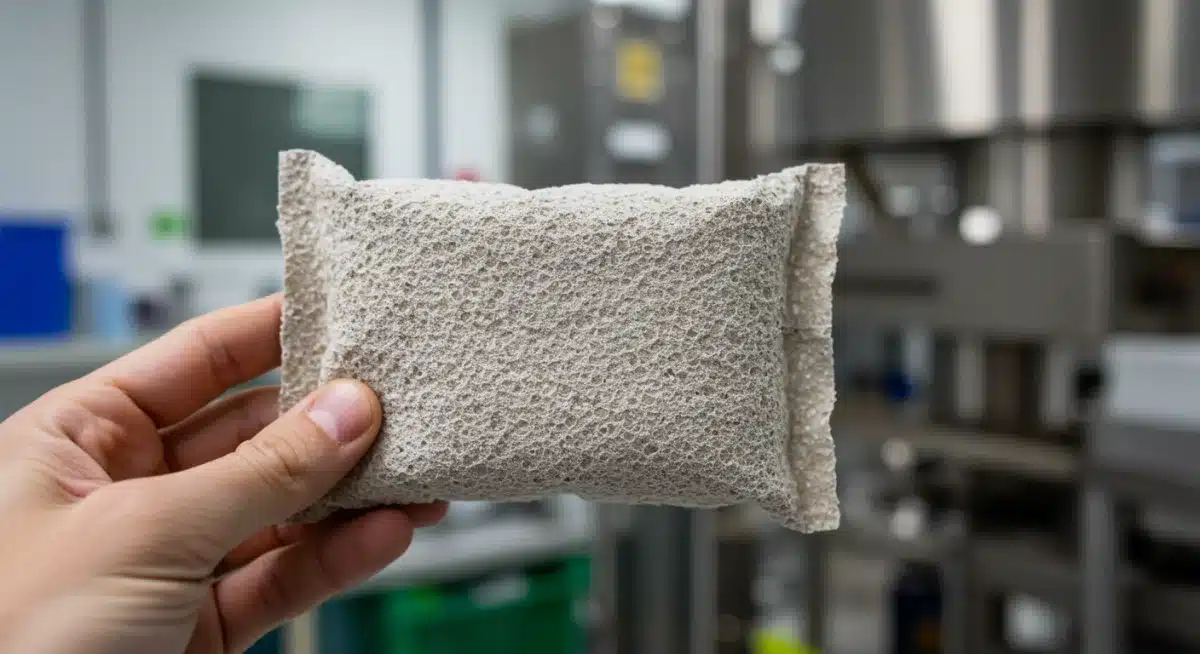
One of the most promising and truly innovative plastic-free material swaps emerging in the US market is mycelium composites. Derived from the root structure of mushrooms, these materials offer a biodegradable and compostable alternative to styrofoam and other rigid plastics.
Companies are leveraging mycelium’s natural growth properties to create custom-molded packaging solutions. This organic material provides excellent cushioning and protection, making it ideal for electronics, delicate goods, and even some food packaging applications.
The production process for mycelium composites is remarkably low-impact, requiring minimal energy and resources. This makes it a highly sustainable choice among the various plastic-free material swaps currently being explored.
Cultivating Sustainable Packaging
The cultivation of mycelium involves growing it on agricultural waste, such as corn stalks or hemp hurds. This process not only diverts waste from landfills but also creates a product that can return to the earth as compost at the end of its life cycle.
Major brands are already piloting and implementing mycelium packaging, recognizing its potential to significantly reduce their plastic footprint. This adoption signals a strong market validation for this fungal innovation.
Advantages of Mycelium in Consumer Goods
- Biodegradable: Fully breaks down into natural elements, leaving no microplastic residue.
- Lightweight: Reduces shipping costs and carbon emissions during transport.
- Customizable: Can be molded into various shapes and sizes to fit diverse product needs.
- Renewable Resource: Grown from agricultural byproducts, offering a circular economy solution.
Seaweed-Based Films: Edible and Dissolvable Packaging
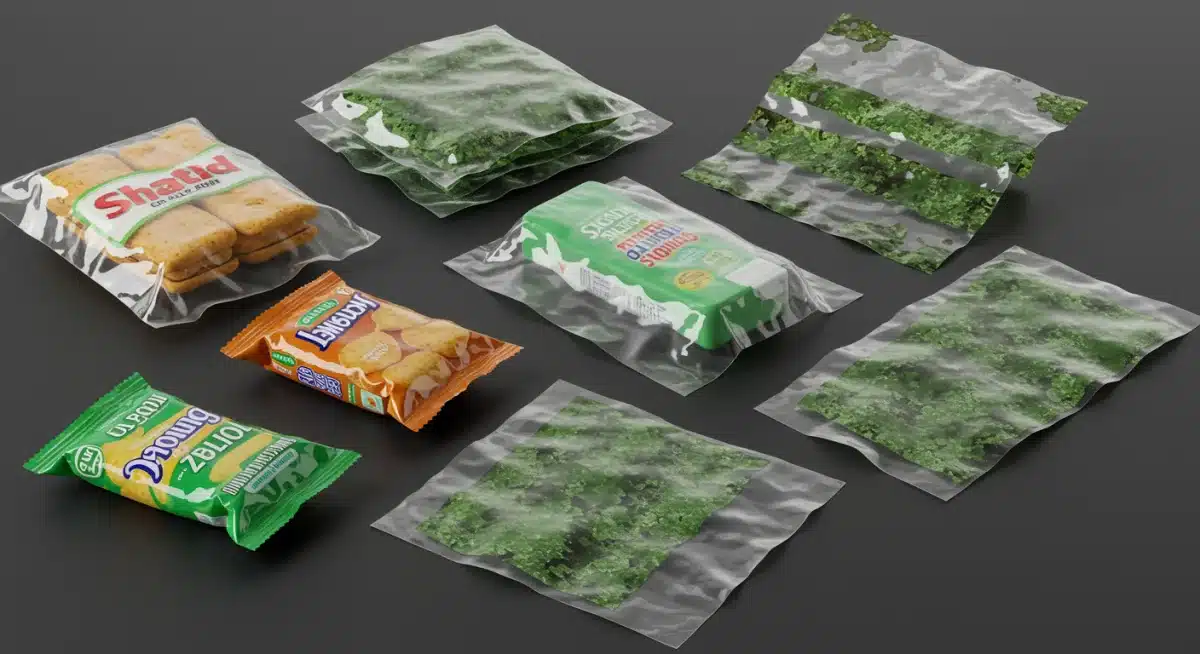
Another groundbreaking entry into the realm of plastic-free material swaps is seaweed-based films. These innovative materials offer a flexible, often edible or dissolvable, alternative to traditional plastic films and sachets, particularly for food and beverage applications.
Seaweed, a rapidly renewable marine resource, can be processed into versatile films that possess barrier properties similar to plastic. This makes it suitable for packaging single-serving condiments, beverage pods, and even dry food items.
The appeal of seaweed-based films lies in their ability to disappear harmlessly after use, either by being consumed or by dissolving in water. This addresses the persistent issue of plastic pollution in a novel and effective way, making it a key player in plastic-free material swaps.
Pioneering Sustainable Food Packaging
Startups and established food companies alike are investing in seaweed technology to replace hard-to-recycle plastic components. The focus is on creating packaging that is not only functional but also contributes positively to the environment once discarded.
The scalability of seaweed cultivation and processing is a significant factor in its potential widespread adoption. As infrastructure develops, seaweed-based films are poised to become a common sight in US consumer goods.
Benefits of Seaweed Packaging Solutions
- Rapidly Renewable: Seaweed grows quickly and requires no fresh water or land to cultivate.
- Compostable/Edible: Can be safely consumed or composted, leaving no environmental trace.
- Versatile: Applicable for a wide range of products, from liquids to solids.
- Ocean-Friendly: Reduces plastic waste that often ends up polluting marine ecosystems.
Plant-Based Bioplastics: The Next Generation of Biodegradable Polymers
Plant-based bioplastics represent a diverse category of plastic-free material swaps that are continuously evolving. Unlike traditional plastics derived from fossil fuels, these materials are made from renewable biomass sources such as corn starch, sugarcane, or cellulose.
While some early bioplastics faced challenges with biodegradability, the latest advancements focus on creating truly compostable and industrially biodegradable polymers.
These new formulations are designed to break down effectively in specific conditions, reducing their environmental impact.
The goal is to develop bioplastics that offer the functionality and durability of conventional plastics without the long-term environmental consequences. This category is crucial for achieving widespread plastic-free material swaps by June 2026.
Advancements in Bioplastic Technology
New manufacturing processes are improving the performance and cost-effectiveness of plant-based bioplastics. This includes enhanced barrier properties, heat resistance, and structural integrity, making them suitable for a broader range of consumer products.
Collaboration between material scientists, manufacturers, and consumer goods companies is accelerating the development and adoption of these advanced bioplastics. This concerted effort is vital for scaling up plastic-free material swaps.
Key Features of Modern Plant-Based Bioplastics
- Renewable Sourcing: Utilizes agricultural crops or byproducts, reducing reliance on fossil fuels.
- Reduced Carbon Footprint: Generally results in lower greenhouse gas emissions during production.
- Biodegradable Options: Many new formulations are designed for industrial composting.
- Scalability: Production capacity is growing, making them increasingly viable for mass adoption.
Challenges and Opportunities in Adoption
While the momentum for plastic-free material swaps is undeniable, several challenges persist. These include ensuring scalability of production, maintaining cost competitiveness with traditional plastics, and establishing robust end-of-life infrastructure, such as industrial composting facilities.
However, these challenges are being met with significant investment and innovation. Government incentives, corporate sustainability goals, and increasing consumer willingness to pay a premium for eco-friendly products are creating powerful market opportunities.
The successful integration of these plastic-free material swaps hinges on continued collaboration across the supply chain, from raw material suppliers to manufacturers and retailers. This collective effort is critical for sustained progress.
Regulatory Landscape and Consumer Demand
The regulatory environment in the US is increasingly favoring plastic-free material swaps. States and municipalities are enacting bans on single-use plastics and implementing extended producer responsibility (EPR) schemes, compelling brands to seek alternatives.
Consumer demand is also a major driver. Surveys consistently show a strong preference for sustainable packaging, with many consumers actively seeking out products that utilize plastic-free material swaps. Brands that fail to adapt risk losing market share.
This dual pressure from both regulation and consumer preference creates a powerful impetus for the widespread adoption of plastic-free material swaps across the US by June 2026.
The Economic Impact of Sustainable Innovation
The shift to plastic-free material swaps is not just an environmental imperative; it also presents significant economic opportunities.
Companies that innovate early can gain a competitive advantage, enhance brand reputation, and attract environmentally conscious investors.
New industries are emerging around the production and processing of these alternative materials, creating jobs and fostering economic growth. This sustainable innovation is reshaping supply chains and opening new markets for plastic-free material swaps.
While initial investments may be required, the long-term economic benefits, including reduced waste management costs and increased consumer loyalty, often outweigh them. The economic case for plastic-free material swaps is strengthening.
Looking Ahead: The Future of Plastic-Free Goods by 2026
By June 2026, the US consumer goods landscape will look considerably different due to the rapid integration of plastic-free material swaps. We anticipate a greater variety of products utilizing mycelium, seaweed-based films, and advanced plant-based bioplastics.
Expect to see more mainstream adoption of these materials, moving beyond niche markets into everyday items. The goal is to make sustainable choices accessible and affordable for all consumers, fundamentally altering how we interact with packaging.
This ongoing evolution underscores a collective commitment to a more sustainable future, where plastic pollution becomes a relic of the past, thanks to widespread plastic-free material swaps.
| Key Material Swap | Brief Description & Impact |
|---|---|
| Mycelium Composites | Fungi-based, biodegradable alternative to styrofoam for protective packaging. |
| Seaweed-Based Films | Edible/dissolvable films replacing plastic sachets and flexible packaging. |
| Plant-Based Bioplastics | Renewable, industrially compostable polymers replacing conventional plastics. |
| Overall Trend | Accelerated adoption of sustainable plastic-free material swaps driven by regulation and demand. |
Frequently Asked Questions About Plastic-Free Material Swaps
The primary drivers include increasing regulatory pressures, such as state-level plastic bans and extended producer responsibility laws. Additionally, strong consumer demand for sustainable and eco-friendly packaging plays a significant role in pushing brands towards plastic-free material swaps.
Mycelium composites offer superior environmental benefits, being fully biodegradable and compostable, unlike styrofoam which persists for centuries. They provide comparable protective qualities for packaging delicate items, all while being grown from agricultural waste, making them a sustainable plastic-free material swap.
Seaweed-based films can be both. Some formulations are designed to be safely edible, often used for single-serve food items or beverage capsules. Others are engineered to dissolve harmlessly in water or compost, offering a zero-waste solution among plastic-free material swaps.
A successful plant-based bioplastic must balance functionality, cost-effectiveness, and genuine biodegradability or compostability. It needs to perform similarly to conventional plastics in terms of barrier properties and durability while breaking down without lasting environmental harm, making it a viable plastic-free material swap.
Consumers can actively seek out products that utilize these innovative plastic-free material swaps, support brands committed to sustainable packaging, and advocate for stronger recycling and composting infrastructures in their communities. Their purchasing power drives market change.
Impact and Implications
The rapid adoption of these plastic-free material swaps signifies a critical juncture for US consumer goods, moving beyond mere compliance to genuine innovation.
This shift has profound implications for environmental health, supply chain resilience, and corporate responsibility.
As June 2026 approaches, the market will increasingly favor brands that embrace these sustainable solutions, setting new benchmarks for packaging design and material sourcing. The future promises a significant reduction in plastic waste, fostering a more circular economy.
Stakeholders must continue to monitor technological advancements, regulatory changes, and evolving consumer preferences to fully capitalize on the momentum of plastic-free material swaps. This proactive engagement will define leadership in the sustainable consumer goods sector.