Reduce Plastic Footprint 25% in 6 Months: US Household Guide
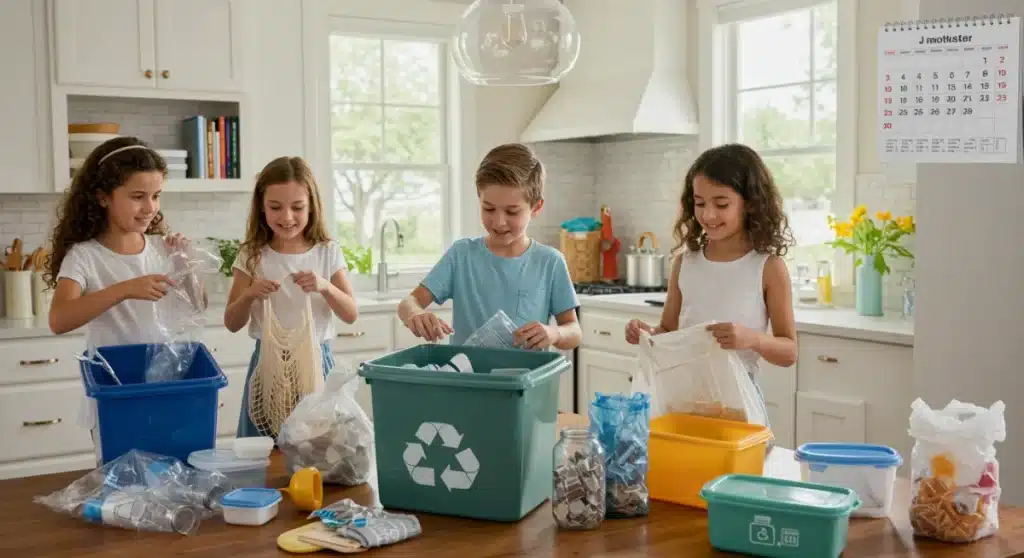
Achieving a 25% reduction in your household’s plastic footprint within six months is an attainable goal for US families, requiring a strategic approach to consumption, waste management, and sustainable alternatives.
Embarking on the journey of reducing your plastic footprint by 25% in 6 months might seem daunting, but it’s an incredibly impactful goal for US households in 2026. With increasing awareness of environmental concerns, many families are seeking practical, time-sensitive solutions to lessen their reliance on single-use plastics and contribute to a healthier planet. This guide is designed to provide clear, actionable steps that can be integrated into daily life, paving the way for significant change within half a year.
Understanding your current plastic footprint
Before you can effectively reduce your plastic footprint, it’s crucial to understand its current size and composition. Many households underestimate the sheer volume of plastic they consume and discard daily. This initial assessment isn’t about judgment, but about gaining clarity to formulate an effective reduction strategy.
Taking a week or two to observe your household’s plastic usage can reveal surprising patterns. Pay close attention to what enters your home, what gets discarded, and what reusable items might already be available but underutilized. This observational period is foundational for setting realistic and impactful reduction goals.
Conducting a plastic audit
A simple house-wide audit can illuminate the primary sources of plastic waste. This involves categorizing plastic items to identify areas of highest consumption. Understanding where plastic originates allows for targeted interventions.
- Kitchen plastics: Food packaging, plastic wrap, disposable containers.
- Bathroom plastics: Shampoo bottles, soap dispensers, toothbrushes, cosmetic containers.
- Cleaning supplies: Detergent bottles, spray cleaners, disposable wipes.
- Miscellaneous: Shopping bags, product packaging, toys, office supplies.
Once you have a clearer picture, you can prioritize which areas to tackle first. Often, the kitchen and bathroom are excellent starting points due to the high volume of single-use plastics found there. This systematic approach ensures that your efforts are focused and yield the best results in the shortest time frame.
By diligently tracking and analyzing your plastic consumption, you lay the groundwork for meaningful change. This initial understanding transforms an abstract goal into a concrete plan, making the 25% reduction target feel much more achievable. It empowers you to make informed decisions about your purchasing habits and waste management.
Strategic shopping and consumption habits
The most effective way to reduce your plastic footprint begins before items even enter your home. Strategic shopping and conscious consumption habits can drastically cut down on plastic waste. This involves making deliberate choices at the grocery store, online, and in daily routines.
Shifting your mindset from convenience to sustainability is a key step. While it might require a little more planning initially, the long-term benefits for both your household and the environment are significant. Every purchasing decision holds the power to either contribute to or alleviate the plastic crisis.
Embracing bulk and package-free options
One of the simplest yet most impactful changes is to opt for bulk items and package-free alternatives. Many grocery stores now offer bulk sections for grains, nuts, spices, and even liquids like olive oil and soap. Bringing your own reusable containers can eliminate a significant amount of plastic packaging.
- Reusable produce bags: Avoid plastic bags for fruits and vegetables.
- Bulk food stores: Purchase dry goods, coffee, and even cleaning supplies in bulk.
- Farmers’ markets: Often provide unpackaged fresh produce.
- Refill stations: Look for local stores that offer refills for household products.
Beyond groceries, consider products with minimal or no plastic packaging. This includes choosing solid bar soaps over liquid, buying milk in glass bottles, and selecting items packaged in paper, cardboard, or metal. These small adjustments accumulate to a substantial reduction over six months.
Developing new shopping routines might take some time, but it quickly becomes second nature. Planning your shopping trips, making lists, and researching local plastic-free options are all part of this strategic shift. This proactive approach to consumption is a cornerstone of successfully reducing your plastic footprint.
Kitchen and pantry plastic reduction
The kitchen is often the largest source of plastic waste in a US household. From food packaging to storage solutions, plastic is ubiquitous. Focusing your efforts here can yield quick and visible results, significantly contributing to your 25% reduction target within the six-month timeframe.
Transforming your kitchen doesn’t require an overnight overhaul. It’s a gradual process of replacing disposable items with reusable ones and making smarter choices about food storage and preparation. Every small swap makes a difference.
Smart food storage and preparation
Replacing plastic food storage containers with glass, stainless steel, or silicone alternatives is a fundamental step. These options are not only more durable and healthier but also eliminate the need for single-use plastic wrap or bags.
- Glass containers: Ideal for meal prep and leftovers, microwave and oven safe.
- Stainless steel containers: Lightweight and durable for lunches and snacks.
- Silicone bags: Reusable alternative to single-use plastic bags for freezing and storage.
- Beeswax wraps: A natural, reusable alternative to plastic wrap for covering food.
When preparing meals, consider ingredients that come in minimal or no plastic packaging. Buying fresh produce, cooking from scratch, and avoiding pre-packaged meals can dramatically reduce plastic waste. Even simple changes like making your own yogurt or snacks can have a big impact.
By consciously managing your kitchen and pantry, you not only reduce plastic but often improve diet quality and save money in the long run. This area offers some of the most accessible and effective opportunities for households aiming to significantly reduce their plastic footprint.
Bathroom and personal care swaps
The bathroom is another area where single-use plastics silently accumulate. From toiletries to cleaning products, many items come in plastic containers that are quickly discarded. Making thoughtful swaps here can contribute substantially to your goal of a 25% plastic reduction.
Transitioning to plastic-free personal care doesn’t mean sacrificing hygiene or convenience. Many innovative and effective alternatives are readily available, often offering a more natural and sustainable approach to daily routines.
Eco-friendly personal hygiene products
One of the easiest changes is to switch from liquid products in plastic bottles to solid bar forms. This applies to shampoo, conditioner, soap, and even specialized facial cleansers.
- Shampoo and conditioner bars: Eliminate plastic bottles and often last longer.
- Solid soap bars: A classic, zero-waste alternative to liquid hand and body wash.
- Bamboo toothbrushes: Biodegradable handles replace plastic ones.
- Refillable deodorant: Choose brands offering refillable cases to reduce plastic waste.
Consider reusable alternatives for other personal care items, such as safety razors with replaceable blades instead of disposable plastic razors, and reusable cotton pads instead of disposable wipes. Even small items like plastic floss can be replaced with silk or plant-based alternatives in refillable dispensers.
These bathroom swaps not only help reduce plastic but also often introduce you to higher-quality, natural products. The cumulative effect of these changes over six months will be a noticeably greener and more sustainable personal care routine, aligning perfectly with your reduction goals.
Out-of-home plastic avoidance strategies
Reducing your plastic footprint isn’t confined to your home; it extends to your activities outside of it. From daily commutes to dining out and shopping, opportunities abound to minimize plastic consumption. Adopting conscious habits when you’re out and about reinforces your commitment to a plastic-free lifestyle.
The key here is preparation. Anticipating situations where single-use plastics are commonly offered and having reusable alternatives at hand can prevent unnecessary waste. This proactive approach makes sustainable choices easy and habitual.
Daily habits for a plastic-free lifestyle on the go
Simple items carried daily can make a significant difference. A reusable water bottle, coffee cup, and shopping bags are essential tools for avoiding single-use plastics.
- Reusable water bottle: Always carry one to avoid buying bottled water.
- Reusable coffee cup: Many cafes offer discounts for bringing your own.
- Reusable shopping bags: Keep them in your car or purse for spontaneous purchases.
- Portable cutlery set: Avoid plastic utensils when eating out or getting takeout.
When ordering takeout or delivery, specifically request no plastic cutlery or extra condiments in plastic packets. If dining in, choose establishments that use reusable dishes and cutlery. These small requests, when made consistently, signal to businesses a demand for more sustainable practices.
Furthermore, consider how you approach leisure activities. Pack snacks in reusable containers for picnics, use reusable bags for beach trips, and choose experiences over plastic-laden souvenirs. Integrating these out-of-home strategies ensures a holistic approach to reducing your plastic footprint.
Tracking progress and staying motivated
Achieving a 25% reduction in your plastic footprint in six months requires consistent effort and a way to measure your progress. Tracking your successes, no matter how small, can provide immense motivation and help you identify areas for further improvement. This journey is a marathon, not a sprint, and celebrating milestones keeps you engaged.
Don’t be discouraged by occasional slip-ups. The goal is progress, not perfection. Every conscious choice you make moves you closer to your target. A flexible and encouraging approach to tracking will ensure long-term success.
Monitoring your plastic reduction journey
There are several simple ways to track your progress. Visual methods can be particularly motivating, allowing you to see the tangible results of your efforts.
- Waste audits: Periodically review your trash and recycling to see changes in plastic volume.
- Journaling: Keep a record of plastic-free swaps you’ve made and new habits adopted.
- Visual charts: Create a chart to track the number of plastic items avoided each week.
- Share your journey: Engage with online communities or friends for support and ideas.
Set small, achievable goals each month. Perhaps the first month focuses on the kitchen, the second on the bathroom, and so on. This phased approach prevents overwhelm and builds momentum. Remember to adjust your strategy as you learn what works best for your household.
Staying motivated is also about understanding the broader impact of your actions. Remind yourself that every piece of plastic avoided contributes to cleaner oceans, healthier ecosystems, and a more sustainable future. Your efforts, combined with those of many other households, create a powerful wave of change. Celebrate your 25% reduction not just as a number, but as a testament to your commitment to environmental stewardship.
| Key Action Area | Description of Impact |
|---|---|
| Plastic Audit | Identifies main sources of household plastic waste, guiding targeted reduction efforts. |
| Strategic Shopping | Prioritizes bulk, package-free, and minimally packaged items to prevent plastic entry. |
| Kitchen & Bathroom Swaps | Replaces single-use plastic containers and products with durable, reusable alternatives. |
| Out-of-Home Avoidance | Employs reusable items and conscious choices to minimize plastic use when outside the home. |
Frequently asked questions about plastic reduction
Yes, absolutely. By focusing on high-impact areas like the kitchen and bathroom, embracing strategic shopping, and adopting reusable alternatives, US households can realistically achieve a 25% reduction in their plastic footprint within six months. Consistency is key.
Some of the easiest items to eliminate include single-use plastic bags, plastic water bottles, coffee cups, and disposable food containers. Swapping these for reusable versions offers immediate and significant impact with minimal effort, kickstarting your reduction journey effectively.
Lead by example and communicate the benefits, such as saving money or improving health. Involve them in decision-making, make it fun, and celebrate small victories together. Education about environmental impact can also be a powerful motivator for collective action.
Not always. While many alternatives are beneficial, consider the entire lifecycle of a product. Reusable options like glass or stainless steel are generally better, but disposable paper or compostable plastics still require resources. Focus on reuse and durability over single-use alternatives.
If local options are limited, explore online retailers specializing in zero-waste products. You can also communicate with local store managers to express demand for plastic-free alternatives. Supporting farmers’ markets and local co-ops often provides more unpackaged choices.
Conclusion
Achieving a 25% reduction in your household’s plastic footprint within six months is an ambitious yet entirely attainable goal for US households in 2026. By systematically auditing your current usage, adopting strategic shopping habits, making conscious swaps in the kitchen and bathroom, and extending your efforts to out-of-home activities, you can make a significant environmental impact. Remember that every small, consistent step contributes to a larger, positive change. This journey is not just about reducing waste; it’s about fostering a more sustainable lifestyle that benefits both your family and the planet for years to come.