Zero-Plastic Bathroom: 5 Practical Solutions by March 2026
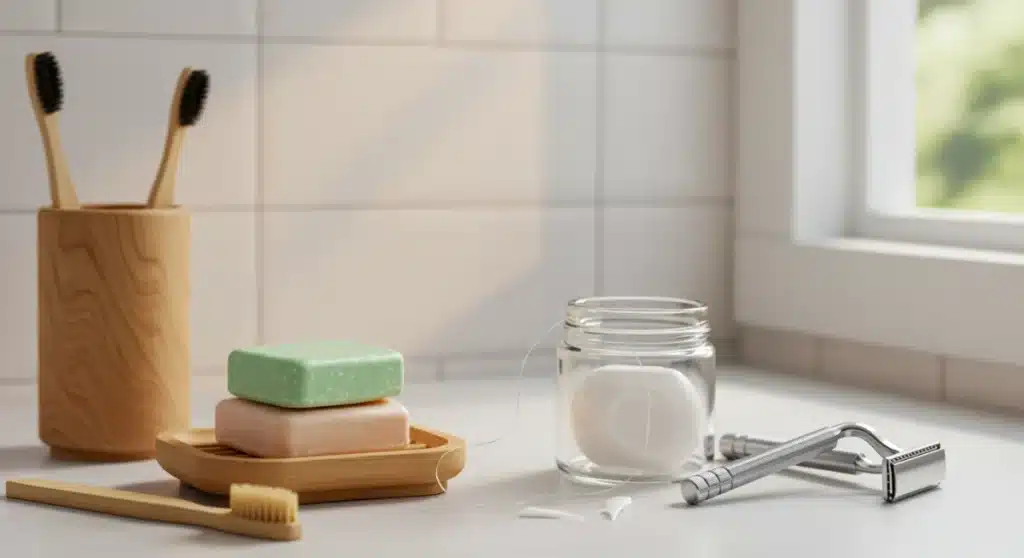
Achieving a zero-plastic bathroom by March 2026 is an attainable goal with practical solutions like solid personal care products, refillable containers, and mindful consumption, significantly reducing environmental impact.
Are you ready to truly make a difference in your daily routine? The journey to a zero-plastic bathroom solutions is more accessible than ever, and with a target of March 2026, there’s ample time to implement meaningful changes. This isn’t just about reducing waste; it’s about embracing a lifestyle that values sustainability, health, and a cleaner planet for future generations. Let’s explore how you can transform your bathroom into an eco-conscious haven, one thoughtful swap at a time.
Embracing solid personal care products
Transitioning to solid personal care products is perhaps one of the most impactful first steps towards a zero-plastic bathroom. Liquid products, from shampoos to body washes, are almost universally packaged in plastic bottles, contributing significantly to landfill waste and ocean pollution. Solid alternatives eliminate this packaging entirely, offering a concentrated, often longer-lasting, and equally effective solution.
The market for solid personal care has expanded dramatically, providing a wide array of options that cater to diverse needs and preferences. These products often come in compostable or recyclable packaging, further minimizing their environmental footprint. The initial switch might feel different, but the benefits quickly become apparent, not just for the planet but also for travel convenience and often, your wallet in the long run.
Shampoo and conditioner bars
Shampoo and conditioner bars are leading the charge in the solid personal care revolution. They are compact, easy to use, and formulated to address various hair types, from oily to dry, color-treated to fine. Many brands prioritize natural ingredients, avoiding harsh chemicals often found in their liquid counterparts.
- Ease of use: Simply wet your hair and rub the bar directly onto your scalp, lather, and rinse.
- Longevity: A single bar can often outlast two to three bottles of liquid product.
- Travel-friendly: No spills, no liquid restrictions at airport security.
- Diverse formulations: Options for every hair concern, often with natural fragrances.
Beyond hair care, solid body soaps, facial cleansers, and even solid lotions are readily available. These products typically contain fewer preservatives due to their waterless nature, which can be beneficial for sensitive skin. Making the switch to solid products is a simple yet powerful statement against single-use plastics in your daily hygiene.
Ultimately, by choosing solid personal care items, you are actively participating in a global movement towards reduced plastic consumption. This shift not only benefits the environment by decreasing plastic waste but also encourages innovation in sustainable product development. It’s a practical and effective way to begin your journey to a truly zero-plastic bathroom by your March 2026 deadline.
Adopting refillable systems and bulk buying
Beyond solid products, integrating refillable systems and practicing bulk buying are crucial strategies for minimizing plastic waste in your bathroom. Many liquid products, while inherently requiring some form of container, can be purchased in bulk or refilled at specialized stores, significantly reducing the frequency of new plastic purchases.
This approach moves beyond simply avoiding plastic to actively participating in a circular economy, where resources are reused and waste is minimized. It requires a slight shift in shopping habits but offers substantial environmental rewards, helping you stay on track for your March 2026 goal.
Refill stations and local stores
An increasing number of stores, from independent zero-waste shops to larger retailers, are offering refill stations for common bathroom essentials. These can include liquid hand soap, body wash, and even certain cleaning products. Bringing your own reusable containers, often glass or aluminum, allows you to purchase only the product, not the packaging.
- Find local options: Search online for ‘refill stations near me’ or ‘zero-waste stores’.
- Invest in reusable containers: Opt for durable, long-lasting materials like glass or stainless steel.
- Check product compatibility: Ensure the product you’re refilling is suitable for your container.
- Save money: Bulk purchasing often results in a lower cost per ounce compared to pre-packaged items.
For items that aren’t readily available at refill stations, consider buying larger, concentrated versions that last longer and reduce overall packaging. This is particularly useful for products like laundry detergent or all-purpose cleaners that might also find a home in your bathroom cleaning routine.
Bulk buying extends beyond liquids. Consider purchasing larger quantities of toilet paper, cotton swabs, or even dental floss that come in minimal or paper packaging. This reduces the number of individual plastic wrappers and containers entering your home and, ultimately, the waste stream.
By consciously seeking out refillable options and embracing bulk purchases, you dramatically cut down on single-use plastic. This mindful consumption pattern not only helps you achieve a zero-plastic bathroom but also supports businesses committed to sustainable practices, fostering a greener marketplace for everyone.
Switching to plastic-free dental care
Dental care products are notorious for their plastic consumption, from toothbrushes and toothpaste tubes to floss containers. However, the market has seen a significant surge in innovative, plastic-free alternatives that are just as effective, if not more so, than their conventional counterparts. Making these switches is a vital step in achieving your zero-plastic bathroom by March 2026.
These sustainable dental care options often come with added benefits, such as natural ingredients and a reduced environmental footprint throughout their lifecycle. It’s an area where small changes can lead to a considerable reduction in plastic waste over time.
Bamboo toothbrushes and toothpaste tablets
The most common and impactful swap is the bamboo toothbrush. Unlike plastic toothbrushes that take hundreds of years to decompose, bamboo toothbrushes have biodegradable handles. Many brands also offer brushes with plant-based bristles, making them almost entirely compostable.
- Biodegradable handles: Bamboo is a fast-growing, sustainable resource.
- Effective cleaning: Bristles are designed for thorough plaque removal.
- Variety of options: Find different bristle strengths and head sizes.
- Eco-conscious disposal: Handles can often be composted at home or industrially.
Toothpaste tablets are another game-changer. These small, chewable tablets eliminate the need for plastic tubes, which are notoriously difficult to recycle. Simply chew a tablet, brush with a wet toothbrush, and rinse. They typically come in glass jars or compostable pouches, offering a truly plastic-free brushing experience.
Beyond toothbrushes and toothpaste, consider plastic-free dental floss options. Silk floss, often coated with natural waxes, comes in refillable glass or metal containers. Water flossers, while having a plastic device, offer a long-term solution that eliminates the need for disposable floss picks.
By consciously choosing plastic-free dental care products, you are not only reducing your personal plastic waste but also supporting a growing industry committed to environmental stewardship. These alternatives prove that effective oral hygiene doesn’t have to come at the expense of the planet, moving you closer to your zero-plastic goal.
Eliminating disposable plastic accessories
The bathroom is often filled with numerous small, disposable plastic accessories that, while seemingly insignificant individually, accumulate to a considerable amount of waste over time. From cotton swabs to razors, many of these items have sustainable, reusable counterparts that can dramatically reduce your plastic footprint. Addressing these often-overlooked items is crucial for a truly zero-plastic bathroom by March 2026.
Making these swaps not only benefits the environment but can also lead to a more streamlined and aesthetically pleasing bathroom, free from clutter and single-use items.
Reusable cotton rounds and safety razors
Disposable cotton pads and swabs, often made with plastic stems, are a common source of bathroom waste. Switching to reusable cotton rounds, typically made from organic cotton or bamboo, eliminates this waste entirely. These can be washed and reused hundreds of times, making them a sustainable and economical choice.
- Washable and durable: Easily cleaned in a laundry bag with regular wash.
- Soft on skin: Gentle for applying toners, removing makeup, or cleaning.
- Cost-effective: Eliminates the recurring expense of disposable pads.
- Zero waste: Reduces landfill waste and plastic pollution from packaging.
For shaving, traditional plastic disposable razors are a major environmental concern. A simple yet effective solution is the safety razor. Made from durable metal, safety razors use single, recyclable blades, drastically cutting down on plastic waste. While the initial investment might be higher, the replacement blades are considerably cheaper than cartridge refills, saving money in the long run.
Consider other small swaps like opting for natural sponges or loofahs instead of plastic mesh poufs, or using hairbrushes and combs made from bamboo or wood. Even menstrual hygiene products have plastic-free alternatives, such as menstrual cups or reusable cloth pads.
By thoughtfully replacing disposable plastic accessories with their reusable or biodegradable counterparts, you significantly advance your goal of a zero-plastic bathroom. These changes, though small on their own, collectively create a powerful impact, demonstrating a commitment to sustainable living that extends to every corner of your home.
DIY and homemade solutions for a plastic-free lifestyle
For those eager to take their zero-plastic journey even further, delving into DIY and homemade solutions offers an excellent way to eliminate plastic packaging entirely. Creating your own personal care and cleaning products not only ensures they are plastic-free but also gives you complete control over the ingredients, often resulting in healthier, more natural options. This hands-on approach is a powerful method to achieve a truly zero-plastic bathroom solutions by March 2026.
The satisfaction of using something you’ve made yourself, combined with the environmental benefits, makes DIY a rewarding part of a sustainable lifestyle. It also encourages a deeper understanding of product ingredients and their impact.
Simple recipes for common bathroom products
Many common bathroom essentials can be easily made at home with a few basic ingredients, stored in reusable glass jars or bottles. This completely bypasses the need for plastic packaging and often reduces exposure to synthetic chemicals.
- Homemade toothpaste: A simple mix of baking soda, coconut oil, and peppermint essential oil.
- DIY deodorant: Often made with baking soda, cornstarch, and coconut oil, sometimes with essential oils.
- All-purpose cleaner: White vinegar, water, and essential oils create an effective, non-toxic cleaner.
- Body scrub: Sugar or salt mixed with olive or coconut oil provides an exfoliating treatment.
Beyond personal care, consider making your own cleaning solutions for the bathroom. A mixture of baking soda and vinegar can tackle tough grime, while lemon juice can act as a natural disinfectant and deodorizer. These homemade solutions are not only effective but also completely free from the harsh chemicals and plastic bottles found in commercial cleaners.
The process of making your own products can also be an enjoyable and educational experience, allowing you to experiment with different ingredients and scents to find what works best for you. It’s an empowering step towards self-sufficiency and a deeper connection to the products you use daily.
By embracing DIY and homemade solutions, you are taking a significant leap towards a zero-plastic bathroom. This approach minimizes packaging waste, reduces exposure to unnecessary chemicals, and empowers you to create custom products tailored to your needs. It’s an advanced yet accessible strategy for anyone committed to a truly sustainable lifestyle by March 2026.
Strategic planning and mindful consumption
Achieving a zero-plastic bathroom by March 2026 isn’t just about making individual swaps; it also requires strategic planning and a fundamental shift towards mindful consumption. This involves thinking critically about what you bring into your home, how it’s packaged, and its end-of-life impact. It’s a holistic approach that ensures long-term sustainability.
Mindful consumption extends beyond the bathroom, influencing your overall purchasing habits and encouraging a more conscious lifestyle. This thoughtful approach helps solidify your commitment to a plastic-free future.
Auditing your current bathroom and setting goals
Start by conducting a thorough audit of your current bathroom products. Identify all items that contain plastic, noting their purpose and potential plastic-free alternatives. This baseline assessment will highlight areas where you can make the most significant impact and prioritize your swaps.
- Inventory existing plastics: List all plastic bottles, tubes, and accessories.
- Research alternatives: Find sustainable replacements for each item.
- Set realistic timelines: Don’t try to replace everything at once; phase out items as they run out.
- Educate yourself: Learn about different types of plastics and their recycling challenges.
Once you have a clear picture, set realistic, actionable goals. Instead of aiming for perfection overnight, focus on gradual, consistent changes. For example, commit to replacing one plastic item per month, or only purchasing plastic-free versions of products once your current supply runs out. This steady approach makes the transition manageable and sustainable.
Mindful consumption also means questioning the necessity of every purchase. Do you truly need that new product, or can an existing item fulfill its purpose? Opting for multi-purpose products, for instance, can reduce the number of items you need to buy, thereby reducing overall packaging.
By strategically planning your transition and practicing mindful consumption, you build a resilient, plastic-free routine. This approach ensures that your efforts towards a zero-plastic bathroom are not just temporary fixes but deeply ingrained habits that contribute to a healthier planet well beyond your March 2026 target.
| Key Solution | Brief Description |
|---|---|
| Solid Products | Replace liquid shampoos, conditioners, and body washes with plastic-free, concentrated bars. |
| Refill & Bulk Buy | Utilize refill stations and purchase larger quantities of products in reusable containers. |
| Plastic-Free Dental Care | Switch to bamboo toothbrushes, toothpaste tablets, and refillable dental floss. |
| Reusable Accessories | Replace disposable items like cotton rounds and plastic razors with reusable alternatives. |
Frequently asked questions about zero-plastic bathrooms
Yes, it’s highly realistic with a strategic approach. Focusing on gradual swaps like solid products, refillable options, and reusable accessories makes the transition manageable and effective within the given timeframe, fostering sustainable habits.
Initially, some plastic-free alternatives might have a higher upfront cost. However, many, like shampoo bars or safety razors, last longer or have cheaper refills, leading to significant savings over time. Bulk buying also reduces costs.
You can typically find local refill stations by searching online for ‘zero-waste stores near me’ or ‘refill shops [your city]’. Many health food stores and co-ops are also starting to offer these services for various household and personal care items.
Starting with a bamboo toothbrush, a solid shampoo bar, and a reusable water bottle are excellent initial steps. These swaps are straightforward, widely available, and immediately reduce daily plastic consumption without requiring significant lifestyle adjustments.
Absolutely! Many common bathroom items like toothpaste, deodorant, and cleaning sprays can be easily made at home using natural ingredients. This is a fantastic way to eliminate plastic packaging entirely and control the ingredients you use.
Conclusion
The journey to a zero-plastic bathroom by March 2026 is an ambitious yet entirely achievable goal that reflects a growing commitment to environmental stewardship. By embracing practical solutions such as solid personal care products, adopting refillable systems, choosing plastic-free dental care, eliminating disposable accessories, and exploring DIY options, you can significantly reduce your plastic footprint. This transformation is more than just a trend; it’s a profound shift towards mindful consumption and sustainable living, demonstrating that small, consistent changes in our daily routines can lead to a healthier planet for everyone. Start today, and be a part of the solution.