Optimize Micronutrient Intake: 7 Expert Tips for Peak Performance
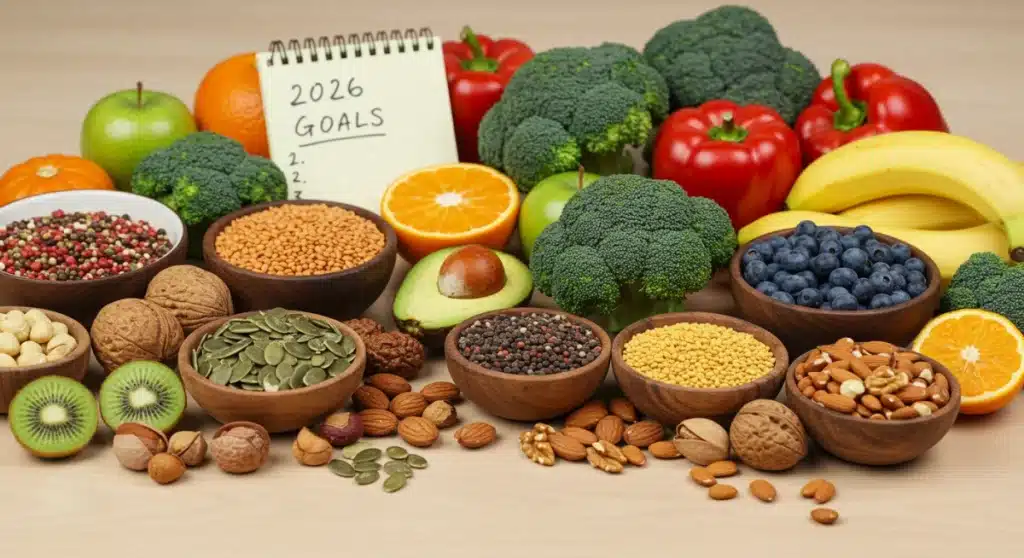
To reach your peak, you need more than just calories; you need a biological master plan. Learning how to optimize micronutrient intake is the secret to unlocking sustained energy and mental clarity that lasts all day.
Think of vitamins and minerals as the spark plugs for your cellular engine. By focusing on nutrient density, you ensure every metabolic process, from immune defense to muscle recovery, functions at its absolute highest potential.
Stop guessing and start fueling with precision. These seven expert strategies will help you refine your dietary habits and transform your daily performance through the power of essential elements.
Understanding the Micronutrient Landscape
Micronutrients, encompassing vitamins and minerals, are indispensable for virtually every bodily function, from energy production to immune defense and cognitive health.
Unlike macronutrients, which provide energy, micronutrients act as vital cofactors and catalysts, enabling countless biochemical reactions that keep us thriving.
Many individuals, despite consuming sufficient calories, may still suffer from micronutrient deficiencies due to poor dietary choices, soil depletion, or increased physiological demands.
Recognizing this gap is the first step towards a more informed and proactive approach to nutrition.
The vital roles of vitamins
Vitamins are organic compounds that our bodies need in small quantities for various metabolic processes. They are often categorized as fat-soluble (A, D, E, K) or water-soluble (B vitamins and C), each with unique functions and dietary sources.
- Vitamin D: Crucial for bone health, immune function, and mood regulation.
- B Vitamins: Essential for energy metabolism, nerve function, and red blood cell formation.
- Vitamin C: A powerful antioxidant vital for immune support and collagen synthesis.
Essential minerals and their impact
Minerals are inorganic elements that play diverse roles, from structural components in bones to regulating fluid balance and nerve impulses. They are categorized as major minerals (e.g., calcium, magnesium) or trace minerals (e.g., iron, zinc).
- Magnesium: Involved in over 300 enzymatic reactions, crucial for muscle and nerve function, blood glucose control, and blood pressure regulation.
- Zinc: Supports immune function, wound healing, and DNA synthesis.
- Iron: Essential for oxygen transport and energy production.
A balanced intake of these micronutrients is not merely about preventing deficiency diseases but about fostering an environment where the body can perform at its absolute best. Understanding the nuanced roles of each allows for a more strategic approach to dietary planning.
Tip 1: Embrace a Whole Foods-First Approach
The cornerstone of optimal micronutrient intake lies in prioritizing whole, unprocessed foods.
These foods are not only rich in a spectrum of vitamins and minerals but also contain synergistic compounds like fiber and phytochemicals that enhance absorption and overall health benefits. Relying on whole foods ensures a natural and balanced supply of essential nutrients.
Processed foods, on the other hand, often lose much of their micronutrient content during manufacturing and are frequently fortified with synthetic vitamins, which may not be absorbed or utilized as effectively as naturally occurring ones.
Shifting away from these options is a fundamental step towards better nutrition.
Diversity in your diet
Eating a wide variety of colorful fruits and vegetables, lean proteins, and healthy fats is key. Each food group offers a unique profile of micronutrients, so diversity helps cover all bases.
To maximize your nutritional profile, start by filling your plate with a vibrant spectrum of produce, as different colors signal unique antioxidant and vitamin signatures.
Complement this variety by rotating your protein sources, incorporating fish, poultry, beans, and nuts, to secure a diverse array of minerals and essential amino acids.
Finally, don’t forget to integrate healthy fats like avocados and olive oil, which are vital for absorbing fat-soluble nutrients and fueling your body with essential fatty acids.
Focusing on seasonal and locally sourced produce can also enhance micronutrient density, as foods harvested at their peak ripeness often have higher nutrient levels. This approach also supports sustainable eating practices.
Building meals around these foundational foods creates a robust nutritional framework. It moves beyond simply avoiding deficiencies to actively promoting an environment of abundance for your body’s cellular needs. This holistic perspective is crucial for sustained peak performance.
Tip 2: Prioritize Gut Health for Enhanced Absorption
Even with a meticulously planned, nutrient-rich diet, poor gut health can severely impede the absorption of vital micronutrients. The gut microbiome plays a pivotal role in breaking down food, synthesizing certain vitamins, and facilitating the uptake of minerals.
A compromised gut can lead to malabsorption, rendering your healthy eating efforts less effective.
Addressing gut health involves fostering a balanced ecosystem of beneficial bacteria. This not only improves nutrient absorption but also strengthens the immune system and can positively impact mood and cognitive function.
Cultivating a healthy microbiome
Incorporating fermented foods and adequate fiber is crucial for supporting a thriving gut environment. These foods introduce beneficial bacteria and provide the fuel for their growth.
- Probiotic-rich foods: Kefir, yogurt, kimchi, sauerkraut, and kombucha can introduce beneficial bacteria.
- Prebiotic fibers: Onions, garlic, leeks, asparagus, and oats feed good gut bacteria.
- Hydration: Sufficient water intake supports healthy digestion and nutrient transport.
Avoiding excessive sugar, artificial sweeteners, and highly processed foods is equally important, as these can disrupt the delicate balance of the gut microbiome.
A healthy gut lining is also essential for preventing inflammatory responses that can further hinder nutrient absorption.
Regular consumption of diverse plant fibers also contributes significantly to gut health by promoting regularity and providing substrates for beneficial microbial activity. This symbiotic relationship between diet and gut flora is a cornerstone of effective micronutrient utilization.
Tip 3: Strategic Supplementation When Necessary
While a whole-foods diet is paramount, there are instances where strategic supplementation becomes a valuable tool to optimize micronutrient intake.
Factors such as dietary restrictions (e.g., veganism), geographical location (e.g., limited sun exposure), increased physiological demands (e.g., intense athletic training), or specific health conditions can create nutrient gaps that are difficult to fill through diet alone.
The key here is ‘strategic’, not indiscriminate. Blindly taking a myriad of supplements can be ineffective and, in some cases, harmful.
A targeted approach, ideally guided by professional advice and diagnostic testing, ensures that supplementation genuinely supports your health goals without creating imbalances.
Common deficiencies to consider
Certain micronutrients are more commonly deficient in the general population, making them potential candidates for supplementation if dietary intake is insufficient.
- Vitamin D: Especially for those with limited sun exposure or darker skin tones.
- Vitamin B12: Critical for vegans and vegetarians, as it’s primarily found in animal products.
- Omega-3 Fatty Acids: Important for brain and heart health, often lacking in Western diets.
- Magnesium: Common due to soil depletion and high stress levels.
Before starting any new supplement regimen, consulting with a healthcare professional or a registered dietitian is highly recommended.
They can help assess your individual needs, recommend appropriate dosages, and advise on potential interactions with medications or existing health conditions. Quality of supplements also matters significantly; look for reputable brands with third-party testing.
Furthermore, remember that supplements are meant to ‘supplement’ your diet, not replace it. They should act as a bridge to fill specific gaps, ensuring your body receives all the necessary building blocks for optimal function, especially when dietary sources fall short.
Tip 4: Hydration and Electrolyte Balance
Often overlooked in discussions about micronutrients, proper hydration and electrolyte balance are fundamental to their effective transportation, absorption, and utilization within the body.
Water is the medium through which virtually all nutrients travel, and electrolytes (minerals like sodium, potassium, magnesium, and calcium) are critical for maintaining fluid balance, nerve impulses, and muscle function.
Dehydration, even mild, can significantly impair cellular function and nutrient delivery, directly impacting energy levels, cognitive performance, and physical endurance. Maintaining optimal fluid and electrolyte status ensures that your micronutrients can do their job efficiently.
The role of water in nutrient transport
Water acts as a solvent for water-soluble vitamins and helps dissolve and transport minerals. It also plays a role in every metabolic reaction where micronutrients are involved.
Proper hydration is the silent engine of your metabolism, acting as the primary vehicle for nutrient delivery into your cells while flushing out metabolic waste.
In the gut, adequate water intake is indispensable for smooth digestion and the efficient absorption of the nutrients you consume.
Furthermore, staying hydrated stabilizes your core body temperature, ensuring that your internal environment remains primed for peak metabolic efficiency and performance.
Electrolytes beyond sports drinks
While popular in sports, electrolytes are crucial for everyone. They help regulate nerve and muscle function, hydrate the body, balance blood acidity and pressure, and rebuild damaged tissue.
- Potassium: Found in bananas, avocados, spinach, and sweet potatoes.
- Sodium: Naturally present in many foods; excessive intake should be monitored.
- Calcium: Dairy, leafy greens, fortified plant milks.
Focus on consuming electrolyte-rich foods and plain water throughout the day rather than relying solely on sugary sports drinks.
For those engaging in intense exercise or living in hot climates, increasing electrolyte intake through natural sources or carefully chosen supplements can be particularly beneficial.
This balanced approach ensures cellular efficiency and promotes overall vitality.
Tip 5: Manage Stress and Improve Sleep Quality
The intricate relationship between stress, sleep, and micronutrient status is often underestimated. Chronic stress can deplete key micronutrients, particularly B vitamins, magnesium, and vitamin C, due to increased metabolic demand.
Similarly, poor sleep quality can impair the body’s ability to repair and regenerate, leading to increased oxidative stress and a higher demand for antioxidant micronutrients.
Addressing these lifestyle factors is not just about mental well-being; it’s a direct pathway to preserving and optimizing your micronutrient reserves. A calm mind and a well-rested body are far more efficient at utilizing the nutrients you consume.
Stress’s impact on nutrient depletion
When the body is under chronic stress, it enters a ‘fight or flight’ state, which consumes energy and nutrients at an accelerated rate. This can lead to a vicious cycle of depletion.
- Magnesium: Stress increases magnesium excretion, yet magnesium helps regulate stress response.
- B Vitamins: Essential for nerve function and energy production, heavily used during stress.
- Vitamin C: Crucial for adrenal gland function, which produces stress hormones.
Sleep as a restorative process
During sleep, the body undergoes critical repair and detoxification processes. Adequate sleep helps regulate hormones that influence appetite and metabolism, indirectly supporting micronutrient balance.
Quality sleep serves as a critical regulator for hormonal balance, stabilizing leptin and ghrelin levels to ensure your brain makes smarter, nutrient-dense food choices.
During these rest periods, your body shifts into a state of cellular repair, effectively utilizing stored nutrients to facilitate muscle growth and tissue recovery.
By maintaining a consistent sleep schedule, you also lower systemic inflammation, which preserves your internal resources by reducing the constant demand for protective antioxidants.
Implementing stress-reduction techniques such as mindfulness, meditation, yoga, or spending time in nature can significantly mitigate nutrient depletion.
Prioritizing 7-9 hours of quality sleep per night is equally vital, creating a foundation for optimal micronutrient absorption and utilization. These lifestyle adjustments are powerful allies in your quest for peak performance.
Tip 6: Optimize Cooking and Food Preparation Methods

The way we prepare and cook our food can dramatically impact its micronutrient content and bioavailability. While raw foods retain maximum heat-sensitive vitamins, some nutrients become more available after cooking.
The goal is to strike a balance, employing methods that preserve integrity while enhancing absorption.
Overcooking, excessive boiling, or prolonged exposure to air and light can degrade vitamins, particularly water-soluble ones. Being mindful of preparation techniques ensures that the effort you put into selecting nutrient-dense foods isn’t undermined in the kitchen.
Preserving nutrient integrity
Choosing appropriate cooking methods can make a significant difference in how many micronutrients make it from your plate to your body.
Mastering your kitchen techniques is just as vital as the ingredients themselves; for instance, steaming is an excellent way to preserve delicate water-soluble vitamins by minimizing their contact with water.
For nutrients that require a carrier, a light sauté with healthy fats can significantly enhance the bioavailability of fat-soluble vitamins like A, D, E, and K.
Additionally, roasting root vegetables can concentrate both flavor and nutrients, provided you avoid excessive charring to keep the profile clean and effective.
Enhancing bioavailability
Some micronutrients are better absorbed when paired with others or when certain preparation steps are taken. This is known as nutrient synergy.
- Vitamin C with Iron: Pairing vitamin C-rich foods (e.g., bell peppers) with iron sources (e.g., spinach) can significantly increase non-heme iron absorption.
- Fat with Fat-Soluble Vitamins: Adding a healthy fat (e.g., olive oil) to salads with leafy greens helps absorb vitamins A, E, and K.
- Soaking and Sprouting: For legumes and grains, these methods can reduce phytates, which inhibit mineral absorption.
Understanding these culinary nuances empowers you to maximize the nutritional value of your meals. It’s not just about what you eat, but also how you prepare it, turning your kitchen into a laboratory for optimal health and micronutrient retention.
This thoughtful approach to food preparation is a key component of a high-performance nutritional strategy.
Tip 7: Regular Monitoring and Personalized Adjustments
The journey to optimize micronutrient intake is not a one-size-fits-all endeavor; it’s a dynamic process requiring regular monitoring and personalized adjustments.
What works for one individual may not be ideal for another, given genetic variations, lifestyle differences, health conditions, and environmental factors. Relying on generalized advice without personal assessment can lead to suboptimal results.
Embracing a proactive approach that includes regular health check-ups and, where appropriate, nutrient testing, empowers you to make data-driven decisions about your dietary and supplementation strategies.
This ensures your efforts are always aligned with your body’s unique and evolving needs.
The value of diagnostic testing
Blood tests can reveal deficiencies or excesses that might not be apparent through symptoms alone. This information is invaluable for creating a truly personalized nutritional plan.
- Vitamin D levels: Crucial for bone health and immune function.
- Ferritin (iron stores): Important for energy and preventing anemia.
- Magnesium and B vitamin panels: Can indicate overall metabolic health.
Listening to your body’s signals
Beyond laboratory tests, paying close attention to how your body feels is an essential form of self-monitoring. Changes in energy levels, mood, skin health, or digestive patterns can all be indicators of nutritional status.
Listening to your body’s subtle cues is essential, as daily energy fluctuations often serve as an early warning sign for potential deficiencies in B vitamins or iron levels.
Physical changes in your skin and hair can also be telling, frequently pointing toward a localized need for more zinc, biotin, or essential fatty acids.
Furthermore, persistent digestive discomfort shouldn’t be ignored, as it typically indicates that your system requires a boost in fiber, probiotics, or specific digestive enzymes to maintain optimal gut health.
Working with a healthcare professional, such as a registered dietitian or a functional medicine practitioner, can provide expert guidance in interpreting test results and developing a tailored plan.
This iterative process of assessment, adjustment, and re-evaluation is the most effective way to continuously optimize your micronutrient intake for sustained peak performance in 2026 and beyond, ensuring your health strategy is as unique as you are.
| Key Tip | Brief Description |
|---|---|
| Whole Foods Focus | Prioritize unprocessed, diverse foods for natural nutrient wealth. |
| Gut Health | Support microbiome for optimal nutrient absorption. |
| Strategic Supplements | Use targeted supplements to fill specific dietary gaps. |
| Monitor & Adjust | Regular testing and self-assessment for personalized nutrition. |
Frequently Asked Questions About Micronutrient Intake
Micronutrients are essential vitamins and minerals needed in small quantities for vital bodily functions like energy production, immune response, and growth. They are crucial because the body cannot produce most of them, making dietary intake essential for overall health and peak performance.
To ensure adequate intake, prioritize a diverse diet rich in whole, unprocessed foods. Focus on consuming a wide variety of colorful fruits, vegetables, lean proteins, and healthy fats. Eating the rainbow and varying your food sources helps cover a broad spectrum of essential vitamins and minerals.
Supplementation may be necessary when dietary intake is insufficient due to restrictions (e.g., veganism), increased physiological demands (e.g., intense training), or specific health conditions. It’s crucial to consult a healthcare professional for personalized advice and diagnostic testing to identify specific deficiencies before supplementing.
Gut health significantly impacts micronutrient absorption. A balanced gut microbiome helps break down food, synthesize certain vitamins, and facilitate mineral uptake. Poor gut health can lead to malabsorption, making a probiotic and prebiotic-rich diet essential for efficient nutrient utilization.
Yes, cooking methods can greatly affect micronutrient content. Overcooking or excessive boiling can degrade heat-sensitive and water-soluble vitamins. Steaming, light sautéing, and roasting are generally better options. Pairing certain foods, like vitamin C with iron, can also enhance nutrient bioavailability.
Conclusion
Optimizing micronutrient intake is a multifaceted but achievable goal that underpins peak performance and long-term health.
By embracing a whole foods-first approach, nurturing gut health, making strategic supplementation choices, prioritizing hydration, managing stress, and employing smart cooking techniques, you lay a robust foundation for vitality.
Remember, this journey is personal; regular monitoring and adjustments based on your body’s unique needs are paramount to sustaining optimal well-being and achieving your highest potential in 2026 and beyond, ensuring your health strategy is as unique as you are.