Eating Healthy on a Budget: Save 15% on Groceries Annually
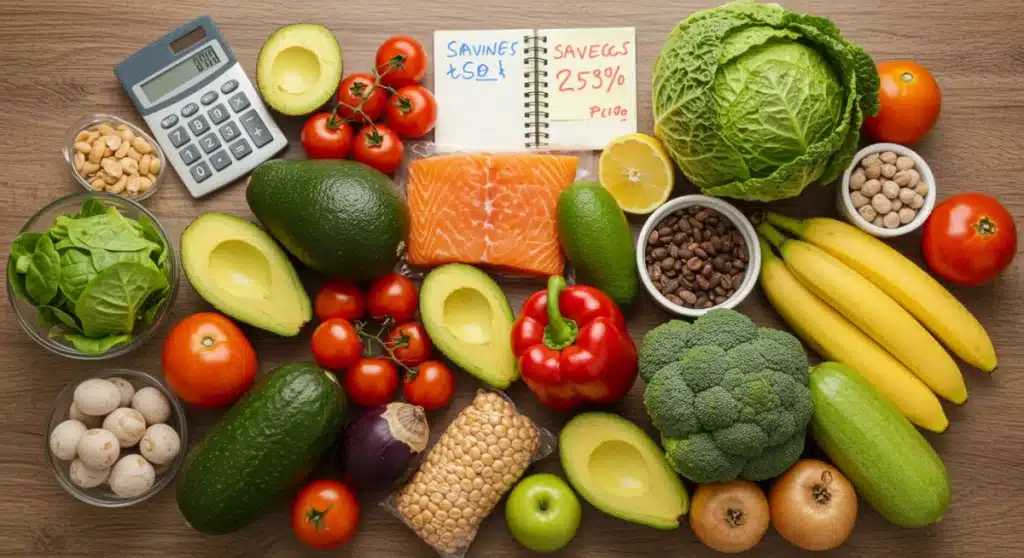
Saving 15% on groceries annually while maintaining a healthy diet is achievable through strategic meal planning, smart shopping habits, and utilizing seasonal produce to significantly impact your financial well-being.
Are you ready to transform your grocery shopping and revolutionize your finances? Learning to master eating healthy on a budget isn’t just a trend; it’s a powerful strategy that can save you up to 15% on your annual grocery bill, starting today.
Understanding the Financial Impact of Smart Grocery Shopping
Many people believe that eating healthy automatically means spending more. However, this common misconception often leads to unnecessary expenses or, worse, a reliance on processed, less nutritious foods. The truth is, with a bit of planning and strategic choices, you can significantly reduce your grocery spending without compromising on health.
The average American household spends a substantial portion of its budget on food. By implementing smart grocery shopping techniques, you can redirect these savings towards other financial goals, whether it’s building an emergency fund, paying down debt, or investing for the future. Imagine what an extra 15% of your annual grocery budget could do for your financial landscape!
The True Cost of Unplanned Purchases
Impulse buys and lack of a shopping list are silent killers of your budget. These small, seemingly insignificant purchases add up quickly, often pushing your grocery bill far beyond what you intended. Understanding this psychological trap is the first step toward regaining control.
- Hidden expenses: Snacks, sugary drinks, and convenience foods often carry higher per-serving costs.
- Food waste: Buying too much or items you won’t use before they spoil directly translates to wasted money.
- Emotional spending: Shopping when hungry or stressed can lead to less rational decisions and more expensive choices.
By consciously tackling these habits, you begin to build a foundation for substantial savings. This isn’t about deprivation; it’s about making informed choices that benefit both your wallet and your health.
Ultimately, recognizing the direct link between your shopping habits and your financial well-being is crucial. Every dollar saved on groceries is a dollar earned, offering a tangible reward for your efforts in adopting a more mindful approach to food purchasing.
Mastering Meal Planning for Maximum Savings
Meal planning is the cornerstone of successful budget-friendly healthy eating. It helps eliminate food waste, reduces impulse purchases, and ensures you have all the necessary ingredients on hand for nutritious meals throughout the week. A well-executed meal plan can easily shave dollars off your weekly bill.
The process doesn’t have to be complicated or time-consuming. Start by assessing what you already have in your pantry and refrigerator. This helps you avoid buying duplicates and encourages you to use ingredients before they expire. Then, build your meals around sales and seasonal produce, which are typically more affordable.
Creating a Weekly Meal Plan
Dedicate a specific time each week, perhaps Sunday morning, to plan your meals. Consider your family’s preferences, dietary needs, and schedule. Aim for variety but don’t be afraid to repurpose leftovers or ingredients in different ways to maximize their use.
- Theme nights: Taco Tuesday or Meatless Monday can simplify planning.
- Ingredient focus: Choose a few versatile ingredients (e.g., chicken, lentils, sweet potatoes) and plan multiple meals around them.
- Batch cooking: Prepare large quantities of grains, proteins, or roasted vegetables to use in various meals throughout the week.
A detailed meal plan translates directly into a precise shopping list. This list becomes your guide at the grocery store, preventing you from wandering down aisles and succumbing to marketing ploys. It empowers you to stick to your budget and make intentional purchases.
By consistently implementing effective meal planning, you’ll notice a significant reduction in both food waste and grocery expenses, proving that a little foresight goes a long way in achieving your healthy eating and financial goals.
Smart Shopping Strategies at the Grocery Store
Once your meal plan and shopping list are ready, it’s time to hit the grocery store. However, simply having a list isn’t enough; you need to employ smart shopping strategies to truly maximize your savings. This involves being aware of store layouts, understanding pricing, and making conscious choices.
Always shop with a full stomach to avoid hunger-driven impulse buys. Stick to the perimeter of the store where fresh produce, dairy, and meats are typically located, and venture into the inner aisles only for specific items on your list. This strategy helps you focus on whole, unprocessed foods.
Maximizing Value Through Comparisons and Sales
Don’t just grab the first item you see. Take a moment to compare unit prices, especially for pantry staples. Larger packages aren’t always cheaper per unit, and store brands often offer comparable quality at a lower price point.
- Check weekly ads: Plan meals around items that are on sale.
- Use loyalty programs: Sign up for store loyalty cards to access exclusive discounts and coupons.
- Buy in bulk wisely: Only purchase bulk items if you know you’ll use them before they spoil and if the unit price is genuinely lower.
Being a savvy shopper means being informed and patient. It’s about making deliberate decisions rather than letting the store dictate your purchases. Over time, these habits become second nature, leading to consistent savings.
By combining a solid meal plan with these strategic in-store choices, you’ll find that your grocery bill shrinks considerably, illustrating that informed shopping is a powerful tool for financial health.
Leveraging Seasonal Produce and Frozen Options
One of the most effective ways to save money while eating healthy is to embrace seasonal produce. When fruits and vegetables are in season, they are generally more abundant, fresher, and significantly cheaper. This also means they taste better and often have higher nutritional value.
Learning what’s in season in your region can drastically reduce your produce costs. Farmers’ markets are excellent places to find seasonal produce directly from growers, often at lower prices than supermarkets, and you’re supporting local businesses in the process. Don’t be afraid to ask vendors about their best deals.
The Power of Frozen Fruits and Vegetables
While fresh is often preferred, frozen fruits and vegetables are a fantastic budget-friendly alternative, especially for items out of season. They are picked at their peak ripeness and flash-frozen, locking in nutrients and flavor. They also offer the convenience of longer shelf life and minimal preparation.
- Nutritional value: Often comparable to, or even higher than, fresh produce that has traveled long distances.
- Reduced waste: Use only what you need, and store the rest without worrying about spoilage.
- Versatility: Perfect for smoothies, stir-fries, soups, and casseroles.
Incorporating a mix of fresh seasonal produce and frozen options ensures you have a continuous supply of healthy ingredients without breaking the bank. This dual approach provides flexibility and maximizes your budget year-round.
By strategically choosing seasonal and frozen produce, you can maintain a nutrient-rich diet while making substantial savings, proving that healthy eating doesn’t have to be limited by your budget or the time of year.
Cooking at Home and Reducing Food Waste
The most significant financial impact on your food budget comes from cooking at home. Eating out, even occasionally, can quickly erode any savings you’ve made at the grocery store. Preparing meals yourself allows you to control ingredients, portion sizes, and, most importantly, costs.
Beyond cooking, actively reducing food waste is a crucial aspect of saving money. It’s estimated that a significant percentage of food purchased by households is thrown away. This represents not just wasted food, but wasted money and resources.
Practical Steps to Minimize Waste
Adopting simple habits can dramatically cut down on the amount of food you discard. This includes proper storage, understanding expiration dates, and creative cooking.
- First in, first out (FIFO): Use older ingredients before newer ones.
- Proper storage: Learn how to correctly store different types of produce to extend their freshness.
- Repurpose leftovers: Transform dinner remnants into lunch the next day or a component of a new meal.
- Compost food scraps: While not a direct monetary saving, it reduces landfill waste and can enrich your garden.
Cooking with ‘ugly’ produce, which is often discounted, and utilizing parts of vegetables typically discarded (like broccoli stems or carrot tops) are also excellent ways to stretch your food budget further. Every bit counts when aiming for significant annual savings.
By making home cooking a priority and diligently working to reduce food waste, you’re not only saving money but also developing a more sustainable and mindful approach to food consumption, benefiting both your wallet and the environment.
Beyond Groceries: Comprehensive Financial Planning for Food
While focusing on grocery store strategies is vital, a truly comprehensive approach to saving 15% on your annual food budget extends beyond the aisles. It involves looking at your entire food ecosystem, including eating out, coffee runs, and even how you manage your pantry.
Think about all your food-related expenses over a month. You might be surprised by how much is spent on convenience items or meals outside the home. Setting a realistic overall food budget and tracking your spending are critical steps to identify areas for further savings.
Implementing Advanced Saving Techniques
To really hit that 15% annual savings goal, consider integrating more advanced techniques into your routine. These might require a bit more effort initially but yield significant long-term returns.
- Grow your own: Even a small herb garden can provide fresh ingredients and save money on costly herbs.
- DIY pantry staples: Making your own bread, yogurt, or salad dressings can be cheaper and healthier.
- Shop online strategically: Some online grocery services offer discounts or free delivery, and they help prevent impulse buys.
- Batch cooking for the freezer: Prepare large quantities of meals and freeze individual portions for quick, healthy, and cheap options on busy days.
These methods not only save money but also empower you with greater control over the quality and nutritional content of your food. They foster a sense of self-sufficiency and reduce reliance on external, often more expensive, food sources.
By adopting a holistic view of your food spending and implementing these comprehensive strategies, you can confidently achieve and even exceed your goal of saving 15% on groceries annually, paving the way for a healthier body and a healthier bank account.
| Key Strategy | Brief Description |
|---|---|
| Meal Planning | Plan meals weekly to reduce waste and impulse buys. |
| Smart Shopping | Compare unit prices, use sales, and stick to your list. |
| Seasonal & Frozen | Buy produce in season or opt for nutrient-rich frozen alternatives. |
| Reduce Food Waste | Proper storage and creative use of leftovers minimize discarded food. |
Frequently Asked Questions About Budget Healthy Eating
By consistently applying smart strategies like meal planning, strategic shopping, and reducing food waste, you can realistically save 10-20% on your annual grocery bill. This translates to hundreds, or even thousands, of dollars depending on your household size and current spending habits.
Absolutely. While organic options can be beneficial, a healthy diet primarily focuses on consuming whole, unprocessed foods like fruits, vegetables, lean proteins, and whole grains. Prioritize these, regardless of whether they are organic, to achieve significant health benefits on a budget.
Essential pantry staples include dried beans and lentils, rice, oats, canned tomatoes, frozen vegetables, eggs, and versatile grains like quinoa. These items are cost-effective, have a long shelf life, and form the basis for numerous healthy meals.
Key strategies for reducing food waste include meal planning, proper food storage (e.g., storing produce correctly), understanding ‘best by’ dates, and creatively repurposing leftovers. Composting inedible scraps also contributes to environmental benefits.
Not always, but often. Farmers’ markets can offer competitive prices, especially for seasonal items, and you often get fresher produce. It’s wise to compare prices for specific items between your local market and supermarket to find the best deals.
Conclusion
Embracing the principles of eating healthy on a budget is a journey that offers profound financial and health benefits. By implementing strategic meal planning, smart shopping habits, leveraging seasonal and frozen produce, and diligently reducing food waste, you possess the tools to significantly impact your annual grocery spending. The goal of saving 15% is not just aspirational; it’s a tangible outcome achievable through consistent, informed effort. Start today, and witness the transformation in both your wallet and your well-being, proving that nourishing your body and securing your financial future can go hand in hand.