Decoding Healthy Fats: Comparing 5 Popular Cooking Oils for US Kitchens
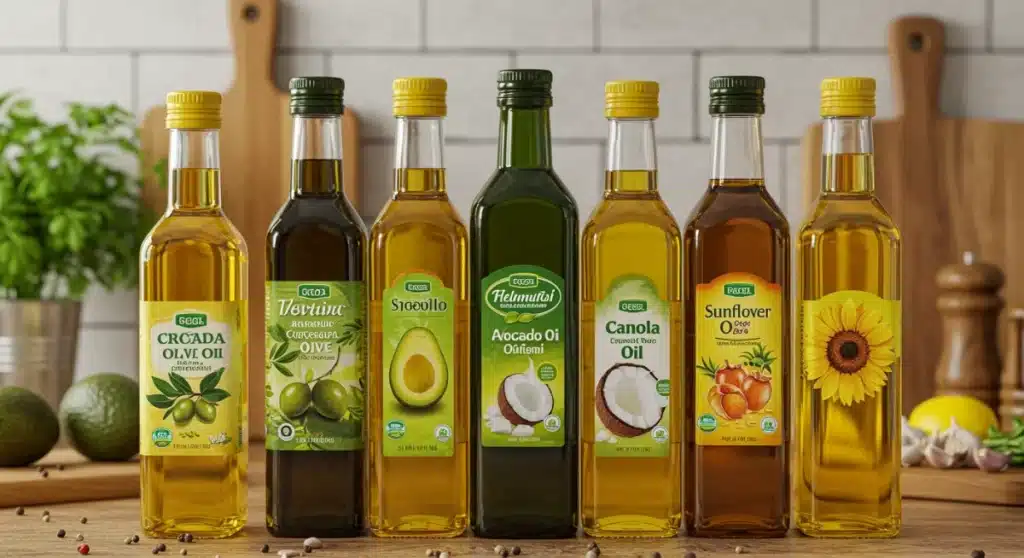
Navigating the grocery aisle can feel like a high-stakes chemistry test, but decoding healthy fats doesn’t have to be a chore. With the 2025–2030 Dietary Guidelines prioritizing “real food,” choosing the right lipid source is now the foundation of a modern, nutrient-dense kitchen.
Whether you are searing at high heat or drizzling over greens, the smoke point and fatty acid profile of your choice matter. Swapping processed blends for heart-healthy monounsaturated options or ancestral fats can transform your meals from inflammatory to restorative.
This guide simplifies the latest nutritional science into five essential staples for American homes. Discover how these versatile kitchen workhorses impact your metabolic wellness and which ones deserve a permanent spot next to your stove.
Understanding the Science Behind Healthy Fats in Cooking Oils
The science behind healthy fats is continually evolving, with new research frequently updating our understanding of how different oils impact the human body.
For consumers in US kitchens, this means staying informed about the latest recommendations regarding cooking oil selection.
Fats are not monolithic; they comprise various types, each with distinct chemical structures and physiological effects.
Monounsaturated and polyunsaturated fats, often labeled as ‘healthy fats,’ play crucial roles in heart health and inflammation regulation. Conversely, excessive intake of saturated and trans fats can pose health risks.
Understanding the fatty acid composition of cooking oils is fundamental to decoding healthy fats. This knowledge empowers individuals to make choices that align with their health goals, moving beyond generic health claims to specific nutritional benefits.
The Role of Monounsaturated Fats (MUFAs)
Monounsaturated fats are characterized by having one double bond in their fatty acid chain. These fats are known for their heart-healthy properties, including reducing bad cholesterol levels and lowering the risk of heart disease.
Oils rich in MUFAs are generally stable at higher cooking temperatures.
Olive oil and avocado oil are prime examples of cooking oils high in MUFAs. Their consistent presence in diets associated with longevity, such as the Mediterranean diet, underscores their health benefits. Incorporating these oils can be a simple yet effective strategy for enhancing dietary quality.
The Impact of Polyunsaturated Fats (PUFAs)
Polyunsaturated fats contain more than one double bond and are essential, meaning the body cannot produce them. These include Omega-3 and Omega-6 fatty acids, vital for brain function, cell growth, and reducing inflammation. However, the ratio of these fats is also significant.
Sunflower oil and canola oil are notable sources of PUFAs. While Omega-6s are abundant in many Western diets, Omega-3s are often deficient, making sources like flaxseed oil (though less common for high-heat cooking) or specific fish oils important.
Balancing these essential fats is key for optimal health.
Olive Oil: The Mediterranean Staple for US Kitchens
Olive oil stands as a cornerstone of the Mediterranean diet, widely celebrated for its robust flavor and extensive health benefits. Its popularity in US kitchens has surged due to increasing awareness of its monounsaturated fat content and antioxidant properties.
Extra virgin olive oil, in particular, is minimally processed, retaining a higher concentration of polyphenols and other beneficial compounds.
This makes it ideal for dressings, finishing dishes, and low-to-medium heat cooking. However, its lower smoke point compared to some other oils means it’s not always suitable for high-temperature frying.
The health advantages of olive oil are well-documented, including its ability to reduce inflammation, improve cardiovascular health, and potentially offer protective effects against certain chronic diseases. This makes it a top contender when decoding healthy fats.
Nutritional Profile and Best Uses
Olive oil is predominantly composed of oleic acid, a monounsaturated fatty acid. It also contains vitamins E and K, as well as a rich array of antioxidants. These components contribute to its anti-inflammatory and cardio-protective effects, making it a valuable addition to any diet.
For culinary applications, extra virgin olive oil excels in cold preparations like salad dressings, marinades, and dips. It can also be used for sautéing and baking at moderate temperatures.
For higher heat cooking, light olive oil, which has a higher smoke point, might be a better choice, though it has fewer antioxidants due to processing.
- High in Monounsaturated Fats: Primarily oleic acid, beneficial for heart health.
- Rich in Antioxidants: Contains polyphenols that combat oxidative stress.
- Best for: Dressings, marinades, sautéing, and baking at moderate temperatures.
- Considerations: Extra virgin has a lower smoke point; light olive oil for higher heat.
Avocado Oil: A Versatile Powerhouse for Healthy Cooking
Avocado oil has gained significant traction in US kitchens as a premium cooking oil, prized for its mild flavor, high smoke point, and impressive nutritional profile. It offers a versatile option for various culinary techniques, from high-heat searing to delicate dressings.
Rich in monounsaturated fats, similar to olive oil, avocado oil also contains vitamin E and other beneficial compounds.
Its ability to withstand high temperatures without breaking down makes it a healthier alternative for frying and roasting, where other oils might degrade and produce harmful compounds.
The neutral taste of avocado oil allows the natural flavors of food to shine through, making it a favorite among chefs and home cooks alike. This versatility and health benefits solidify its position in the ongoing discussion about decoding healthy fats.
Health Benefits and Culinary Applications
Avocado oil is an excellent source of oleic acid, which is associated with reduced inflammation and improved cholesterol levels. Its high vitamin E content provides antioxidant benefits, protecting cells from damage. These attributes contribute to its reputation as a heart-healthy choice.
Due to its exceptionally high smoke point (around 520°F or 271°C for refined avocado oil), it is ideal for high-heat cooking methods such as grilling, searing, and deep-frying.
Its mild taste also makes it suitable for salad dressings, mayonnaise, and even baking, offering a healthy fat alternative without altering the dish’s flavor.
- High Smoke Point: Excellent for all types of high-heat cooking.
- Rich in MUFAs and Vitamin E: Supports heart health and provides antioxidants.
- Neutral Flavor: Does not overpower food flavors, highly versatile.
- Uses: Frying, roasting, grilling, dressings, baking.
Coconut Oil: A Debated Fat in US Dietary Discussions
Coconut oil has been a subject of intense debate within the health and nutrition community, particularly regarding its place in a healthy diet.
While proponents laud its unique fatty acid composition and potential benefits, critics often point to its high saturated fat content as a concern.
Unlike other plant-based oils, coconut oil is predominantly composed of saturated fats, particularly medium-chain triglycerides (MCTs).
These MCTs are metabolized differently by the body, leading some to suggest they offer specific metabolic advantages, such as increased energy expenditure and potential weight management benefits.
However, the high saturated fat content means it should be consumed in moderation, especially for individuals concerned about cardiovascular health. This nuanced perspective is vital when decoding healthy fats.
MCTs and Saturated Fat Considerations
The primary saturated fatty acid in coconut oil is lauric acid, a type of MCT. While MCTs are quickly absorbed and converted into energy, the overall impact of high lauric acid intake on cholesterol levels remains a point of contention among experts.
Some studies suggest it can raise both HDL (good) and LDL (bad) cholesterol.
For cooking, virgin coconut oil has a distinct tropical flavor that can enhance certain dishes, particularly Asian or baked goods. Its relatively high smoke point (around 350°F or 175°C) makes it suitable for sautéing and baking.
Refined coconut oil has a more neutral flavor and a slightly higher smoke point.
- High Saturated Fat: Primarily MCTs, including lauric acid.
- Distinct Flavor: Virgin coconut oil has a tropical taste.
- Moderate Smoke Point: Suitable for sautéing and baking.
- Debate: Potential benefits of MCTs versus concerns over saturated fat intake.
Canola Oil: A Common Choice with Nutritional Benefits
Canola oil is one of the most widely consumed cooking oils in US kitchens, known for its neutral flavor, affordability, and favorable fatty acid profile.
Derived from the rapeseed plant, it has undergone significant genetic modification to reduce undesirable compounds and enhance its nutritional value.
It is particularly notable for its low saturated fat content and high proportion of monounsaturated fats (oleic acid), similar to olive oil. Canola oil is also a good source of alpha-linolenic acid (ALA), an Omega-3 fatty acid, which contributes to its heart-healthy reputation.
Despite some controversies surrounding its processing and genetic modification, canola oil remains a popular and accessible option for many households. Its balanced profile makes it a strong contender in any discussion about decoding healthy fats.
Fatty Acid Profile and Culinary Versatility
Canola oil boasts one of the lowest levels of saturated fat among common cooking oils, typically around 7%. It is rich in MUFAs (about 61%) and contains a good balance of Omega-6 and Omega-3 polyunsaturated fatty acids, with a ratio often considered healthier than many other oils.
With a smoke point of approximately 400°F (204°C), canola oil is highly versatile and suitable for a wide range of cooking methods, including frying, baking, roasting, and sautéing. Its neutral taste ensures it won’t alter the flavor of dishes, making it a staple in many recipes.
- Low Saturated Fat: One of the lowest among common cooking oils.
- Good Source of MUFAs and Omega-3: Heart-healthy profile.
- High Smoke Point: Versatile for most cooking applications.
- Neutral Flavor: Ideal for general cooking without flavor interference.
Sunflower Oil: A Polyunsaturated Option for Diverse Cooking Needs
Sunflower oil is a popular choice in US kitchens, valued for its light flavor and versatility. It is extracted from sunflower seeds and is primarily composed of polyunsaturated fats, specifically linoleic acid (an Omega-6 fatty acid).
The exact fatty acid composition can vary depending on the type of sunflower oil.
There are different varieties of sunflower oil, including high-linoleic, mid-oleic, and high-oleic.
High-oleic sunflower oil, in particular, has been developed to contain a higher percentage of monounsaturated fats, making it more stable for high-heat cooking and offering a healthier profile akin to olive or avocado oil.
For consumers seeking to understand the nuances of decoding healthy fats, recognizing these distinctions within sunflower oil is crucial. It allows for more precise dietary choices based on specific needs and cooking applications.
Varieties and Health Implications
Traditional high-linoleic sunflower oil is rich in Omega-6 fatty acids. While essential, an imbalance with Omega-3s can contribute to inflammation.
High-oleic sunflower oil, however, is bred to contain over 80% oleic acid (a MUFA), making it more stable and beneficial for heart health, with a higher smoke point.
High-oleic sunflower oil has a smoke point of around 450°F (232°C), making it suitable for frying, roasting, and other high-temperature cooking.
Its neutral flavor also makes it an excellent choice for general cooking and baking. Consumers should check labels to identify the specific type of sunflower oil they are purchasing to align with their dietary goals.
- Polyunsaturated Fats: High-linoleic is rich in Omega-6; high-oleic is rich in MUFAs.
- Versatile: Light flavor suits various dishes.
- High Smoke Point: Especially high-oleic varieties for high-heat cooking.
- Check Labels: Different varieties offer distinct nutritional profiles.
| Oil Type | Key Characteristics |
|---|---|
| Olive Oil | High MUFAs, antioxidants, best for low-med heat. |
| Avocado Oil | High MUFAs, high smoke point, neutral flavor. |
| Coconut Oil | High saturated fat (MCTs), distinct flavor, moderate heat. |
| Canola Oil | Low saturated fat, good MUFA/PUFA balance, versatile. |
Frequently Asked Questions About Cooking Oils
For high-heat cooking, avocado oil and high-oleic sunflower oil are excellent choices due to their high smoke points. These oils remain stable at elevated temperatures, preventing the formation of harmful compounds and preserving their nutritional integrity, which is crucial for decoding healthy fats.
The health benefits of coconut oil are debated. While it contains MCTs that metabolize differently, its high saturated fat content raises concerns for cardiovascular health. Moderation is key, and it’s essential to consider individual health profiles when incorporating it into your diet.
Both olive oil and avocado oil are rich in monounsaturated fats. However, avocado oil has a significantly higher smoke point, making it more suitable for high-heat cooking. Olive oil, especially extra virgin, is prized for its distinct flavor and antioxidants, ideal for dressings and low-heat applications.
Yes, canola oil is generally considered a healthy option due to its low saturated fat content and favorable balance of monounsaturated and polyunsaturated fats, including Omega-3s. Its neutral flavor and high smoke point make it versatile for various cooking methods, contributing positively to decoding healthy fats.
Choosing the right cooking oil depends on your cooking method, desired flavor, and health goals. For high-heat, opt for avocado or high-oleic sunflower. For dressings, extra virgin olive oil is ideal. Consider the fatty acid profile and smoke point to make an informed decision that aligns with your dietary needs.
What this teaches
The detailed comparison of cooking oils offers critical insights into making informed dietary choices for US kitchens. Understanding the fatty acid profiles, smoke points, and culinary applications of each oil is fundamental to healthy eating.
This knowledge empowers consumers to select oils that not only enhance flavor but also contribute to overall well-being. The ongoing discussion about decoding healthy fats underscores the dynamic nature of nutritional science and the importance of staying updated.