Budget-Friendly Nutrition: Cut Food Bills 10% Without Sacrificing Health
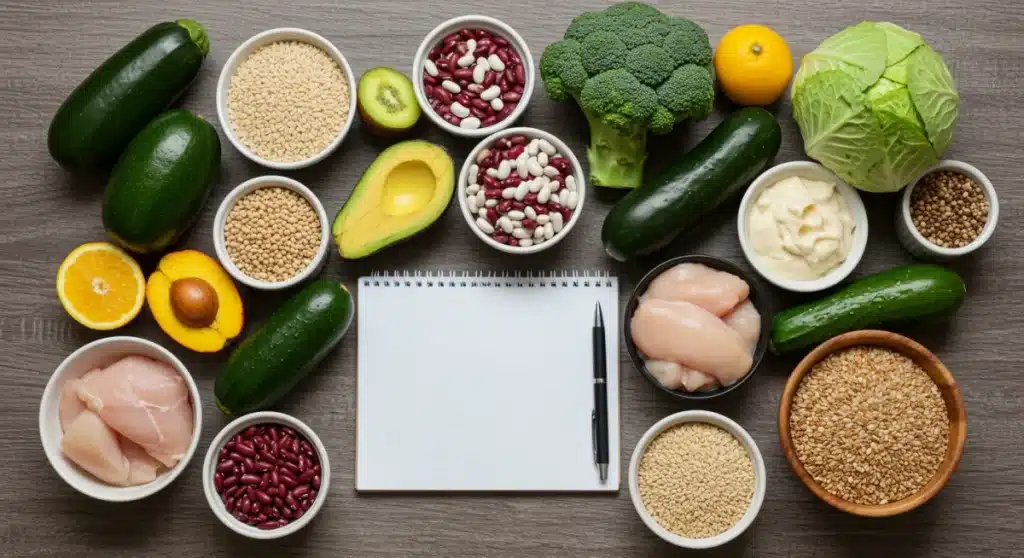
Eating well shouldn’t feel like a luxury, yet grocery receipts tell a different story lately. Master the art of Budget-Friendly Nutrition to reclaim your kitchen without draining your bank account or settling for processed junk.
The latest industry shifts reveal that slashing your food costs by 10% is entirely achievable through smarter sourcing. By focusing on nutrient-dense, affordable staples, you can maintain a high-quality diet while resisting inflationary pressures.
This guide breaks down actionable tactics to optimize your pantry and grocery habits for maximum value. Discover how small, strategic adjustments in your shopping routine lead to substantial savings and better long-term wellness.
Understanding the Current Landscape of Food Costs
Food prices have seen a steady increase across the United States, impacting families from all income brackets. Understanding the factors driving these costs is the first step toward implementing effective budget-friendly nutrition strategies.
Inflation, supply chain disruptions, and labor shortages have all contributed to the current economic environment. These external pressures necessitate a more strategic approach to grocery shopping and meal preparation.
Consumers are increasingly turning to data and expert advice to navigate these challenges. The goal is to maximize nutritional intake while minimizing financial outlay, making budget-friendly nutrition a top priority.
Inflation’s Impact on the Grocery Cart
According to the Bureau of Labor Statistics, food prices have consistently climbed over the past year, with some categories experiencing double-digit increases. This trend directly affects the feasibility of maintaining a healthy diet on a limited budget.
The impact is felt most acutely in fresh produce and protein categories, traditionally considered cornerstones of a balanced diet. Consequently, consumers must adapt their shopping habits to achieve budget-friendly nutrition.
This economic reality underscores the urgency for practical solutions that empower individuals to make informed choices without compromising their health or financial stability.
- Identify high-cost items in your usual shopping list.
- Research seasonal produce for better pricing.
- Compare unit prices across different brands and stores.
Supply Chain Issues and Product Availability
Disruptions in global and domestic supply chains have led to sporadic availability of certain products, further complicating budget planning. This unpredictability often forces last-minute substitutions that can be more expensive.
The reliance on international imports for some food items means that geopolitical events can also directly influence local grocery prices. This interconnectedness highlights the complexity of ensuring budget-friendly nutrition.
Being flexible and having alternative ingredients in mind can mitigate the impact of these issues. Planning meals around readily available and affordable ingredients is a key strategy for budget-conscious consumers.
Strategic Meal Planning for Budget-Friendly Nutrition
Effective meal planning is arguably the most powerful tool in achieving budget-friendly nutrition. It eliminates impulse purchases, reduces food waste, and ensures that every dollar spent contributes to a healthy diet.
A well-thought-out meal plan can streamline your grocery trips and minimize the temptation to order takeout. This proactive approach is fundamental to cutting your weekly food bill by 10% without sacrificing health.
By mapping out meals for the week, you gain control over your food choices and spending. This strategic foresight is essential for anyone serious about budget-friendly nutrition.
Creating a Weekly Meal Plan
Start by assessing your pantry and refrigerator contents to avoid buying duplicates. Build your meal plan around ingredients you already have, then create a precise shopping list for what you need.
Incorporate versatile ingredients that can be used in multiple dishes throughout the week. For example, a large batch of cooked quinoa or roasted vegetables can serve as a base for several meals, promoting budget-friendly nutrition.
Consider theme nights, such as ‘Meatless Mondays’ or ‘Taco Tuesdays,’ to simplify planning and introduce variety. This structured approach helps maintain interest while adhering to your budget-friendly nutrition goals.
Batch Cooking and Freezing for Efficiency
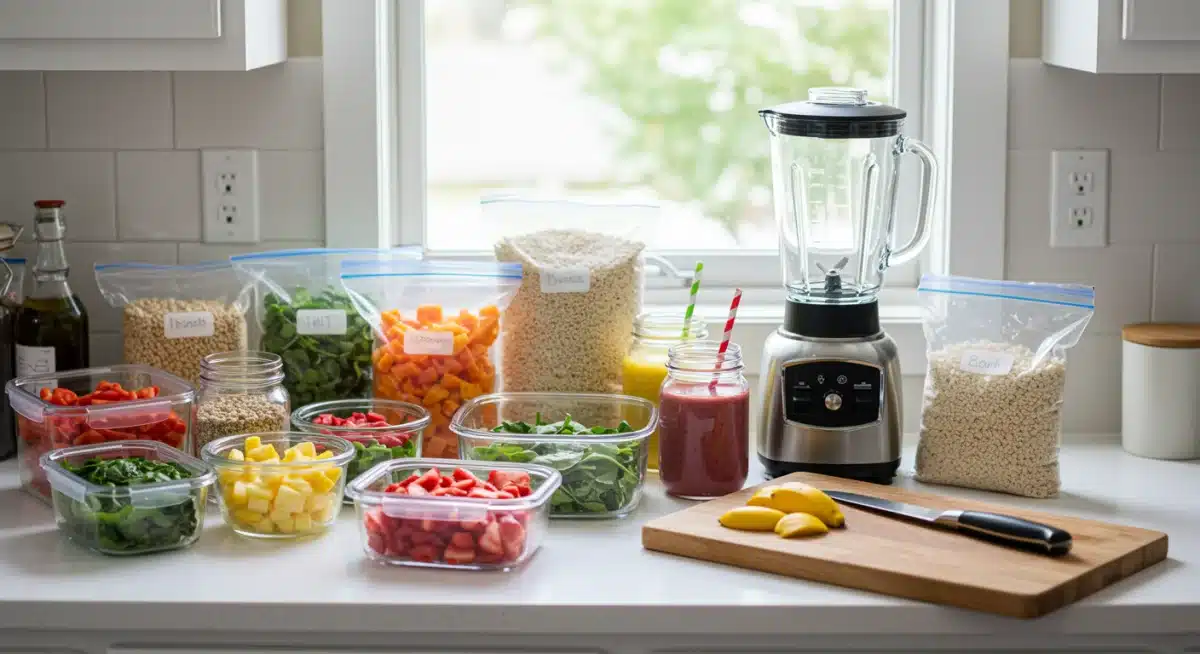
Preparing larger quantities of staple foods or entire meals in advance can save significant time and money. Batch cooking allows you to buy ingredients in bulk, which often comes with a cost advantage, directly supporting budget-friendly nutrition.
Once cooked, portions can be stored in the refrigerator for immediate consumption or frozen for later use. This prevents food spoilage and ensures healthy, homemade meals are always readily available, reducing reliance on expensive convenience foods.
Freezing prepared meals or ingredients is an excellent way to extend their shelf life and maintain nutritional value. This practice is a cornerstone of efficient and budget-friendly nutrition, providing flexibility and convenience.
- Cook large portions of grains, legumes, and proteins.
- Portion meals into individual containers for easy grab-and-go options.
- Label and date all frozen items for optimal organization.
Smart Shopping Strategies for Budget-Friendly Nutrition
Navigating the grocery store with a clear strategy is paramount to achieving budget-friendly nutrition. Without a plan, it’s easy to fall prey to marketing tactics and impulse buys that inflate your bill.
Smart shopping involves more than just looking for sales; it encompasses understanding pricing, utilizing loyalty programs, and choosing the right stores. These habits are crucial for cutting your weekly food bill by 10% without sacrificing health.
Every decision made in the store can either contribute to or detract from your financial and nutritional goals. Adopting these strategies will significantly enhance your budget-friendly nutrition efforts.
Leveraging Sales, Coupons, and Loyalty Programs
Always check weekly flyers and digital coupons before heading to the store. Many supermarkets offer personalized deals through their loyalty programs that can lead to substantial savings on items you regularly purchase.
Stock up on non-perishable staples when they are on sale, but only if they are items you genuinely use. Over-buying can lead to waste, negating any potential savings from budget-friendly nutrition efforts.
Consider price matching policies if your local stores offer them. This allows you to get the best price without having to visit multiple locations, streamlining your pursuit of budget-friendly nutrition.

Shopping at Discount Stores and Farmers’ Markets
Discount grocery stores often provide significantly lower prices on a wide range of products compared to conventional supermarkets. While selection might vary, these stores are excellent for finding deals on pantry staples and some fresh produce.
Farmers’ markets can be a goldmine for fresh, seasonal produce at competitive prices, especially towards the end of the market day. Buying directly from growers often means fresher food and supporting local economies, a win-win for budget-friendly nutrition.
Always compare prices and quality across different shopping venues to ensure you are getting the best value. A diverse shopping approach can significantly contribute to your budget-friendly nutrition goals.
- Explore discount grocery chains like Aldi or Lidl.
- Visit local farmers’ markets for seasonal produce.
- Consider ethnic markets for specialty ingredients at lower prices.
Maximizing Value with Whole Foods and DIY
Choosing whole, unprocessed foods is a cornerstone of both healthy eating and budget-friendly nutrition. These items are often cheaper per serving and provide more nutritional density than their processed counterparts.
Embracing a ‘do-it-yourself’ approach to food preparation can also unlock significant savings. Making things from scratch, rather than buying pre-made, gives you control over ingredients and costs.
This shift in mindset not only supports budget-friendly nutrition but also enhances cooking skills and provides a deeper appreciation for the food you consume.
Cooking from Scratch: The Budget-Friendly Advantage
Pre-cut vegetables, pre-marinated meats, and convenience meals come with a premium price tag. By taking a few extra minutes to chop, mix, and cook yourself, you can save a considerable amount of money.
Making your own sauces, dressings, and snacks also allows you to avoid unhealthy additives and control sodium and sugar content. This homemade approach is central to achieving budget-friendly nutrition while maintaining health standards.
Even simple changes, like baking your own bread or preparing your own oatmeal packets, can add up to substantial savings over time. These small efforts contribute significantly to overall budget-friendly nutrition.
Embracing Legumes, Grains, and Seasonal Produce
Legumes like beans, lentils, and chickpeas are incredibly affordable, versatile, and packed with protein and fiber. They can serve as excellent meat substitutes, significantly reducing your protein costs while boosting your budget-friendly nutrition.
Whole grains such as brown rice, oats, and quinoa are also inexpensive staples that provide sustained energy and essential nutrients. Buying them in bulk can further enhance their cost-effectiveness.
Prioritizing seasonal fruits and vegetables not only ensures freshness and better flavor but also typically means lower prices. These seasonal choices are a smart way to maintain budget-friendly nutrition.
Minimizing Food Waste: A Key to Budget-Friendly Nutrition
Food waste is a significant drain on household finances and a major environmental concern. Reducing what you throw away is an immediate and effective way to cut your food bill and improve budget-friendly nutrition.
Many perfectly edible food items are discarded due to improper storage, misunderstanding expiration dates, or simply buying too much. Addressing these issues can unlock substantial savings.
Implementing strategies to utilize every part of your ingredients contributes directly to your goal of budget-friendly nutrition. Every bit saved is a bit earned back into your budget.
Proper Storage and Understanding Expiration Dates
Learning the correct way to store different types of food can significantly extend their shelf life. Proper refrigeration, freezing, and pantry organization prevent premature spoilage and maintain quality, essential for budget-friendly nutrition.
Distinguish between ‘best by,’ ‘sell by,’ and ‘use by’ dates. ‘Best by’ often indicates peak quality, not safety, meaning many foods are safe to consume well past this date, contributing to less waste and better budget-friendly nutrition.
Implementing a ‘first in, first out’ system in your pantry and fridge ensures older items are used before they expire. This simple practice is highly effective in reducing waste and supporting budget-friendly nutrition.
Creative Uses for Leftovers and Scraps
Transforming leftovers into new, exciting meals is an art form that also serves as a powerful budget-friendly nutrition strategy. A roast chicken can become tacos, soup, or a salad over several days.
Vegetable scraps can be saved to make flavorful homemade broths, eliminating the need for store-bought versions. Fruit that is slightly past its prime can be used in smoothies, baked goods, or compotes.
Even seemingly unusable parts of vegetables, like carrot tops or beet greens, can often be incorporated into pestos or stir-fries. This creative approach maximizes the value of every purchase, reinforcing budget-friendly nutrition.
Building a Resilient Pantry for Budget-Friendly Nutrition
A well-stocked pantry of shelf-stable essentials is a strategic asset for budget-friendly nutrition. It provides a foundation for meals, reduces last-minute emergency grocery runs, and allows you to capitalize on sales.
Having a variety of grains, legumes, canned goods, and spices on hand means you’re always ready to whip up a nutritious meal. This preparedness is key to avoiding expensive convenience foods.
Investing in pantry staples is a smart long-term strategy that supports consistent budget-friendly nutrition. It ensures you have the building blocks for healthy meals, even when fresh options are limited or costly.
Essential Pantry Staples to Keep On Hand
Stock your pantry with items like dried beans, lentils, rice, pasta, and oats. These are inexpensive, have a long shelf life, and form the base of countless healthy and budget-friendly meals.
Canned goods such as diced tomatoes, corn, peas, and tuna or salmon are excellent for quick additions to meals. They offer nutritional value and convenience without a high price tag, aiding budget-friendly nutrition.
Don’t forget spices, herbs, and cooking oils. Buying these in larger quantities can be more cost-effective in the long run and elevate the flavor of your budget-friendly nutrition creations.
| Key Strategy | Benefit for Budget-Friendly Nutrition |
|---|---|
| Meal Planning | Reduces impulse buys and food waste, ensures healthy choices. |
| Smart Shopping | Utilizes sales, coupons, and cost-effective stores for maximum savings. |
| Minimize Waste | Extends food life, repurposes leftovers, and saves money. |
| Cook from Scratch | Avoids costly pre-made items and controls ingredients for healthier outcomes. |
Frequently Asked Questions About Budget-Friendly Nutrition
Start by creating a strict meal plan and shopping list, and stick to it. Avoid impulse buys, utilize coupons, and focus on cooking more meals at home. These immediate actions are crucial for achieving budget-friendly nutrition and seeing quick savings.
Absolutely. Eating healthy on a budget is entirely feasible by prioritizing whole, unprocessed foods like legumes, grains, and seasonal produce. These are often more affordable and nutritionally dense than packaged, processed options, supporting budget-friendly nutrition effectively.
Excellent choices for budget-friendly nutrition include dried beans, lentils, brown rice, oats, eggs, frozen vegetables, and seasonal fruits. These staples are versatile, inexpensive, and packed with essential nutrients, forming the base of many healthy meals.
Meal prepping saves money by reducing food waste, preventing expensive last-minute food purchases, and allowing you to buy ingredients in bulk. It ensures you have healthy, homemade meals readily available, reinforcing budget-friendly nutrition and financial discipline.
Food waste significantly inflates your food bill. By properly storing food, understanding expiration dates, and creatively using leftovers, you can drastically reduce what you throw away. Minimizing waste is a direct path to more effective budget-friendly nutrition.
Looking Ahead: Sustaining Budget-Friendly Nutrition
The strategies outlined for Budget-Friendly Nutrition are not one-time fixes but ongoing practices. Sustaining these habits requires consistency and adaptability as market conditions evolve.
Consumers should continue to monitor local food prices, explore new recipes that prioritize affordable ingredients, and refine their meal planning skills. The landscape of food economics is dynamic, necessitating a proactive stance.
By integrating these approaches into daily life, individuals can not only achieve their immediate goal of reducing food expenses but also foster a more sustainable and healthier lifestyle for the long term. This commitment to budget-friendly nutrition yields enduring benefits.