Advocacy in Action: 2026 Opportunities to Influence Plastic-Free Policy at the State and Federal Levels
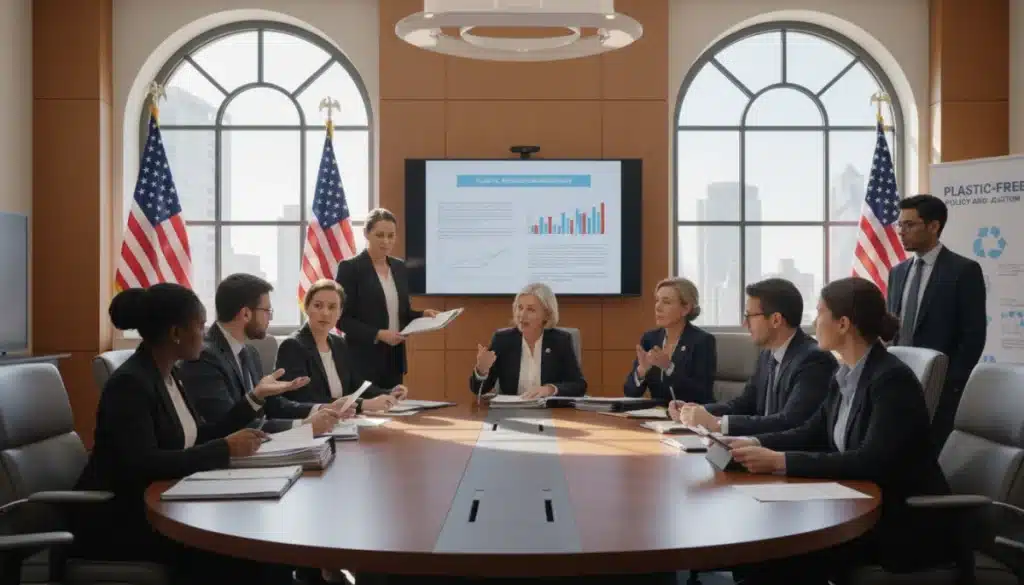
The window for meaningful Advocacy in Action is swinging wide as 2026 approaches, offering a rare alignment for plastic-free reform. Strategic mobilization at both state and federal levels is no longer just an aspiration, it is the current legislative priority.
Success requires precise civic engagement and a deep understanding of the regulatory shifts currently gaining momentum across the United States. By tracking these high-stakes policy windows, change-makers can effectively influence the statutory frameworks of tomorrow.
This briefing highlights urgent intervention points and insider intelligence designed to maximize your grassroots influence. Stay ahead of the curve as we navigate the critical milestones necessary to secure a sustainable, plastic-free future.
Understanding the 2026 Legislative Landscape
The year 2026 is poised to be a critical period for environmental legislation, particularly concerning plastic pollution.
State legislatures and federal bodies are increasingly responsive to public demand for sustainable solutions. This heightened awareness creates fertile ground for proactive plastic-free policy advocacy.
Several states are already drafting comprehensive bills targeting single-use plastics, packaging waste, and producer responsibility. These initiatives often build upon existing regulations, seeking to expand their scope and effectiveness.
Federal discussions also continue, with potential for national frameworks or incentives that could significantly impact the plastic industry.
Advocates must closely monitor legislative calendars and committee hearings to identify entry points for influence. Early engagement with policymakers and their staff can shape the direction of proposed legislation.
Effective plastic-free policy advocacy relies on timely and strategic intervention in these formative stages.
Key State-Level Advocacy Pathways
State governments often serve as laboratories for innovative environmental policies, making them crucial arenas for plastic-free policy advocacy.
Success at the state level can create precedents and build momentum for federal action. Identifying and engaging with key state legislators and environmental committees is essential.
Many states are considering extended producer responsibility (EPR) laws, which shift the financial and operational burden of managing packaging waste from municipalities to producers.
These policies are complex but offer significant potential for reducing plastic waste. Advocates should focus on educating lawmakers about the benefits and feasibility of robust EPR frameworks.
Furthermore, bans on specific single-use plastic items, such as bags, straws, and foam containers, continue to be a focus in various states.
While seemingly small, these measures can significantly reduce visible plastic pollution and raise public awareness. Sustained plastic-free policy advocacy at this level is vital to maintain progress.
Targeting State Legislative Sessions
Each state operates on its own legislative schedule, with bill introduction deadlines and committee review periods. Advocates need to be acutely aware of these timelines to effectively introduce or amend legislation. Missing a key deadline can delay efforts by an entire session.
- Identify your state’s legislative calendar for 2026.
- Pinpoint key committees responsible for environmental or business regulations.
- Engage with legislative aides and committee chairs early in the process.
- Prepare concise, data-driven briefs outlining the benefits of proposed policies.
Successful plastic-free policy advocacy at the state level requires a combination of research, relationship-building, and strategic timing. The ability to present clear, actionable proposals to lawmakers is paramount.
Building Coalitions for Local Impact
Local advocacy plays a pivotal role in supporting state-level initiatives and can often lead to quicker implementation of plastic reduction measures.
Forming broad coalitions with community groups, businesses, and environmental organizations amplifies impact. These local efforts demonstrate widespread public support for plastic-free policies.
Community-level campaigns can raise awareness and build political will for stricter regulations. Organizing local clean-up events, educational workshops, and public forums can galvanize support.
This grassroots engagement is a powerful tool in plastic-free policy advocacy, showing legislators the tangible demand for change.
When local ordinances are passed, they can serve as models for statewide legislation. Demonstrating successful implementation and positive community outcomes at a municipal level provides compelling evidence for broader adoption.
This phased approach can be highly effective in advancing the plastic-free agenda.
Navigating Federal Policy Opportunities
While state actions are crucial, federal policy offers the potential for widespread, systemic change in plastic reduction. Federal legislation can establish national standards, provide funding for recycling infrastructure, and regulate plastic production at a larger scale.
This makes federal plastic-free policy advocacy a high-stakes endeavor.
Congress is continually exploring various approaches, including a national EPR framework, federal bans on certain plastics, and investments in sustainable alternatives.
The political climate often dictates the feasibility of these initiatives, making constant monitoring and strategic engagement essential. Advocates must understand the nuances of federal legislative processes.
Engaging with federal agencies, such as the Environmental Protection Agency (EPA) and the Department of Commerce, can also influence regulatory guidance and enforcement.
These agencies often issue rules that implement broader legislative mandates. Effective plastic-free policy advocacy involves both legislative and regulatory engagement.
Engaging Congressional Committees
Key congressional committees, such as those on Environment and Public Works, and Energy and Commerce, wield significant influence over federal environmental legislation.
Submitting testimony, providing expert analysis, and participating in public comment periods are vital. These actions help shape the language and intent of proposed bills.
Lobbying efforts, when conducted ethically and transparently, can also be instrumental. Connecting with congressional representatives and their staff to discuss the economic and environmental benefits of plastic-free policies is crucial.
Building bipartisan support is often necessary for federal initiatives to succeed.
The intricate dance of federal policymaking requires patience, persistence, and a deep understanding of legislative procedures.
Successful plastic-free policy advocacy at this level demands a coordinated approach from a diverse set of stakeholders. The window for influence is often narrow but impactful.
Influencing Federal Agencies and Budgets
Beyond direct legislation, federal agencies play a significant role in implementing and enforcing environmental policies. Advocating for strong regulatory frameworks and adequate funding for plastic reduction programs is paramount. Agencies like the EPA, FDA, and NOAA are key players.
Public comment periods on proposed rules and regulations offer a direct avenue for citizen input. Providing detailed, science-backed feedback can influence the final shape of these regulations.
This form of plastic-free policy advocacy ensures that legislative intent translates into effective action.
Furthermore, influencing federal budget allocations can direct resources towards research, development, and deployment of plastic alternatives and recycling infrastructure.
Engaging with appropriations committees can secure crucial funding. This dual approach of legislative and budgetary advocacy maximizes impact.
Insider Knowledge: Time-Sensitive Strategies for 2026
The effectiveness of plastic-free policy advocacy in 2026 will largely depend on understanding and leveraging time-sensitive opportunities.
Political cycles, legislative deadlines, and public attention spans all create windows of opportunity. Proactive engagement is far more effective than reactive responses.
Monitoring news regarding upcoming elections and changes in political leadership is vital, as new administrations often bring shifts in policy priorities.
Anticipating these changes allows advocates to position their issues strategically. This forward-looking approach is a hallmark of successful plastic-free policy advocacy.
Additionally, major environmental reports, scientific studies, or high-profile events can create a surge in public and media attention.
Capitalizing on these moments to amplify calls for plastic-free policies can significantly boost advocacy efforts. Preparedness is key to seizing these fleeting opportunities.
Early Engagement with Policymakers
Establishing relationships with policymakers and their staff before legislative sessions begin can significantly influence outcomes.
Early conversations allow advocates to introduce their concerns and proposed solutions without the pressure of an active legislative debate. This groundwork is invaluable for plastic-free policy advocacy.
- Schedule introductory meetings with new and returning legislators.
- Provide concise background materials on plastic pollution and solutions.
- Offer to serve as a resource for information and expert testimony.
- Understand the specific interests and priorities of each lawmaker.
These early engagements help build trust and ensure that plastic-free policy proposals are considered from the outset. It’s a proactive step that can yield significant dividends as legislative processes unfold.
Leveraging Public Support and Media Attention
Public opinion is a powerful force in shaping policy, especially when amplified through effective media engagement. Campaigns that clearly communicate the urgency and impact of plastic pollution can galvanize widespread support.
This public backing is essential for successful plastic-free policy advocacy.
Utilizing social media, traditional news outlets, and community forums can raise the profile of plastic-free initiatives.
Sharing compelling stories, data, and calls to action encourages citizen participation. A well-executed media strategy can create a groundswell of support that policymakers cannot ignore.
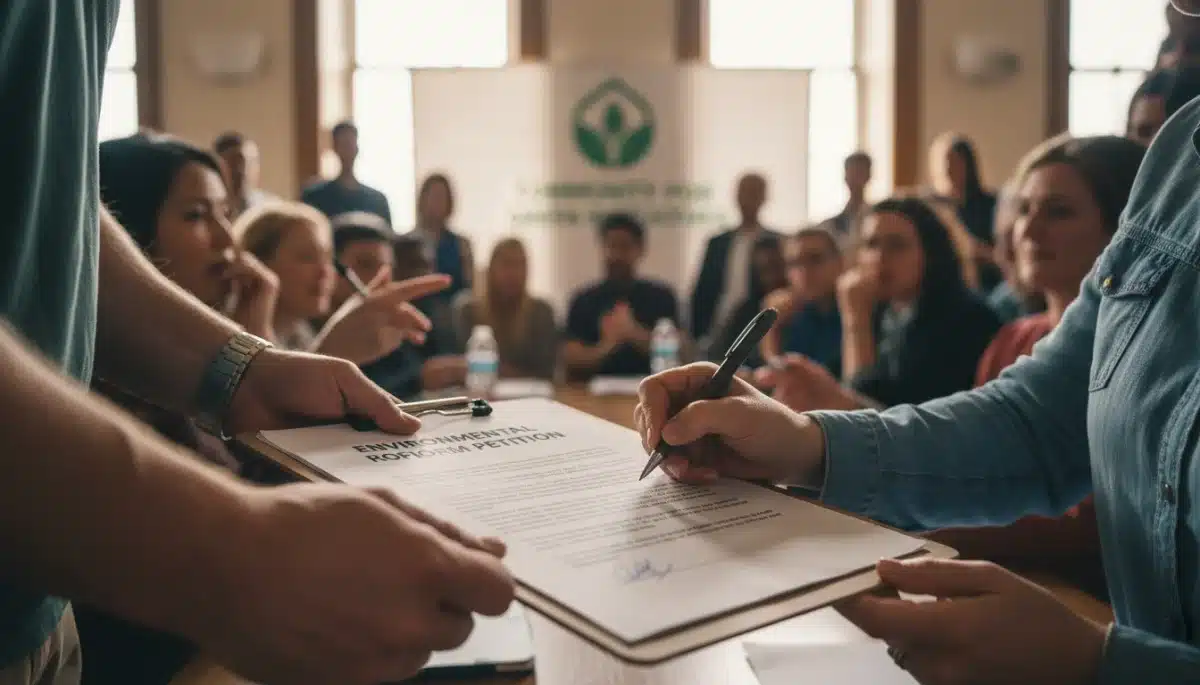
Organizing public demonstrations or petition drives can visually demonstrate the depth of public concern. When citizens actively engage, it sends a clear message to elected officials.
Harnessing this collective voice is a critical component of any effective plastic-free policy advocacy campaign.
Building Effective Advocacy Coalitions
No single organization or individual can achieve significant policy change alone. Building diverse and robust advocacy coalitions is fundamental for amplifying impact and achieving legislative success.
These partnerships bring together varied expertise, resources, and constituencies, strengthening the overall plastic-free policy advocacy movement.
Coalitions can include environmental non-profits, business associations committed to sustainability, scientific experts, and community leaders.
Each member brings a unique perspective and set of skills, contributing to a more comprehensive and persuasive advocacy effort. Collaborative strategies often lead to more innovative and widely accepted policy solutions.
Effective coalition-building involves clear communication, shared goals, and a willingness to compromise on minor points for the greater good.
These alliances demonstrate broad support for plastic-free policies, making it harder for opposition to dismiss the movement as niche or extremist. The power of collective action is undeniable.
Partnering with Industry Leaders
Engaging with forward-thinking businesses and industry associations can transform plastic-free policy advocacy from an adversarial process into a collaborative one.
Many companies are recognizing the economic and reputational benefits of sustainable practices. Partnering with these leaders can provide invaluable insights and resources.
- Identify companies with existing sustainability commitments.
- Collaborate on pilot programs or voluntary initiatives that demonstrate feasibility.
- Encourage industry leaders to publicly support proposed legislation.
- Highlight economic benefits and innovation opportunities for businesses.
When industry voices join advocates in calling for change, it adds significant credibility and practicality to policy proposals. This collaborative approach can overcome traditional resistance and accelerate the adoption of plastic-free policies.
Grassroots Mobilization and Community Engagement
The power of grassroots mobilization cannot be overstated in plastic-free policy advocacy. Engaging local communities directly, educating them on the impacts of plastic pollution, and empowering them to act creates a formidable force for change.
This bottom-up approach complements top-down legislative efforts.
Organizing town halls, workshops, and local clean-up events directly connects policy issues to community well-being.
When individuals see the tangible benefits of plastic reduction, they become passionate advocates. This direct engagement builds a strong foundation of public support that resonates with local and state policymakers.
Encouraging citizens to contact their representatives, write letters to the editor, and participate in public hearings ensures that their voices are heard.
This active participation demonstrates a clear mandate for action. Strong community engagement is the backbone of successful plastic-free policy advocacy.
Anticipating and Countering Opposition
Advocacy for plastic-free policies inevitably faces opposition from industries that benefit from the status quo. Anticipating their arguments and preparing well-researched rebuttals is a critical aspect of effective plastic-free policy advocacy.
Understanding the sources and nature of opposition allows for proactive strategy development.
Common arguments against plastic reduction policies include concerns about economic impact, consumer inconvenience, and the availability of viable alternatives.
Advocates must be prepared to present data-driven counter-arguments that highlight the long-term economic benefits, environmental necessity, and innovative solutions already in development.
Transparency and factual accuracy are paramount when countering opposition. Relying on scientific consensus, economic analyses, and successful case studies from other regions strengthens the advocate’s position.
This strategic foresight ensures that plastic-free policy advocacy remains credible and persuasive in the face of resistance.
Addressing Economic Concerns
Opponents often raise concerns about the economic costs of transitioning away from plastics, citing potential job losses or increased consumer prices. Advocates must be ready to present compelling economic arguments that highlight the benefits of plastic-free policies.
This includes showcasing the growth of green jobs and the long-term cost savings associated with reduced pollution.
Many studies illustrate that the environmental costs of plastic pollution, including cleanup, health impacts, and damage to fisheries, far outweigh the costs of prevention.
Presenting these comprehensive economic analyses can shift the narrative. Emphasizing the innovative opportunities for new businesses and sustainable materials also counters the narrative of economic decline.
Furthermore, highlighting successful transitions in other cities or states demonstrates that economic vitality can coexist with strong environmental regulations.
Providing real-world examples helps to alleviate fears and shows that plastic-free policies are not only environmentally sound but also economically feasible. This nuanced approach strengthens plastic-free policy advocacy.
Debunking Misinformation and Greenwashing
The spread of misinformation and greenwashing tactics by opposing forces can undermine plastic-free policy advocacy efforts.
Advocates must be vigilant in identifying and debunking false claims or misleading marketing. Providing accurate, verifiable information is essential for maintaining public trust and policy integrity.
Educating the public and policymakers about the true environmental impact of different materials, and exposing deceptive sustainability claims, helps to clarify the debate.
Partnering with scientific experts and reputable research institutions can provide authoritative counterpoints to misinformation. This commitment to truth is vital.
Creating easily digestible fact sheets, infographics, and public service announcements can effectively communicate accurate information to a broad audience.
Proactive communication strategies ensure that the public is well-informed and less susceptible to misleading narratives. This vigilance is a core component of effective plastic-free policy advocacy.
Measuring Impact and Sustaining Momentum
Measuring the impact of plastic-free policy advocacy is essential for demonstrating success, securing future funding, and sustaining momentum.
Tracking legislative progress, assessing the implementation of new policies, and evaluating environmental outcomes provides crucial feedback. This data-driven approach strengthens future advocacy efforts.
Establishing clear metrics, such as the number of bills introduced, policies passed, or tons of plastic waste reduced, allows advocates to quantify their achievements.
Sharing these successes with stakeholders, policymakers, and the public helps to build confidence and encourages continued support for the plastic-free movement. This accountability is key.
Sustaining momentum requires continuous engagement, adaptability, and a long-term vision. The fight against plastic pollution is ongoing, and advocacy efforts must evolve with new challenges and opportunities.
A persistent and strategic approach will continue to drive progress towards a truly plastic-free future.
| Key Point | Brief Description |
|---|---|
| 2026 Opportunities | Critical legislative windows at state and federal levels for plastic-free policy advocacy. |
| State-Level Impact | Focus on EPR laws and single-use plastic bans, vital for grassroots influence. |
| Federal Pathways | Engaging Congress and agencies for national standards and funding. |
| Time-Sensitive Action | Early engagement and leveraging public support are key for effective advocacy. |
Frequently Asked Questions About Plastic-Free Policy Advocacy
The year 2026 presents a confluence of factors, including increasing public awareness, ongoing legislative cycles at both state and federal levels, and growing corporate interest in sustainability. This creates a fertile environment for advancing plastic-free policies and securing legislative wins, making timely intervention critical for effective advocacy.
Individuals can contribute by contacting their elected officials, participating in local advocacy groups, signing petitions, and staying informed about proposed legislation. Supporting organizations active in plastic-free policy advocacy also provides crucial resources. Every voice adds to the collective pressure needed for significant policy changes.
Key challenges include strong industry lobbying from plastic producers, concerns over economic impacts, and the complexity of developing comprehensive, enforceable policies. Overcoming these requires sustained plastic-free policy advocacy, robust scientific evidence, broad coalition-building, and effective communication to counter misinformation and greenwashing tactics.
EPR is a critical component of plastic-free policy, shifting the financial and operational responsibility for managing product waste from municipalities to producers. This incentivizes companies to design products that are more sustainable, recyclable, and reusable. Advocates are pushing for strong EPR laws at state and federal levels to drive systemic change in plastic waste management.
Leveraging insider knowledge involves understanding legislative timelines, identifying key decision-makers, and anticipating political shifts. Early engagement with policymakers, strategic coalition-building, and data-driven arguments are crucial. This proactive approach allows advocates to shape legislation from its inception, maximizing the chances for successful plastic-free policy outcomes.
Next Steps for Plastic-Free Policy Advocacy
The opportunities within Advocacy in Action are significant, but they demand strategic and timely engagement.
Advocates should focus on continued vigilance over legislative developments, strengthening coalitions, and effectively communicating the urgent need for plastic-free policies.
The coming year will be pivotal in shaping the future of plastic pollution, requiring sustained effort and adaptability from all stakeholders.
Monitoring policy implementation and celebrating successes will be crucial to maintaining momentum toward a truly plastic-free world.