Cut Your Plastic Footprint 20% Annually: US Household Strategies
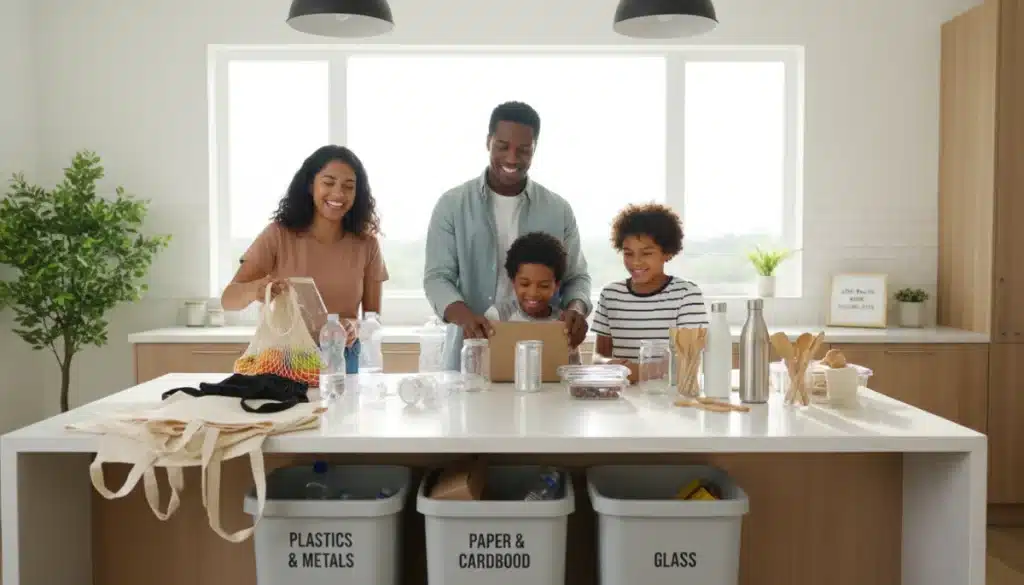
Reducing Plastic Footprint as environmental groups and consumer advocates push for more sustainable consumption habits in 2026. Recent data from the United States Environmental Protection Agency continues to highlight the long-term environmental and financial impact of single-use plastics, particularly in packaging and food-related waste.
In the field of environmental sustainability, experts recommend focusing on reusable household products, bulk purchasing, refill systems, and reduced packaging consumption to achieve measurable reductions in plastic waste. Studies also show that replacing disposable products with durable alternatives can lower long-term household expenses while reducing landfill contributions and pollution.
Looking ahead, consumers should monitor upcoming state-level packaging regulations, retailer sustainability initiatives, and advancements in biodegradable materials. Analysts expect stricter environmental policies and broader adoption of low-waste consumer practices to play a major role in reshaping household consumption patterns across the United States through 2026.
Understanding Your Current Plastic Footprint
Before any significant reduction can occur, understanding the current state of a household’s plastic consumption is paramount. Many individuals underestimate the sheer volume of plastic items that pass through their homes on a daily or weekly basis.
Data suggests that a typical US household generates hundreds of pounds of plastic waste annually, much of which is single-use and non-recyclable. Identifying primary sources of this waste is the first critical step toward effective intervention and achieving the goal of reducing your plastic footprint.
Conducting a household waste audit, even a rudimentary one, can illuminate surprising patterns and pinpoint specific areas for improvement. This data-driven approach provides a baseline from which progress can be measured and strategies refined over time.
The Pervasiveness of Single-Use Plastics
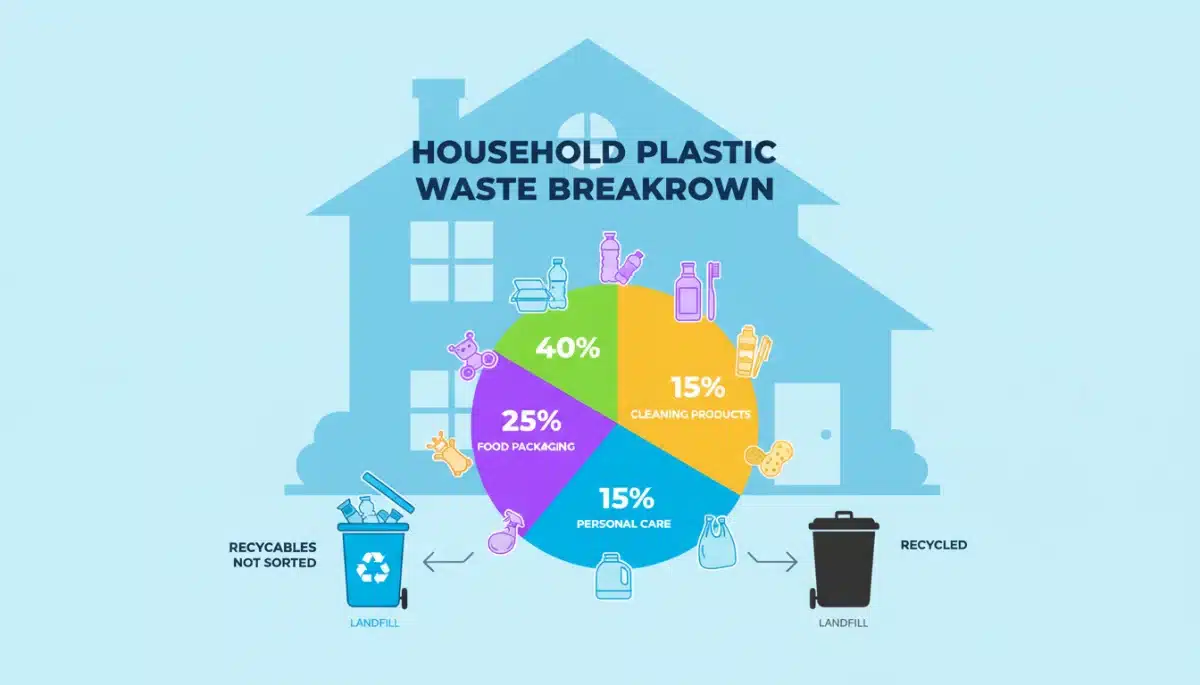
Single-use plastics dominate household waste streams, from food packaging to personal care products. These items are designed for convenience but contribute disproportionately to environmental pollution and landfill accumulation.
Recent studies indicate that food packaging alone accounts for a substantial portion of plastic waste generated by US households.
Addressing this category offers one of the most impactful opportunities for reducing your plastic footprint and achieving significant reductions.
- Identify common single-use items: plastic bags, disposable cutlery, water bottles, coffee cups.
- Track frequency of use: note how often these items enter your home.
- Quantify waste: estimate the volume or weight of single-use plastics discarded weekly.
The Role of Non-Recyclable Plastics
Not all plastics are created equal, especially when it comes to recycling capabilities. Many plastic items, due to their composition or contamination, are not accepted by municipal recycling programs, exacerbating the waste problem.
Flexible plastics, such as plastic films, pouches, and some food wrappers, often fall into this non-recyclable category, despite common misconceptions. Diverting these items from the waste stream is crucial for effectively reducing your plastic footprint.
Understanding local recycling guidelines and identifying common non-recylable plastics is essential for informed decision-making. This knowledge empowers households to make better purchasing choices and seek alternative solutions.
Data-Driven Strategies for Reduction: Phase 1 (Immediate Impact)
Immediate and tangible reductions in plastic use can be achieved through a few targeted, data-driven strategies. These initial steps are designed for ease of implementation and provide quick wins, building momentum for further efforts.
Focusing on high-volume plastic items offers the fastest path to a 20% annual reduction. Simple swaps and conscious consumption choices can yield significant results within the first year of implementation.
These strategies are not only environmentally beneficial but often lead to direct financial savings, making the transition to a lower plastic lifestyle both practical and economically sensible.
Eliminating Single-Use Shopping Bags
Plastic shopping bags are a ubiquitous source of waste, with billions used annually in the US. Switching to reusable bags is one of the simplest yet most impactful changes a household can make to reduce plastic footprint.
Many states and cities have already implemented bans or fees on single-use plastic bags, reflecting a growing recognition of their environmental cost. Adopting reusable alternatives aligns with these progressive policies and reduces household waste.
- Purchase durable, washable reusable bags.
- Keep bags readily accessible (e.g., in car, near door, in purse).
- Remind family members to use them for all shopping trips.
Opting for Reusable Water Bottles and Coffee Cups
Disposable plastic water bottles and coffee cups contribute heavily to landfill waste. Investing in high-quality reusable alternatives offers a straightforward solution to significantly reduce plastic footprint in daily routines.
The financial savings from avoiding bottled water and daily coffee cup purchases can quickly offset the initial cost of reusable containers. This habit change provides both environmental and economic benefits.
Many establishments now offer discounts for customers who bring their own reusable cups, further incentivizing this sustainable practice. Making this switch is a clear step towards reducing your plastic footprint effectively.
Data-Driven Strategies for Reduction: Phase 2 (Intermediate Impact)
Building on initial successes, intermediate strategies target more ingrained consumption patterns and require a slightly greater shift in purchasing habits. These steps are crucial for sustaining the 20% annual reduction goal.
This phase focuses on making conscious choices in the grocery store and kitchen, areas where plastic often silently infiltrates our daily lives. Data indicates that these changes can lead to substantial long-term gains in reducing plastic footprint.
Embracing these strategies involves seeking out alternative packaging, preparing more meals at home, and exploring bulk buying options. The collective impact of these actions is significant.
Reducing Plastic in Food Packaging
Food packaging is a major contributor to household plastic waste. Conscious purchasing decisions at the grocery store can dramatically reduce plastic footprint associated with food consumption.
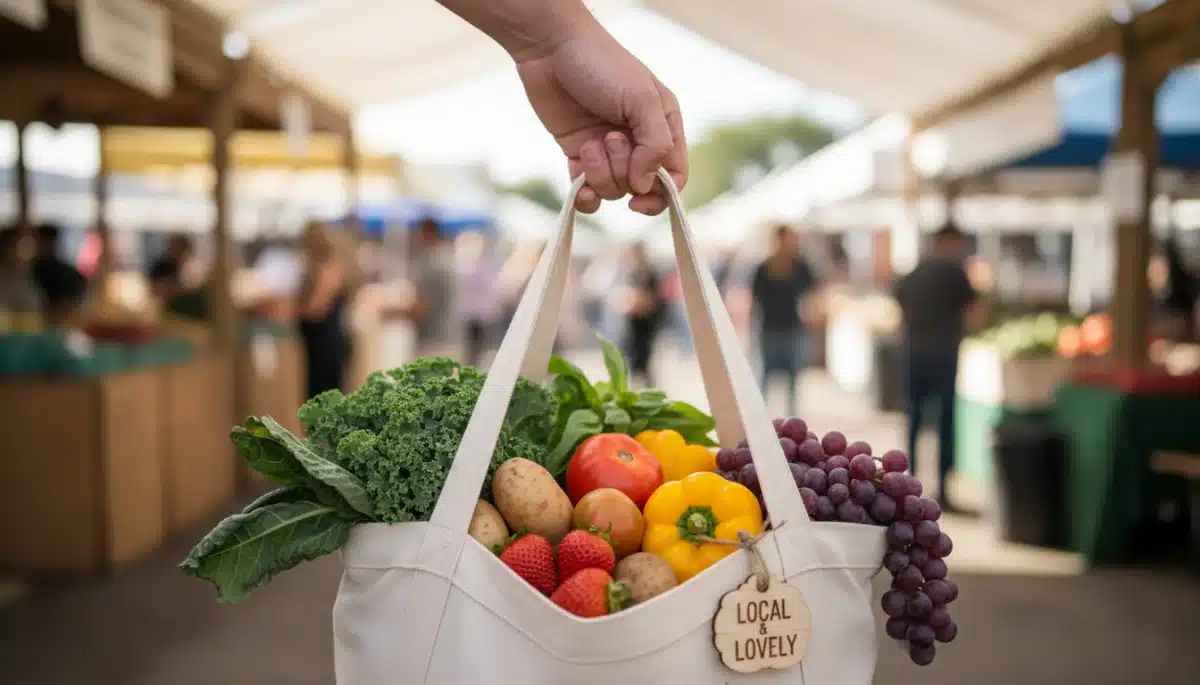
Look for produce sold loose or in minimal packaging, and prioritize items in glass, metal, or cardboard containers. Engaging with local farmers’ markets often provides opportunities for plastic-free shopping.
Planning meals and buying ingredients in bulk, where available, can also minimize packaging waste. These steps are vital for reducing your plastic footprint in the kitchen.
Embracing Reusable Food Storage
Replacing single-use plastic wraps, bags, and containers with reusable alternatives is a key strategy for reducing your plastic footprint. Glass containers, silicone bags, and beeswax wraps offer durable and sustainable options.
While there’s an initial investment, these reusable items last significantly longer, leading to financial savings over time. They also eliminate the constant need to repurchase disposable storage solutions.
This simple switch not only cuts down on plastic waste but also promotes a more organized and aesthetically pleasing kitchen environment. It’s a practical and effective way to reduce plastic footprint.
Financial Impact of Reducing Plastic Footprint
The journey to reduce plastic footprint is not just an environmental imperative; it also presents significant financial benefits for the average US household. Many strategies, while requiring an initial outlay, yield substantial long-term savings.
By shifting away from single-use items, households can eliminate recurring expenses on disposable products. This deliberate change in consumption habits directly impacts the monthly budget in a positive way.
Data consistently shows that investing in reusable alternatives and making conscious choices can lead to hundreds of dollars in savings annually, reinforcing the practicality of reducing your plastic footprint.
Savings from Reusable Products
The continuous purchase of disposable items like plastic water bottles, coffee cups, and food storage bags adds up significantly over time. Reusable alternatives, though initially more expensive, quickly pay for themselves.
Consider the cost of a daily bottled water habit versus a one-time purchase of a durable water bottle. The financial advantage of reusables is clear, directly contributing to reducing your plastic footprint and saving money.
- Reusable water bottles: eliminate daily bottled water costs ($1-$2 per bottle).
- Reusable coffee cups: avoid premium for disposable cups, sometimes receive discounts.
- Reusable food storage: replace constant purchases of plastic wrap, foil, and Ziploc bags.
Cost-Effective Bulk and DIY Solutions
Buying in bulk often means less packaging and lower unit costs, leading to significant savings. This approach, combined with DIY solutions for common household products, further enhances financial benefits while reducing plastic footprint.
Making your own cleaning supplies, for example, can drastically cut down on plastic bottle waste and chemical expenses. Recipes for homemade detergents or all-purpose cleaners are readily available and simple to follow.
These methods not only save money but also give consumers greater control over ingredients, avoiding harsh chemicals. It’s a smart way to achieve the goal of reducing your plastic footprint.
Leveraging Technology and Community for Reduction
Technology and community engagement play crucial roles in amplifying individual efforts to reduce plastic footprint. Digital tools, local initiatives, and supportive networks can empower households to make more informed decisions and sustain their commitment.
Mobile applications designed for sustainable living can help track plastic consumption, identify plastic-free alternatives, and locate recycling facilities. These resources streamline the process of adopting eco-friendly habits.
Participating in community clean-up events or joining local plastic-free groups fosters a sense of collective responsibility and provides valuable shared knowledge. This collaborative approach enhances the overall impact of reducing your plastic footprint.
Apps and Digital Resources for Plastic-Free Living
A growing number of apps and online platforms offer practical guidance for reducing plastic footprint. These tools can help users identify products with minimal packaging, find zero-waste stores, and even track their environmental impact.
Information on local recycling programs, including what types of plastics are accepted, is often available through municipal apps or websites. Staying informed is a powerful step towards effective waste management.
- Zero-waste store locators: find nearby businesses offering bulk goods.
- Recycling locators: identify specific drop-off points for hard-to-recycle plastics.
- Impact calculators: visualize the positive effect of reducing your plastic footprint.
Community Initiatives and Support Networks
Local communities are increasingly organizing initiatives aimed at reducing plastic waste. Engaging with these groups provides support, resources, and a platform for shared learning among individuals committed to reducing plastic footprint.
From community composting programs to plastic-free challenges, these initiatives foster a collective effort toward environmental stewardship. They offer practical workshops and opportunities to connect with like-minded neighbors.
Participating in such networks can provide motivation and practical tips that might not be easily discovered individually, significantly aiding the goal of reducing your plastic footprint.
Overcoming Challenges and Sustaining Momentum
Achieving a 20% annual reduction in plastic footprint is an ambitious goal that comes with its own set of challenges. Consistency, convenience, and cost can be stumbling blocks, but with foresight and planning, these can be effectively managed.
The convenience of single-use plastics is a deeply ingrained habit for many, requiring a conscious and sustained effort to break. However, the long-term benefits for both the environment and personal finances far outweigh the initial discomfort of change.
Maintaining momentum requires celebrating small victories, continuously seeking new solutions, and remembering the overarching goal of reducing your plastic footprint for a healthier planet and a more sustainable future.
Addressing Convenience and Cost Barriers
The perception that plastic-free alternatives are always more expensive or less convenient is a common barrier. While some specialized products might carry a higher price tag, many everyday swaps are cost-neutral or even lead to savings.
Planning ahead, such as bringing reusable containers for takeout or remembering reusable shopping bags, mitigates the convenience factor. These small adjustments become second nature over time, making reducing your plastic footprint easier.
Researching and comparing options can reveal affordable and practical plastic-free choices that fit within any budget and lifestyle, demonstrating that reducing your plastic footprint doesn’t have to be a financial burden.
Long-Term Commitment and Continuous Improvement
Sustaining a 20% annual reduction in plastic footprint requires a long-term commitment and a willingness to continuously seek improvements. The plastic landscape is always evolving, with new products and alternatives emerging regularly.
Regularly reassessing household consumption habits and staying informed about new sustainable innovations are key to maintaining progress. This iterative approach ensures that efforts remain effective and impactful.
The journey to reduce plastic footprint is ongoing, and every small step contributes to a larger, positive environmental shift. Continuous learning and adaptation are essential for lasting success in this endeavor.
| Key Strategy | Brief Description |
|---|---|
| Waste Audit | Identify primary sources of household plastic waste for targeted action. |
| Reusable Swaps | Replace single-use items like bags, bottles, and coffee cups. |
| Smart Shopping | Choose plastic-free packaging, buy bulk, and support local markets. |
| Financial Savings | Eliminate recurring costs of disposables, invest in durable reusables. |
Frequently Asked Questions About Plastic Reduction
Start with a simple waste audit for a week to establish a baseline. Categorize and weigh plastic waste. Repeat this process quarterly and compare results to measure progress. Apps designed for sustainable living can also assist in tracking and visualizing your efforts to reduce plastic footprint.
Focus on eliminating single-use items like plastic shopping bags, water bottles, and coffee cups. These are high-volume waste generators, and switching to reusable alternatives provides immediate and significant reductions. This is often the easiest and most cost-effective way to begin reducing your plastic footprint.
Yes, absolutely. While some reusable items require an initial investment, they eliminate the recurring cost of disposable products. Over time, the savings from not buying bottled water, plastic bags, or single-use food containers can add up significantly, contributing to financial well-being while reducing your plastic footprint.
Look for products packaged in glass, metal, or cardboard. Explore local zero-waste stores or bulk sections at grocery stores. Online resources and dedicated apps can also help identify sustainable brands and plastic-free options for personal care, cleaning, and food items, helping to reduce your plastic footprint.
Local communities often organize clean-up events, offer recycling education, and support zero-waste businesses. Engaging with these initiatives provides valuable resources, fosters a sense of collective action, and offers practical tips for reducing your plastic footprint effectively within your local area.
Looking Ahead
The commitment to Plastic Footprint represents a critical shift towards sustainable living. The strategies outlined here are not merely environmental gestures but pragmatic steps with tangible financial benefits for US households.
As 2026 approaches, the continued adoption of these data-driven approaches will be crucial for meeting reduction targets and fostering broader environmental responsibility. Monitoring policy developments and technological innovations will further enhance these efforts.
The collective impact of individual household actions, guided by practical solutions and a keen awareness of financial implications, will pave the way for a significantly less plastic-dependent future. This ongoing effort to reduce plastic footprint is a testament to evolving consumer consciousness.