Reduce Kitchen Food Waste 30% by 2026: Insider Strategies
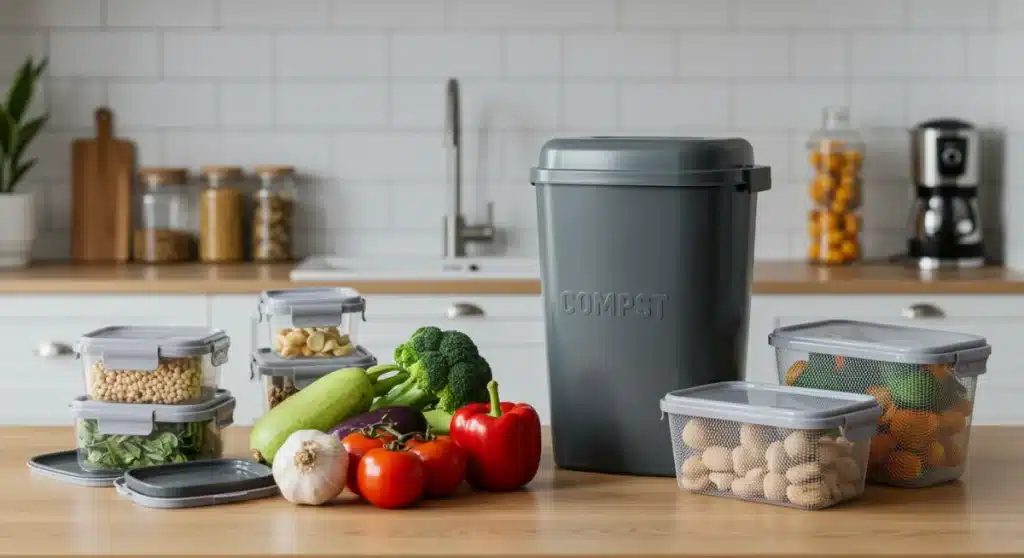
Achieving a 30% reduction in kitchen food waste by 2026 is an ambitious yet attainable goal, requiring a blend of innovative strategies, mindful consumption, and efficient food management practices.
Embarking on a journey to significantly reduce kitchen food waste isn’t just about saving money; it’s a powerful step towards a more sustainable lifestyle and healthier eating habits. This article delves into insider strategies for reducing food waste by 30% in your kitchen by 2026, offering practical solutions that go beyond the obvious, empowering you to make a tangible difference in your home and for the planet.
Understanding the Food Waste Challenge
Food waste is a pervasive global issue with profound environmental, economic, and social implications. In the United States alone, an estimated 30-40% of the food supply is wasted, a staggering statistic that highlights the urgency of implementing effective reduction strategies at every level, particularly within our own kitchens.
This waste contributes significantly to greenhouse gas emissions, squanders valuable resources like water and energy used in food production, and represents a massive financial drain for households. By acknowledging the scale of this challenge, we can better appreciate the importance of even small, consistent efforts in our daily routines.
The Environmental Impact of Wasted Food
When food ends up in landfills, it decomposes anaerobically, producing methane, a potent greenhouse gas far more damaging than carbon dioxide. The resources embedded in that food—water, land, labor, and transportation—are also wasted, exacerbating environmental strain. Addressing food waste directly impacts climate change mitigation.
- Methane emissions from landfills contribute to global warming.
- Water and energy used in food production are squandered.
- Land degradation due to unnecessary agricultural expansion.
- Biodiversity loss from habitat destruction for farming.
Beyond the immediate environmental concerns, food waste also has ethical dimensions. With millions facing food insecurity globally, discarding edible food is a stark reminder of resource misallocation. Reducing waste in our kitchens is a personal act of responsibility, contributing to broader goals of sustainability and equitable resource distribution.
Mastering Meal Planning and Smart Shopping
The foundation of any successful food waste reduction strategy begins long before food enters your kitchen: it starts with meticulous meal planning and informed grocery shopping. These two practices are intrinsically linked, forming a powerful defense against impulsive purchases and forgotten ingredients.
Effective meal planning involves more than just deciding what to eat; it’s about strategizing how to use every ingredient efficiently. By planning meals for the week, you can create a precise shopping list, minimizing excess and ensuring that everything you buy has a purpose. This proactive approach prevents the common scenario of fresh produce wilting in the fridge because it wasn’t incorporated into a meal.
Creating a Weekly Meal Plan
A well-structured meal plan considers not only what you’ll cook but also how leftovers can be repurposed and how ingredients can be shared across multiple dishes. This level of foresight drastically cuts down on the likelihood of food going bad before it’s used.
- Assess current pantry and fridge inventory before planning.
- Plan meals that utilize similar ingredients to avoid buying duplicates.
- Include a ‘leftover night’ or ‘clean out the fridge’ meal each week.
- Consider portion sizes to prevent cooking too much food.
When you head to the grocery store with a clear list derived from your meal plan, you’re less susceptible to marketing tricks and impulse buys. Stick to your list, and only purchase what you know you’ll use. This disciplined approach not only reduces potential waste but also saves money, reinforcing positive habits.
Innovative Food Storage Solutions
Even with the best meal planning, food storage plays a critical role in extending the life of your ingredients and preventing spoilage. Many foods are discarded prematurely due to improper storage, leading to unnecessary waste. Adopting innovative and effective storage techniques can significantly contribute to reducing kitchen food waste.
Understanding the specific needs of different food types is key. For instance, some fruits produce ethylene gas, which can ripen and spoil other produce faster. Storing these separately can make a big difference. Similarly, understanding optimal humidity and temperature levels for various items can prevent premature wilting or mold growth.
Optimizing Your Refrigerator and Pantry
Your refrigerator and pantry aren’t just places to store food; they’re environments that can be optimized for longevity. The ‘first in, first out’ (FIFO) method is crucial here, ensuring older items are used before newer ones. Clear containers and proper labeling also help you keep track of what you have and when it needs to be consumed.
- Store ethylene-producing fruits (apples, bananas) away from sensitive produce (broccoli, leafy greens).
- Use airtight containers for opened packages to maintain freshness.
- Keep herbs fresh by treating them like flowers—stems in water, covered loosely.
- Organize your pantry so older items are at the front, visible and accessible.
Beyond traditional storage, consider modern solutions like vacuum sealers, which dramatically extend the shelf life of many foods by removing oxygen. Investing in quality reusable storage containers not only reduces plastic waste but also provides a better seal, keeping food fresher for longer. These small changes collectively create a significant impact on your overall food waste reduction efforts.
Creative Cooking and Repurposing Leftovers
One of the most enjoyable and effective ways to reduce kitchen food waste is to embrace creative cooking and become adept at repurposing leftovers. Instead of viewing leftovers as a chore, see them as an opportunity to innovate and enjoy delicious new meals, transforming ingredients that might otherwise be discarded.
Many food scraps that often get thrown away, such as vegetable peels, herb stems, and cheese rinds, can be transformed into flavorful broths, infused oils, or crispy garnishes. This ‘nose-to-tail’ approach to produce not only minimizes waste but also extracts maximum flavor and nutrients from your ingredients, adding depth to your cooking.
Transforming Food Scraps into Culinary Delights
Thinking creatively about what constitutes ‘waste’ can unlock a world of culinary possibilities. For example, broccoli stems can be peeled and roasted, carrot tops can become pesto, and stale bread can be turned into croutons or breadcrumbs. These small acts of transformation accumulate into significant waste reduction.
- Use vegetable scraps to make homemade stock or broth.
- Blend overripe fruits into smoothies or bake them into muffins.
- Repurpose leftover cooked grains into salads or stir-fries.
- Freeze herb stems and vegetable trimmings for future stock.
Leftovers don’t have to be boring reheated versions of the original meal. With a little imagination, they can become entirely new dishes. Leftover roasted chicken can be shredded for tacos or sandwiches, while extra pasta can be baked into a frittata. By diversifying how you use leftovers, you ensure they are consumed and enjoyed, rather than forgotten in the back of the fridge.
The Power of Freezing and Fermentation
Freezing and fermentation are ancient preservation techniques that remain incredibly powerful tools in the modern kitchen for combating food waste. These methods allow you to extend the usability of ingredients far beyond their fresh shelf life, ensuring that seasonal gluts or surplus purchases don’t end up in the trash.
Freezing is particularly versatile. Almost anything can be frozen, from fresh produce and cooked meals to baked goods and even dairy products. The key is proper preparation—blanching vegetables, portioning meals, and using airtight freezer-safe containers to prevent freezer burn and maintain quality.
Extending Food Life Through Preservation
Fermentation, while perhaps more intimidating to some, offers not only preservation but also enhances flavor and nutritional value. Techniques like pickling, making sauerkraut, or brewing kombucha transform ingredients, creating new culinary experiences while preventing spoilage.
- Blanch vegetables before freezing to retain color and nutrients.
- Freeze individual portions of cooked meals for quick, waste-free lunches.
- Learn basic fermentation techniques for vegetables like cabbage or cucumbers.
- Store homemade fermented foods in sterilized jars in a cool, dark place.
Think about how you can utilize your freezer more effectively. When you see produce on sale, buy in bulk and freeze what you won’t use immediately. Cook large batches of staples like beans or grains and freeze them in usable portions. For fermentation, start with simple recipes and gradually expand your repertoire. These methods empower you to control your food supply and drastically reduce the amount of food that spoils.
Composting and Food Waste Audits
Even with the most diligent efforts, some food waste is inevitable—think of banana peels, coffee grounds, or unavoidable scraps. This is where composting becomes an invaluable part of a comprehensive food waste reduction strategy, diverting organic material from landfills and enriching your garden.
Composting transforms these organic materials into nutrient-rich soil amendment, closing the loop on your food system. It reduces your household’s contribution to landfill waste and provides a sustainable way to nourish your plants, making it a win-win for both your home and the environment.
Conducting a Regular Food Waste Audit
To truly understand and tackle your food waste, a regular food waste audit is essential. This involves consciously tracking what food items are being thrown away, why they are being discarded, and how frequently. An audit provides concrete data, revealing patterns and highlighting areas where your efforts need to be focused.
- Keep a small bin specifically for food waste over a week or two.
- Note down what’s being thrown away and the reason (e.g., spoiled, uneaten leftovers).
- Analyze the audit results to identify recurring waste patterns.
- Use insights from the audit to adjust meal planning, shopping, and storage habits.
Composting can be done in various ways, from traditional outdoor piles to indoor vermicomposting (worm composting) or even using local community composting programs. Choose the method that best suits your living situation. By combining an active composting practice with regular food waste audits, you gain a powerful feedback loop that continuously refines your approach to reducing kitchen food waste, helping you reach that 30% reduction goal by 2026.
| Key Strategy | Brief Description |
|---|---|
| Smart Meal Planning | Plan meals weekly to create precise shopping lists, minimizing excess purchases and ensuring all ingredients are utilized. |
| Optimized Storage | Implement ‘first in, first out’ and use appropriate containers to extend food freshness and prevent premature spoilage. |
| Creative Repurposing | Transform leftovers and food scraps into new dishes or ingredients, maximizing their use and reducing discards. |
| Composting & Audits | Divert unavoidable organic waste to compost and regularly track discarded food to identify and address waste patterns. |
Frequently Asked Questions About Reducing Food Waste
Start by planning your meals for the week and making a precise grocery list. Also, commit to using up leftovers within a day or two. These initial steps create immediate awareness and significantly cut down on impulse purchases and forgotten items.
Proper storage is key. Store ethylene-producing fruits separately, use airtight containers for leafy greens, and keep herbs in water. Understanding each item’s ideal environment will dramatically extend its freshness and prevent premature spoilage.
Absolutely. Freezing cooked meals in individual portions is highly effective. It allows you to preserve surplus food, have ready-to-eat options, and ensures that large batches don’t go to waste. Always use freezer-safe containers to avoid freezer burn.
Don’t throw them away! Vegetable scraps are perfect for making homemade stock or broth, adding depth to soups and stews. You can also roast certain peels for snacks or blend them into sauces, maximizing their nutritional and flavor potential.
Initially, conduct an audit every week for a month to establish baseline patterns. After that, a monthly or bi-monthly audit is sufficient to monitor progress and identify new areas for improvement, helping you stay on track with your reduction goals.
Conclusion
Achieving a 30% reduction in kitchen food waste by 2026 is a significant, yet entirely attainable, objective for any household committed to sustainability and efficiency. By integrating smart meal planning, optimizing food storage, embracing creative repurposing of ingredients, and utilizing powerful preservation techniques like freezing and fermentation, you can transform your kitchen into a bastion of mindful consumption. Coupled with regular food waste audits and responsible composting, these insider strategies not only reduce your environmental footprint and save money but also foster a deeper appreciation for the food you consume. The journey to less waste is a continuous one, but with these practical solutions, your kitchen can lead the way towards a more sustainable future.