Plant-Based vs. Mediterranean Diets: Health Comparison 2026
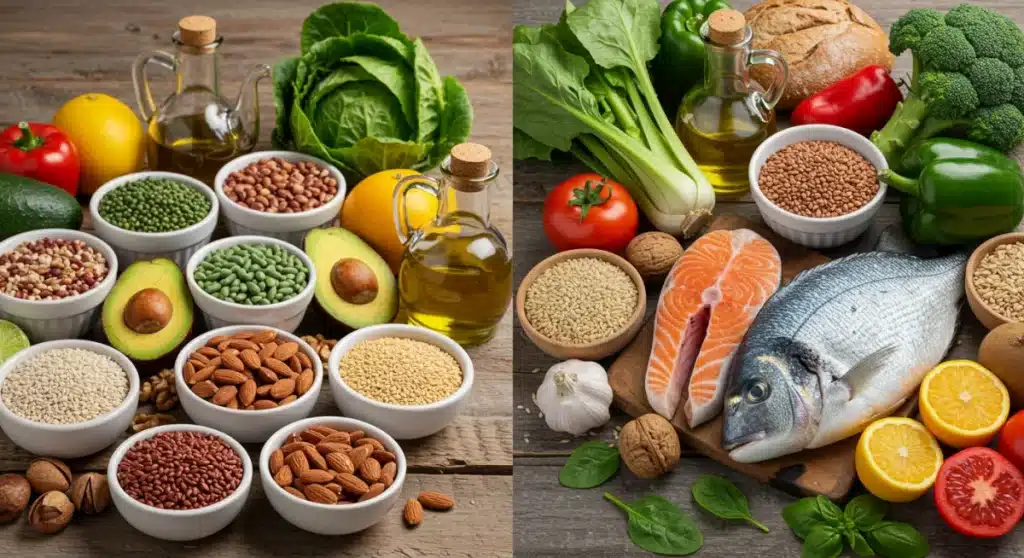
Comparing plant-based and Mediterranean diets in 2026 reveals both offer significant long-term health benefits, though their approaches to food groups and nutrient intake differ, influencing individual suitability.
In the evolving landscape of nutritional science, understanding the long-term impacts of various eating patterns is paramount. Today, we delve into a data-backed comparison of plant-based Mediterranean diets, dissecting their unique benefits and implications for your health in 2026 and beyond. Which path aligns best with your wellness goals?
understanding the plant-based diet philosophy
The plant-based diet, often celebrated for its ethical and environmental implications, centers around foods derived from plants. This dietary approach emphasizes fruits, vegetables, grains, legumes, nuts, and seeds, while minimizing or entirely excluding animal products. It’s a spectrum, ranging from flexitarian to vegan, each with distinct guidelines but a shared core principle of prioritizing plant foods.
Adopting a plant-based diet is more than just choosing what to eat; it’s a lifestyle that can profoundly impact health markers. Research consistently points to reduced risks of chronic diseases, improved weight management, and enhanced overall well-being. The abundance of fiber, vitamins, and antioxidants in plant foods is believed to be a key driver of these benefits.
core components of plant-based eating
Understanding the foundational elements is crucial for anyone considering this dietary shift. It’s not just about what you cut out, but what you incorporate generously.
- Fruits and vegetables: These form the bulk of the diet, providing essential vitamins, minerals, and fiber. Aim for a wide variety of colors to ensure a broad spectrum of nutrients.
- Whole grains: Foods like oats, brown rice, quinoa, and whole wheat bread are excellent sources of complex carbohydrates and fiber, contributing to sustained energy and digestive health.
- Legumes: Beans, lentils, chickpeas, and peas are vital for protein, fiber, and various micronutrients, especially important for those avoiding animal proteins.
- Nuts and seeds: Almonds, walnuts, chia seeds, and flax seeds offer healthy fats, protein, and fiber, contributing to satiety and heart health.
The plant-based approach encourages mindful eating and often leads to a deeper connection with food sources. It requires careful planning to ensure adequate intake of certain nutrients like vitamin B12, iron, and omega-3 fatty acids, which are more readily available in animal products. Fortified foods and supplements can bridge these gaps effectively.
In essence, a plant-based diet is a versatile and adaptable framework that can be tailored to individual preferences and health needs. Its emphasis on whole, unprocessed foods makes it a powerful contender in the quest for long-term health, as supported by a growing body of scientific evidence.
exploring the mediterranean diet principles
The Mediterranean diet, rooted in the traditional eating patterns of countries bordering the Mediterranean Sea, is renowned globally for its health benefits. It’s not merely a diet but a lifestyle, incorporating physical activity, social meals, and a relaxed approach to eating. This pattern emphasizes whole, unprocessed foods, with a distinct culinary heritage.
This diet is more than just a list of foods; it’s a cultural practice that has demonstrated significant positive impacts on cardiovascular health, cognitive function, and longevity. The emphasis on healthy fats, lean proteins, and abundant plant foods creates a synergistic effect that promotes overall well-being.
key characteristics of mediterranean cuisine
The Mediterranean diet is characterized by several pillars that distinguish it from other eating patterns. It’s a colorful and flavorful way of eating that prioritizes fresh ingredients.
- Olive oil: The primary source of fat, extra virgin olive oil is rich in monounsaturated fatty acids and antioxidants, crucial for heart health. It’s used for cooking, dressings, and dips.
- Fruits and vegetables: Consumed in abundance, these provide a wide array of vitamins, minerals, fiber, and protective plant compounds. Seasonal and local produce is often preferred.
- Whole grains and legumes: Integral to the diet, these offer complex carbohydrates, fiber, and plant-based protein. Bread, pasta, and beans are staples.
- Fish and seafood: Consumed regularly, offering omega-3 fatty acids. Red meat is eaten sparingly, usually a few times a month.
Dairy products and poultry are included in moderation, while sweets and processed foods are reserved for special occasions. Red wine, in moderation, is also a traditional component, though its inclusion is optional and dependent on individual health and preferences. The Mediterranean diet promotes a holistic approach to health, focusing on nutrient-dense foods and a balanced lifestyle. Its enduring popularity is a testament to its effectiveness and deliciousness.
nutritional breakdown: macro and micronutrients
When comparing plant-based and Mediterranean diets, a close look at their nutritional profiles reveals both similarities and crucial differences. Both prioritize whole foods, but their emphasis on certain food groups leads to varying macro and micronutrient compositions, which can impact long-term health outcomes.
A well-planned plant-based diet is typically rich in fiber, vitamins C and E, magnesium, and potassium. It tends to be lower in saturated fat and cholesterol, which are often found in animal products. However, careful attention is needed to ensure adequate intake of vitamin B12, iron, calcium, vitamin D, iodine, and omega-3 fatty acids, which can be less available or less bioavailable in plant foods. Fortified foods, supplements, and diverse food choices are essential to meet these needs.
mediterranean diet’s nutrient advantages
The Mediterranean diet, by contrast, naturally provides a broader spectrum of nutrients due to its inclusion of fish, some dairy, and modest amounts of lean meat. This diversity can simplify nutrient planning.
- Omega-3 fatty acids: Abundant in fatty fish, crucial for heart and brain health.
- Vitamin B12: Readily available from animal products, essential for nerve function and red blood cell formation.
- Iron and zinc: While present in plants, the heme iron from meat in the Mediterranean diet is more easily absorbed.
- Calcium and vitamin D: Dairy products contribute significantly to these, important for bone health.
Both diets excel in providing complex carbohydrates from whole grains and an array of plant-based proteins from legumes and nuts. The plant-based diet often has a higher fiber content due to its exclusive reliance on plant foods. The Mediterranean diet’s reliance on olive oil ensures a steady intake of monounsaturated fats, beneficial for cardiovascular health. Understanding these distinctions is key to making an informed dietary choice that aligns with individual health goals and nutritional requirements.
cardiovascular health: a data-backed perspective
The impact of diet on cardiovascular health is a critical area of research, and both plant-based and Mediterranean diets have garnered significant attention for their protective effects. Data consistently shows that adopting either of these eating patterns can lead to a reduced risk of heart disease, stroke, and high blood pressure, making them powerful tools in preventative medicine.
Plant-based diets, characterized by their low saturated fat and cholesterol content, and high fiber and antioxidant levels, are associated with improved lipid profiles, lower blood pressure, and reduced inflammation. These factors collectively contribute to healthier arteries and a lower burden on the heart. Studies often highlight significant reductions in LDL (bad) cholesterol and overall cardiovascular mortality among those adhering to plant-centric eating.
mediterranean diet’s heart-protective mechanisms
The Mediterranean diet, with its emphasis on olive oil, fish, and abundant plant foods, also offers robust cardiovascular benefits. Its unique combination of nutrients and dietary patterns works synergistically to protect the heart.
- Monounsaturated fats: From olive oil, these fats improve cholesterol levels and reduce inflammation.
- Omega-3 fatty acids: From fish, these are vital for reducing triglycerides, blood pressure, and the risk of arrhythmias.
- Antioxidants and fiber: From fruits, vegetables, and whole grains, these combat oxidative stress and improve vascular function.
Research, including large cohort studies and meta-analyses, frequently demonstrates that individuals following a Mediterranean diet have a significantly lower incidence of heart attacks, strokes, and other cardiovascular events. The moderate inclusion of red wine may also play a role through its antioxidant content, though this is often balanced with the understanding of alcohol’s broader health implications. Both diets offer compelling evidence for their role in promoting a healthy heart, albeit through slightly different mechanisms and food compositions. The choice often comes down to individual preference and specific health considerations.
weight management and metabolic health
Effective weight management and optimal metabolic health are central to long-term well-being, and dietary choices play a pivotal role in achieving these goals. Both plant-based and Mediterranean diets have demonstrated significant potential in supporting healthy weight and improving metabolic markers, offering sustainable paths away from the challenges of obesity and related conditions like type 2 diabetes.
Plant-based diets, by their nature, are often lower in caloric density and higher in fiber. This combination promotes satiety, helping individuals feel fuller for longer and naturally consume fewer calories. The emphasis on whole, unprocessed foods also means a lower intake of refined sugars and unhealthy fats, which are often contributors to weight gain and insulin resistance. Studies frequently show that individuals on plant-based diets tend to have a lower body mass index (BMI) and reduced risk of developing type 2 diabetes, largely due to improved insulin sensitivity and better blood sugar control.
mediterranean diet’s metabolic advantages
The Mediterranean diet also offers compelling benefits for weight management and metabolic health, albeit with a slightly different nutritional emphasis. Its focus on healthy fats and whole foods contributes to satiety and stable blood sugar levels.
- Healthy fats (olive oil): While calorie-dense, these fats promote satiety and can help regulate appetite, preventing overeating.
- Whole grains and legumes: Provide complex carbohydrates and fiber, leading to a slower release of glucose into the bloodstream, thus preventing blood sugar spikes.
- Lean protein: From fish and poultry, contributes to muscle maintenance and satiety, which are crucial for a healthy metabolism.
The consistent consumption of nutrient-dense foods, coupled with a lifestyle that often includes regular physical activity, makes the Mediterranean diet highly effective for preventing and managing metabolic syndrome. Research indicates improved insulin sensitivity, reduced inflammation, and better glucose control among adherents. Both dietary patterns offer robust strategies for maintaining a healthy weight and optimizing metabolic function, highlighting the power of whole, unprocessed foods in promoting overall health. The specific approach chosen can depend on individual dietary preferences and existing health conditions.
long-term health and disease prevention in 2026
Looking ahead to 2026 and beyond, the long-term health implications of our dietary choices become increasingly critical. Both plant-based and Mediterranean diets stand out as leading contenders for promoting longevity and preventing a wide array of chronic diseases. Their comprehensive benefits extend far beyond direct nutritional intake, influencing cellular health, inflammation, and even genetic expression.
Plant-based diets are consistently linked to a lower incidence of various cancers, largely attributed to their high intake of antioxidants, phytochemicals, and fiber, which protect cells from damage and support healthy gut microbiota. The reduced intake of processed meats and other animal products, often associated with increased cancer risk, also plays a significant role. Furthermore, their anti-inflammatory properties contribute to the prevention of autoimmune diseases and other inflammatory conditions, fostering a robust and resilient body over the long haul. The sustained adoption of a plant-based lifestyle is seen as a powerful preventative measure against the most prevalent diseases of our time.
mediterranean diet’s holistic disease protection
The Mediterranean diet offers a holistic approach to disease prevention, supported by decades of research. Its synergistic combination of foods addresses multiple pathways to health and longevity.
- Anti-inflammatory compounds: From olive oil, fruits, vegetables, and nuts, these reduce systemic inflammation, a key driver of chronic diseases.
- Antioxidant rich: Protects cells from oxidative stress, thereby reducing the risk of cancer and neurodegenerative diseases.
- Gut microbiome support: High fiber from diverse plant foods promotes a healthy gut, which is increasingly recognized for its role in immunity and overall health.
- Cognitive benefits: The diet’s emphasis on healthy fats and antioxidants is associated with a lower risk of cognitive decline and neurodegenerative conditions like Alzheimer’s disease.
Both dietary patterns offer compelling evidence for their role in promoting long-term health and disease prevention. While the plant-based diet often emphasizes a more restrictive approach to animal products, the Mediterranean diet provides a balanced inclusion of certain animal foods while retaining a strong plant-centric foundation. The choice between them often comes down to individual health goals, ethical considerations, and cultural preferences, but both offer a clear path toward a healthier future in 2026 and beyond.
choosing your path: personalizing dietary decisions
Deciding between a plant-based and a Mediterranean diet is not a one-size-fits-all decision. Both offer profound benefits for long-term health, but the optimal choice often hinges on individual preferences, ethical considerations, health goals, and lifestyle. Understanding these personal factors is crucial for adopting a sustainable and enjoyable eating pattern that you can maintain for years to come.
For some, the ethical and environmental motivations behind a plant-based diet are paramount. The commitment to animal welfare and reduced ecological footprint often drives the decision to fully embrace veganism or vegetarianism. This path requires a proactive approach to nutrient planning, ensuring all essential vitamins and minerals are obtained through diverse plant sources, fortified foods, or supplements. Those who enjoy culinary experimentation and are willing to explore new plant-based ingredients often thrive on this diet.
factors influencing your dietary choice
Several key considerations can guide your decision toward the most suitable dietary approach for your personal circumstances.
- Health objectives: Are you primarily focused on cardiovascular health, weight management, or managing a specific condition? Both diets address these, but one might align better with your specific needs.
- Dietary preferences: Do you enjoy fish and occasional dairy, or do you prefer to avoid all animal products? Your taste preferences are vital for long-term adherence.
- Lifestyle and convenience: Consider how easily you can access the necessary ingredients and prepare meals that fit your chosen diet within your daily routine.
- Cultural background: Your cultural heritage might naturally lean towards one pattern over the other, making it easier to integrate into your life.
The Mediterranean diet, with its flexibility regarding fish, some dairy, and occasional lean meats, might feel more accessible for those who are not ready to completely eliminate animal products. It’s often praised for its delicious and satisfying meals, making it an enjoyable choice for many. Ultimately, the most effective diet is one that is sustainable, enjoyable, and provides all the necessary nutrients for your body. Consulting with a healthcare professional or a registered dietitian can provide personalized guidance, helping you navigate the nuances of each diet and make an informed decision for your long-term health in 2026.
| Key Aspect | Brief Comparison |
|---|---|
| Food Focus | Plant-based: Exclusively plants; Mediterranean: Plants + fish/dairy/lean meat. |
| Cardiovascular Health | Both significantly reduce heart disease risk through different mechanisms. |
| Nutrient Considerations | Plant-based needs B12/Omega-3 planning; Mediterranean offers broader natural range. |
| Sustainability | Plant-based generally has lower environmental impact; Mediterranean also sustainable. |
frequently asked questions about plant-based and mediterranean diets
No, neither diet is inherently superior. Both plant-based and Mediterranean diets are extensively backed by data demonstrating significant long-term health benefits, including reduced risk of chronic diseases. The ‘healthier’ choice often depends on individual needs, preferences, and ability to adhere to the plan sustainably.
Yes, a well-planned plant-based diet requires attention to certain nutrients. Key areas to monitor include vitamin B12, iron, calcium, vitamin D, iodine, and omega-3 fatty acids. These can be obtained through fortified foods, diverse plant sources, and, if necessary, supplementation to ensure optimal health.
Absolutely. The core principles of the Mediterranean diet are already heavily plant-centric, focusing on fruits, vegetables, whole grains, and legumes. You can easily adapt it by further reducing or eliminating red meat, poultry, and dairy, while increasing plant-based protein sources like beans and nuts, making it a ‘Mediterranean-vegan’ approach.
Both diets are effective for weight management and improving metabolic health. Plant-based diets are often lower in calorie density and high in fiber, promoting satiety. The Mediterranean diet, rich in healthy fats and whole foods, also supports stable blood sugar and satiety. Success largely depends on adherence and overall calorie intake.
Olive oil is a cornerstone of the Mediterranean diet, providing healthy monounsaturated fatty acids and powerful antioxidants. These components are crucial for improving cholesterol levels, reducing inflammation, and protecting against cardiovascular disease, making it a central contributor to the diet’s celebrated health benefits.
conclusion
In the dynamic world of nutrition, both plant-based and Mediterranean diets stand as formidable pillars for promoting long-term health and preventing chronic diseases. Our data-backed comparison for 2026 reveals that while their approaches differ – one emphasizing exclusively plant-derived foods and the other a broader, yet still plant-centric, inclusion of fish and some animal products – both offer significant benefits for cardiovascular health, weight management, and overall well-being. The ultimate choice between these two powerful dietary patterns hinges on individual preferences, ethical considerations, specific health goals, and the ability to maintain sustainable adherence. Regardless of the path chosen, prioritizing whole, unprocessed foods remains the fundamental key to unlocking a healthier future.